This page contains affiliate links. If you buy through them, LiT may earn a small commission at no extra cost to you. Read our disclosure.
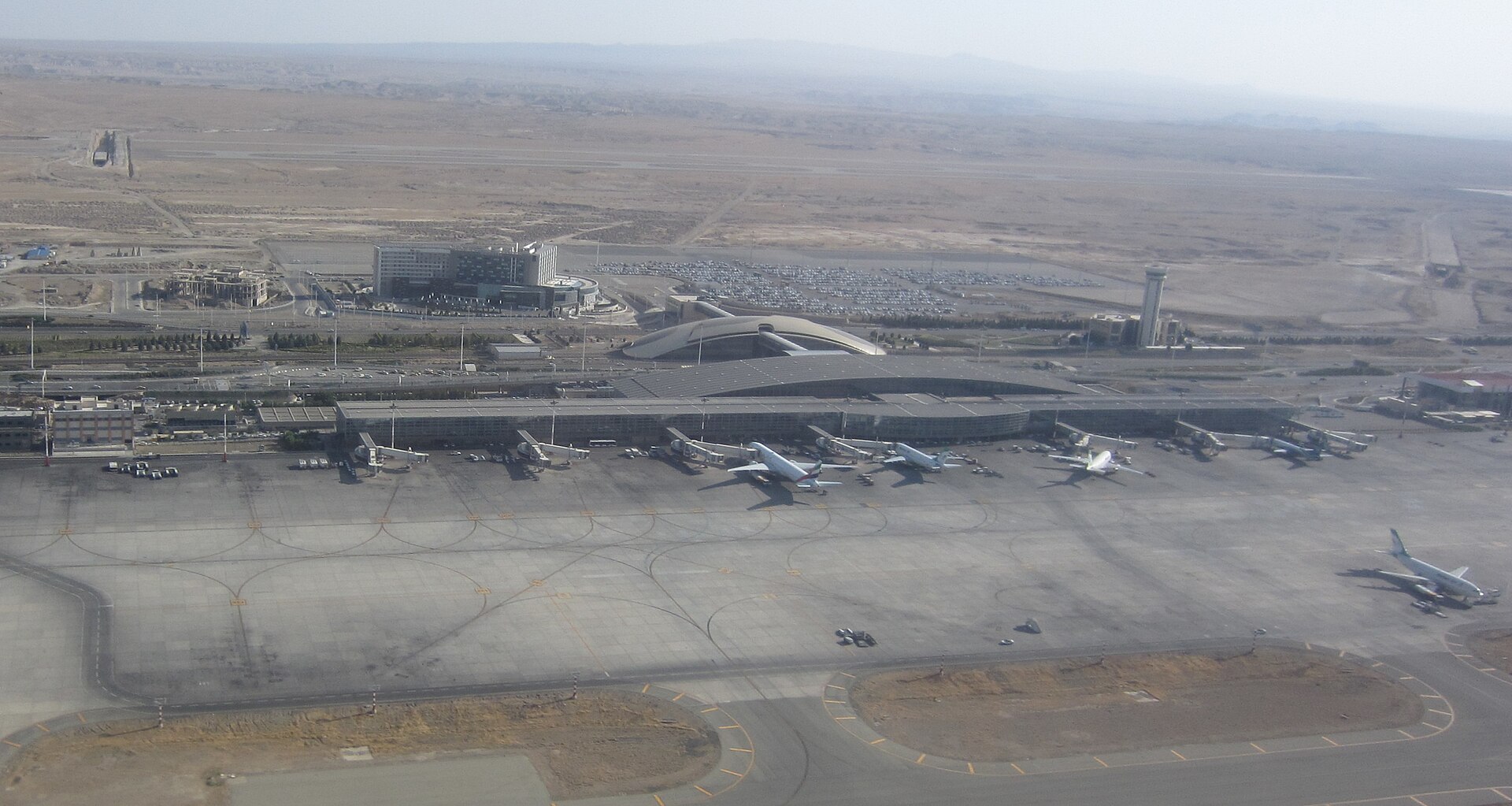
A travel eSIM is the simplest way to get online when you land at Imam Khomeini Airport. Instead of queueing for a local SIM card, handing over your passport and registering your phone, you buy a data plan online before you fly, scan a QR code at home and switch it on when you arrive. Only a handful of international eSIM companies sell plans that cover Iran, and the situation has changed a lot during 2026, so this guide sets out who covers the country, which network each one uses and what an eSIM can and cannot do for you here.
In this guide
First, the honest caveat. An eSIM is not a way round Iran’s internet restrictions. Travel eSIMs connect to the same three Iranian mobile networks as local SIM cards, MCI (Hamrah-e Aval), Irancell and Rightel, so when the authorities shut down or throttle mobile data, your eSIM goes down with everyone else’s. Iran was cut off from the global internet for long stretches of 2026, first after the protests in January and then during the war that began at the end of February. NetBlocks recorded a partial restoration on 26 May after 88 days, the longest nationwide shutdown it has measured, and mobile data returned more slowly than home broadband. Outages have continued since, including a large MCI mobile data cut across most provinces on 3 November. Check the current situation, and your own government’s travel advice, before you buy anything.
Holafly. Holafly sells a single-country Iran eSIM that runs on the Irancell network. Its Iran plans are sold by the day rather than by the gigabyte, with prices starting at around $28 for three days, and it is the easiest choice if you don’t want to think about how much data you are using. Like all the plans here it is data only, with no Iranian phone number. See Holafly’s Iran eSIM.
Airalo. Airalo, the biggest name in travel eSIMs, has sold an Iran eSIM called Mehr Mobile on the MCI network, sold in small 1GB bundles that you top up as you go, and also includes Iran in its Menalink regional plan for the Middle East and North Africa. Availability has come and gone with the shutdowns, so check the app for Iran before you rely on it. Check Airalo for Iran.
Saily. Saily, made by the company behind NordVPN, is often ranked among the best-value options for Iran in comparison sites. Its app is simple and plans are sold by data allowance and number of days. Check Saily for Iran.
Ubigi. Ubigi does not sell an Iran-only plan, but Iran is included in several of its regional and worldwide plans, which reportedly use the Rightel network. That makes it worth a look if Iran is one stop on a longer trip through the region or you want a plan that keeps working when you fly on. See Ubigi’s regional plans.
GigSky and Roamify. GigSky sells short Iran plans from 1GB for seven days, and Roamify offers Iran plans on MCI, sold by data and validity. Both are good back-ups if your first choice has paused its Iran plans.
Which network to choose. In Tehran and the big cities all three networks are usable. MCI is the largest operator and is widely regarded as the most reliable outside the cities, Irancell is strong in urban areas, and Rightel is the smallest of the three. If you are heading into the mountains, to villages or on long road trips, an MCI-based plan is usually the safer bet. Our guide to Iran’s mobile networks compares them in more detail.
Things to know before you buy. Your phone must be unlocked and eSIM-compatible; dial *#06# and if you see an EID number, it is. Install the eSIM at home on Wi-Fi, but leave the plan switched off until you land, and turn on data roaming for the eSIM line only. All the plans above are data only, so calls and messages go through apps, many of which are blocked in Iran. A VPN is therefore the other essential, and it needs to be installed and tested before you arrive, because VPN websites and app stores are hard to reach from inside the country.
eSIM or local SIM? For a short trip, an eSIM saves time and paperwork. For a long stay, a local MCI or Irancell SIM is far cheaper per gigabyte and gives you an Iranian number, which you need for banking apps, ride-hailing apps such as Snapp and most online shopping. A foreign phone used with a local SIM for more than a short period has to be registered; see our guides to the Hamta phone registration app and using your own phone in Iran. Many long-stay visitors use both: an eSIM to get online on arrival, then a local SIM once they are settled.