Halloween is not an Iranian holiday. There is no day off and no school dress-up day. There is no long-standing custom of children going door to door for sweets. And yet, in some parts of Tehran in late October, you will see it. Costumes come out at night, cafes dress up with pumpkins and ghosts, and bakeries sell themed cakes. Shops display masks and costumes in the window. This is one night looked at from different sides: what shows up on the street, what businesses do. What the ban means in practice, and how that picture compares with the region around Iran.
What you see on the street
Over the past decades, Halloween has quietly become more visible in Iran. You notice it first in small ways. A pumpkin appears in a cafe window. A costume display stands in a shop in late October. Friends pass a party invitation around. Films and social media have done much of the carrying.
View this post on Instagram
Young people in the cities picked it up as something fun and a little different. It was not as a tradition handed down at home, and the season has grown from there. It is still a new arrival rather than a settled custom. And it looks different from the Halloween many people know from the United States or Britain. There is no neighbourhood round of trick-or-treating, and no family ritual behind it. What there is, is a growing appetite for dressing up, decorating, and marking the night as an occasion.
It is mostly a big-city thing, and even in Tehran it is not visible across the whole city. You see it in some parts of the city. Streets at night, cafes, shops, and bakeries in late October all show it. Some people hold parties at home or with friends. Costumes, decorated rooms, and themed food mark the night. They treat it as a fun event rather than a serious occasion.
امسال عزیزترین ادمای زندگیمو مجبور کردم گریم کنن، لباس بپوشن و بیان پیشم که core memory بسازم ^___^
— shim (@darkmedic0) October 30, 2026
What businesses do
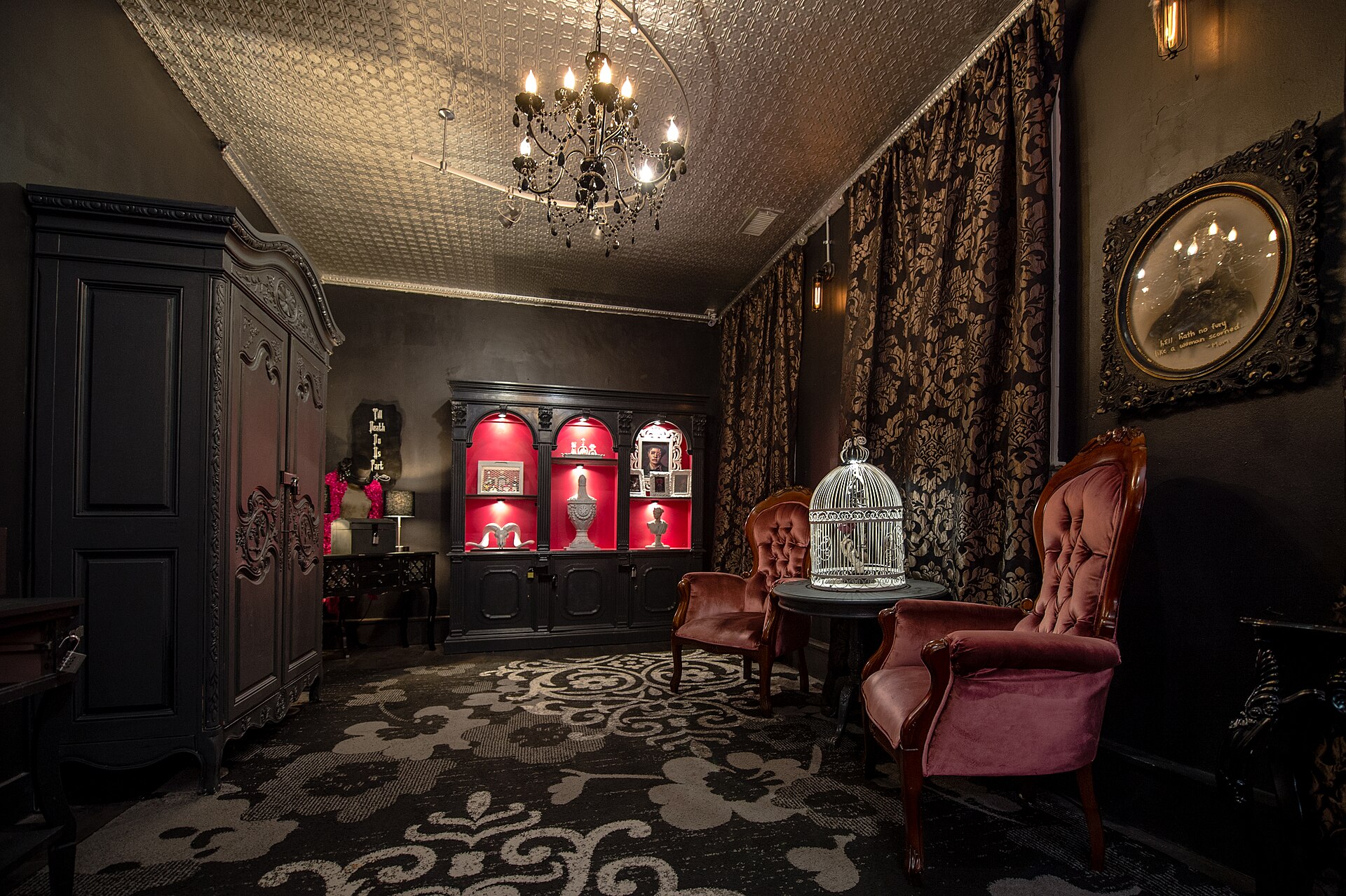
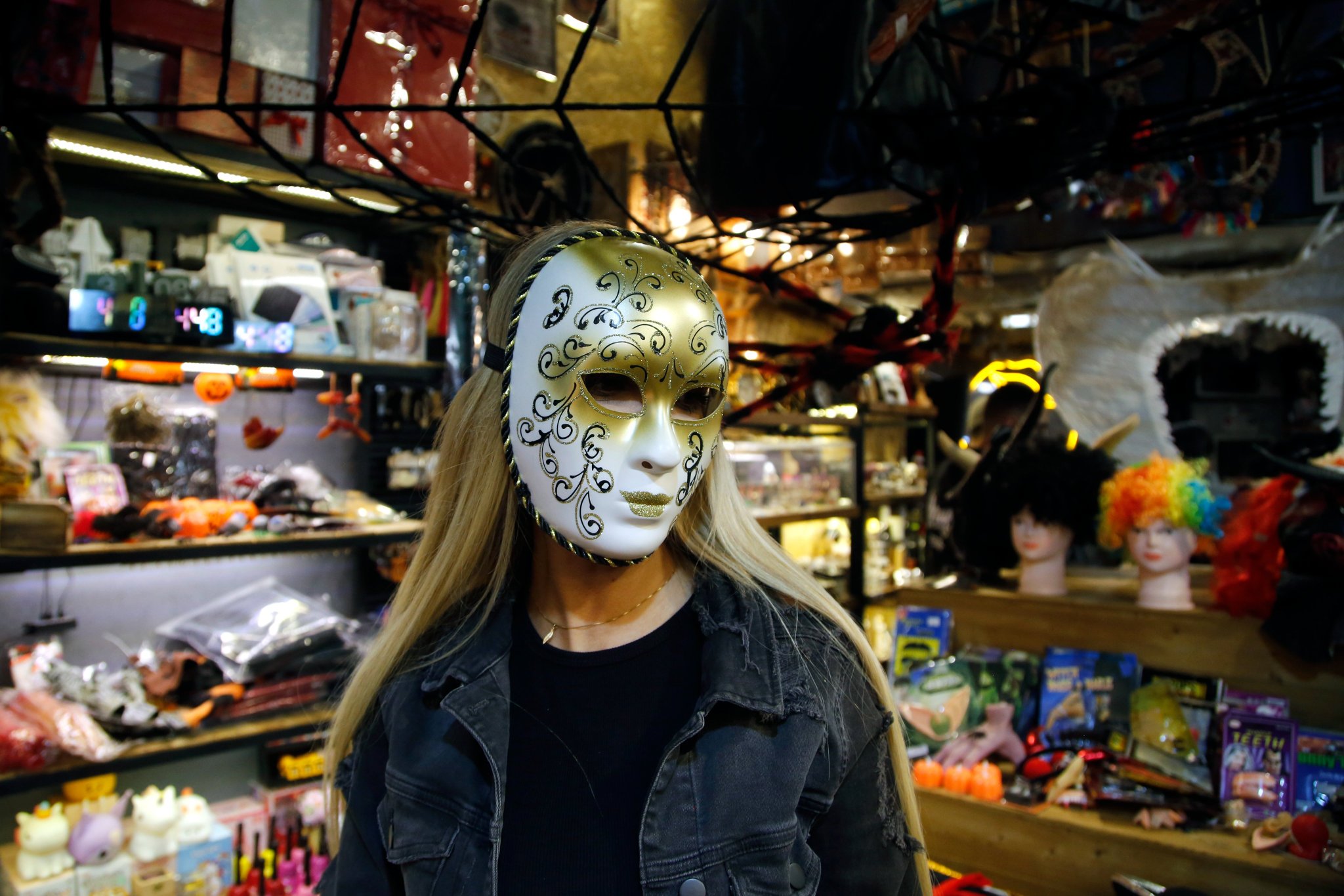
Businesses have joined in too. Cafes put up pumpkins, ghosts, and cobwebs. Bakeries make themed cakes and cookies. Shops stock costumes, masks, and make-up, and events and escape rooms build a night around the theme. For many people, that is the point of it: a bit of dressing up. A bit of decoration, and an excuse to get together.
What the ban means in practice
Halloween is not officially recognized in Iran. It is not a public holiday, it is not on the school calendar. And it is not part of the country’s own festival year. The position is stronger than discouragement alone: Halloween is banned. That is what shapes the season in daily life. Shops and cafes have at times been told to keep displays and themed goods out of sight. And parties are kept private rather than public.
هالووین امسال ۱۰/۱۰
— داوود دِ گاد لاور (@valareza_meschi) October 30, 2026
Over the years, the ban has been enforced again and again. Decorations have been ordered down and Halloween goods have been kept off the shelves. And many businesses have in fact been closed or fined for joining in. Yet the celebrations have kept growing year after year. They grow at home, at parties, and in the cafes and shops that take part.
That is the mixed picture: something that is banned in official life. It is at the same time widely enjoyed in private and in business life. Neither side of that picture tells the whole story on its own.
ایرانشهر 😂
— Teegra (@Teeegra) October 30, 2026
How Iran compares with its neighbours
Iran is not the only country in the region where Western events and festivals have become more popular. In Saudi Arabia, large public costume events have become part of the entertainment calendar. In the United Arab Emirates, Halloween and Christmas sit openly on the seasonal calendar, in malls, hotels, and restaurants. Turkey and Egypt, too, Western festivals have become more visible in the big cities. They are especially visible among young people and in the shops and cafes that serve them. The details differ from place to place, and so does the official welcome. But the pattern is a shared one. Festivals that started elsewhere find a new audience in the cities of the region.
Related articles
For more on how Western seasonal celebrations are marked in Iran, see: