Updated November 2026 We have updated Iran’s Olympic medal tally to include the Paris 2024 Games and removed old opening times that could not be confirmed.
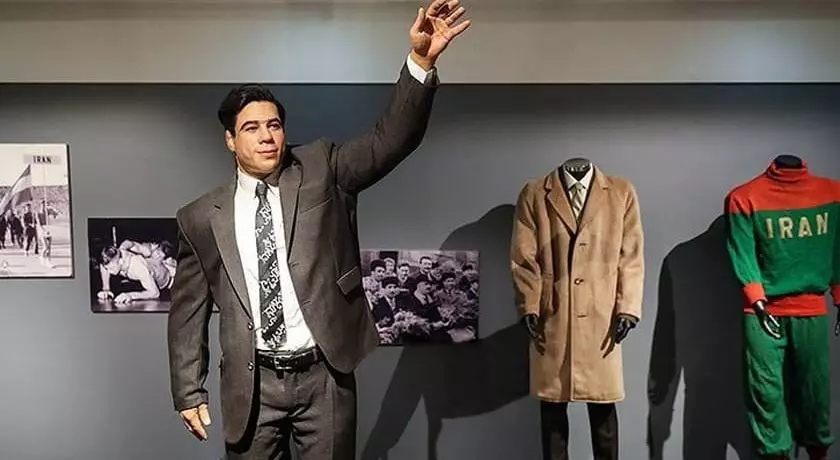
The National Sports Museum in Tehran, officially the National Museum of Sports, Olympics and Paralympics, tells the story of Iranian sport from ancient traditions such as polo and the zurkhaneh to the country’s Olympic and Paralympic champions. It sits inside the Enghelab Sport Complex in north Tehran, on the site of the former National Olympic Committee headquarters, and makes a good hour or two for sports fans, families and anyone curious about the athletes Iranians admire most.
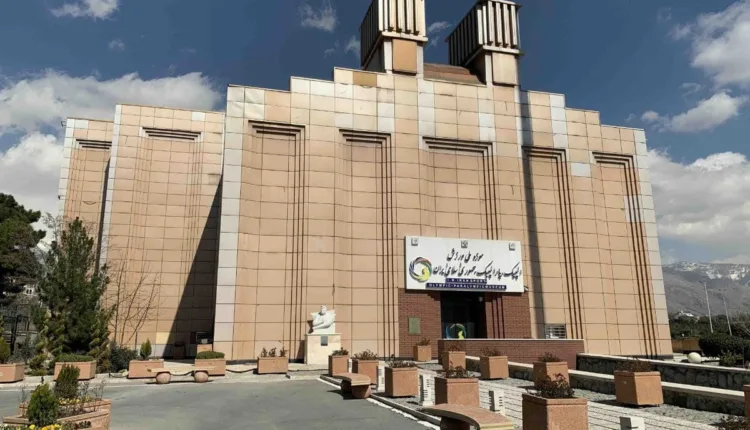
The museum opened in February 2019. According to Good News Agency, it covers about 2,500 square metres over three storeys, and much of the collection was donated by athletes and veterans of Iranian sport: medals, trophies, kit, equipment and photographs. Its stated aim is to preserve that heritage and encourage young Iranians to take up sport.
What is on each floor
A December 2024 visit report from the Sport Sciences Research Institute describes the layout:
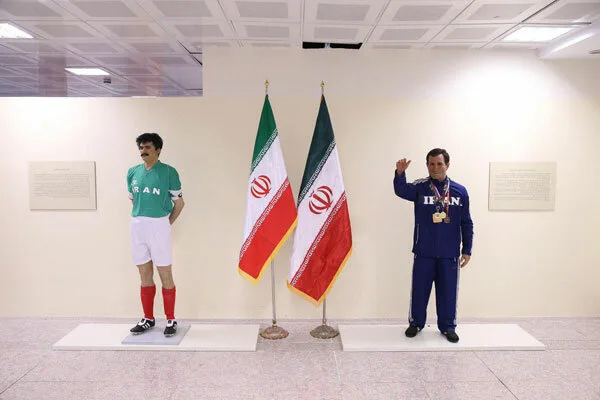
- Ground floor: the Iranian Sports Legends hall, honouring the athletes who shaped the country’s sporting identity.
- First floor: Olympic and Paralympic disciplines, the ancient and modern Games, Olympic symbols and a chronology of every Games.
- Second floor: traditional and modern Iranian sports, chivalry and heroism, women in sport, champions’ trophies and medals, sports media, and equestrian sport and polo.
Iran’s Olympic story
Much of the museum revolves around the Olympics, so a little background helps. Iran first sent an athlete to the Games in Paris in 1900, a lone fencer, but its first medal came in 1948 in London, when Jafar Salmasi took bronze in weightlifting. The first gold medals followed at Melbourne in 1956, won by the freestyle wrestlers Emam-Ali Habibi and Gholamreza Takhti. Takhti in particular remains a national hero, admired as much for his sportsmanship as his wins, and his story features prominently.
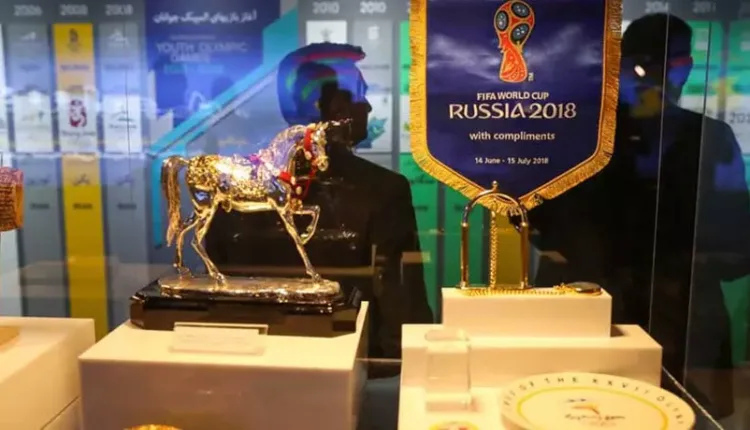
After Paris 2024, Iran’s Summer Olympic total stands at 88 medals: 27 gold, 29 silver and 32 bronze, according to Wikipedia’s record of Iran at the Olympics. Wrestling dominates with 55 medals, followed by weightlifting with 20 and taekwondo with 10, while shooting, karate and athletics have one each. The Paralympic displays are just as strong, reflecting Iran’s success in sports such as powerlifting, sitting volleyball and athletics.
Visiting tips
The museum has kept office-style hours, open in the mornings and early afternoon and closed on Fridays, and entry has been free, but check before you go as arrangements change. Labels are mostly in Persian, though photographs and medals speak for themselves. School groups visit regularly, so weekday mornings can be lively.
The Enghelab Sport Complex, formerly the Imperial Country Club, is a large walled site in north Tehran near the Niayesh and Hashemi Rafsanjani highways, with the museum reached from Seoul Street on its western side. Public transport does not stop right outside, so a taxi or ride-hailing app is the easiest option; ask for the Muzeh-ye Melli-ye Varzesh at Majmu’eh-ye Enghelab and the driver will take you to the right gate. Once inside, staff at the entrance can point you to the museum building.
For more places to explore, see our Tehran museums section.