Updated November 2026 We have corrected the station’s construction date, added when it became a museum and included the latest visitor details.
The Darvazeh Dowlat Gas Station Museum is a restored 1930s petrol station on Enghelab Street in central Tehran, right beside Darvazeh Dowlat metro station. Built by the Anglo-Iranian Oil Company and now run as one of the oil industry’s museums, it tells the story of how fuel, cars and petrol pumps arrived in Iran. It is small, quirky and quick to see, so it fits easily into a walk around the city centre.

Motor cars reached Iran at the start of the 20th century, when Mozaffar ad-Din Shah brought one back from Europe, and for years they remained a royal novelty. As more vehicles appeared on Tehran’s streets in the 1920s and 1930s, the city needed somewhere to fuel them, and the first filling stations went up in the capital. Several were designed with Iranian architectural touches rather than as plain sheds, but this is the only one known to keep its original structure.

The station was built in the late 1930s by the Anglo-Iranian Oil Company, the British-owned firm that later became BP, and operated as fuel station number 6, distributing petrol and kerosene. The company had dominated Iran’s oil industry since the first big discovery in the south-west in 1908, and its relationship with the Iranian state was difficult for decades, ending with the nationalisation of the oil industry in 1951. The station kept working long after that, was eventually taken out of service and was added to the national heritage list in 2014.

It reopened as a museum in July 2019, run under the Ministry of Petroleum’s directorate of oil industry museums. Inside, a handful of compact rooms trace the history of the Darvazeh Dowlat district and of the station itself through photographs, documents, maps and short films. One section covers the years of fuel rationing and coupon books, with samples of the different fuels once sold, from kerosene and diesel to regular and super petrol. Another takes the pumps apart, showing how each component of the dispensers worked, from the earliest models to more recent ones.


Outside, the forecourt has vintage pumps and a few classic cars, which make for good photographs. Labels are mainly in Persian, but the objects speak for themselves. It is a particular favourite with anyone interested in old cars, industrial heritage or mid-century design.
The museum is at the junction of Enghelab Street and Saadi Street, on the corner of Fiat Street. Listings give opening hours of roughly 9am to 5pm, closed on Mondays, but times can change on holidays, so check the petroleum museums’ website, petromuseum.ir, or Google Maps before you go. Entry is inexpensive; our Iran price trackers give a sense of current costs. Allow 30 to 60 minutes.
Visiting the Darvazeh Dowlat Gas Station Museum: at a glance
- Opening hours: Saturday to Sunday: 9:00 to 17:00; Monday: closed; Tuesday to Friday: 9:00 to 17:00
- Time needed: 1 to 2 hours
- Phone: +98 21 66340519, +98 21 66340812
- Address in Persian (show this to your driver): تهران، خیابان انقلاب، مترو دروازه دولت، ابتدای خیابان سعدی شمالی، نبش کوچه فیات
- Open the Darvazeh Dowlat Gas Station Museum in Google Maps
Hours can change on public holidays and during Ramadan, so check before you set out.
The Darvazeh Dowlat Gas Station Museum in pictures
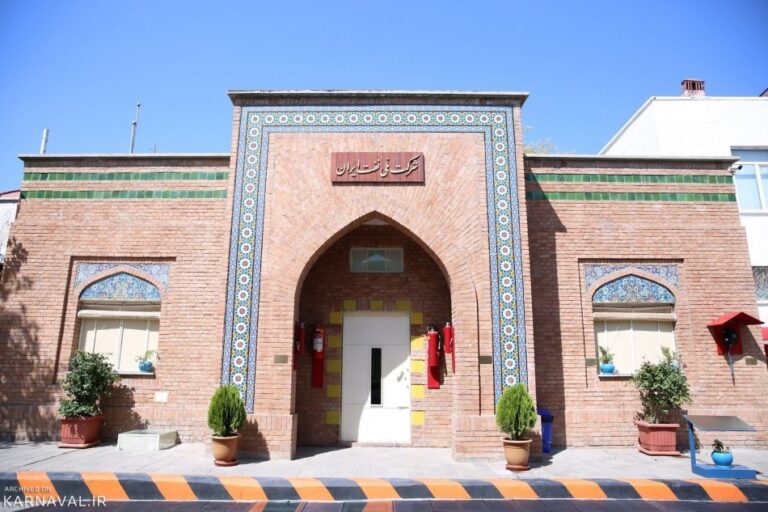
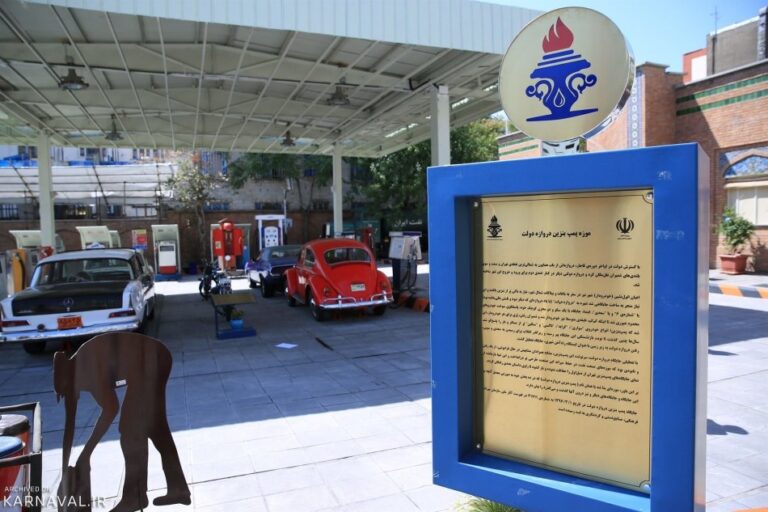
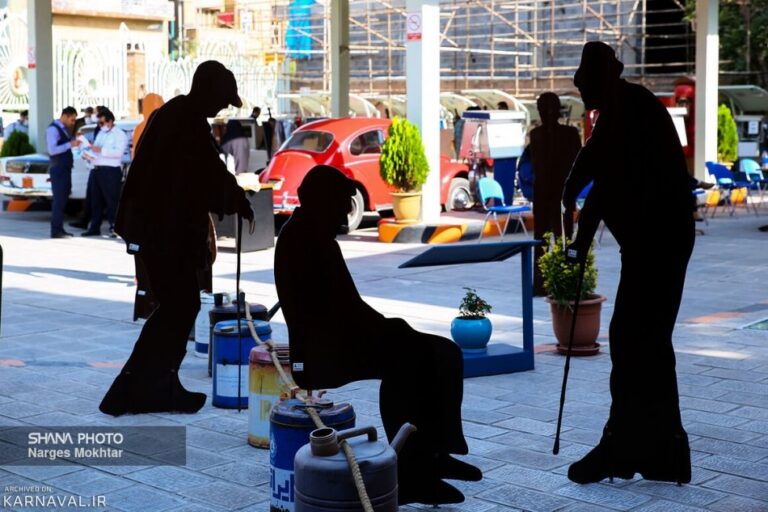
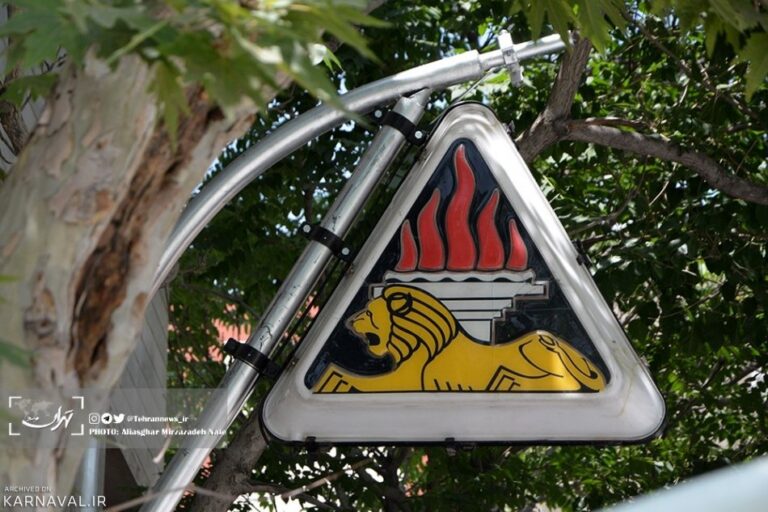
The easiest way to get there is the Tehran metro: Darvazeh Dowlat station, an interchange on Lines 1 and 4, is a few steps away. Driving and parking in this part of town are hard work. If you have more time, there is a surprising number of museums in Tehran within easy reach of the city centre.