Updated November 2026 The house museum remains open to visitors; we have added visiting hours, corrected key dates in Simin Daneshvar’s life and expanded the visitor tips.
The Simin and Jalal House Museum is the modest two-storey home in Dezashib, just east of Tajrish in north Tehran, where two of Iran’s best-known 20th-century writers, the novelist Simin Daneshvar and the essayist and story writer Jalal Al-e Ahmad, lived and worked. Opened to the public in 2018, it is a quiet, personal museum that rewards anyone interested in modern Persian literature or in how Tehran’s educated middle class lived half a century ago.
The house
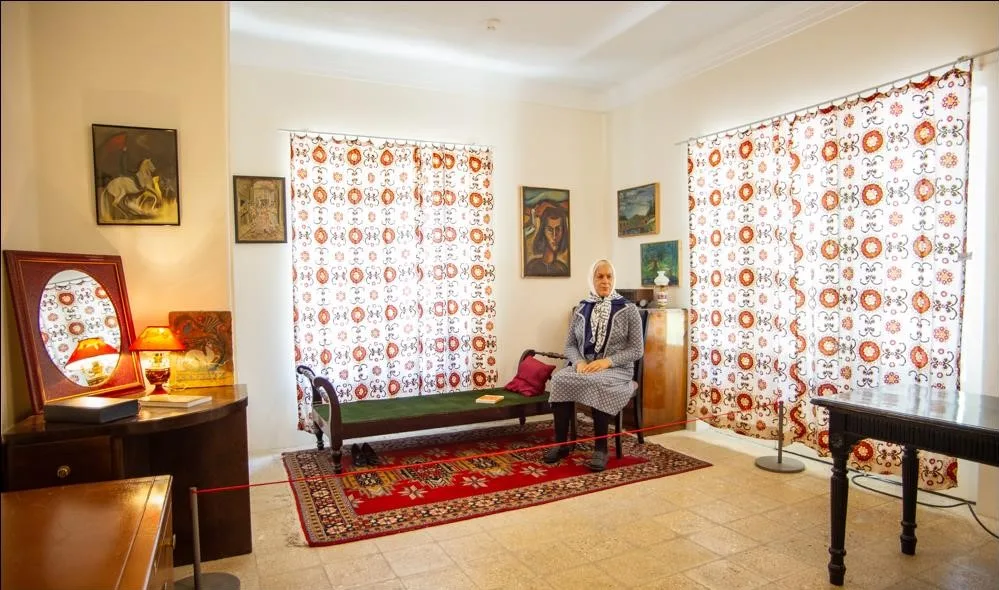
Al-e Ahmad bought the plot while Daneshvar was studying in the United States and designed the house himself in a simple, contemporary style, paying for it with his earnings from writing. After his death in 1969, Daneshvar lived on here until the end of her life. The building has been kept largely as they left it, with only minor changes, and it is the last house of its kind left in the neighbourhood.
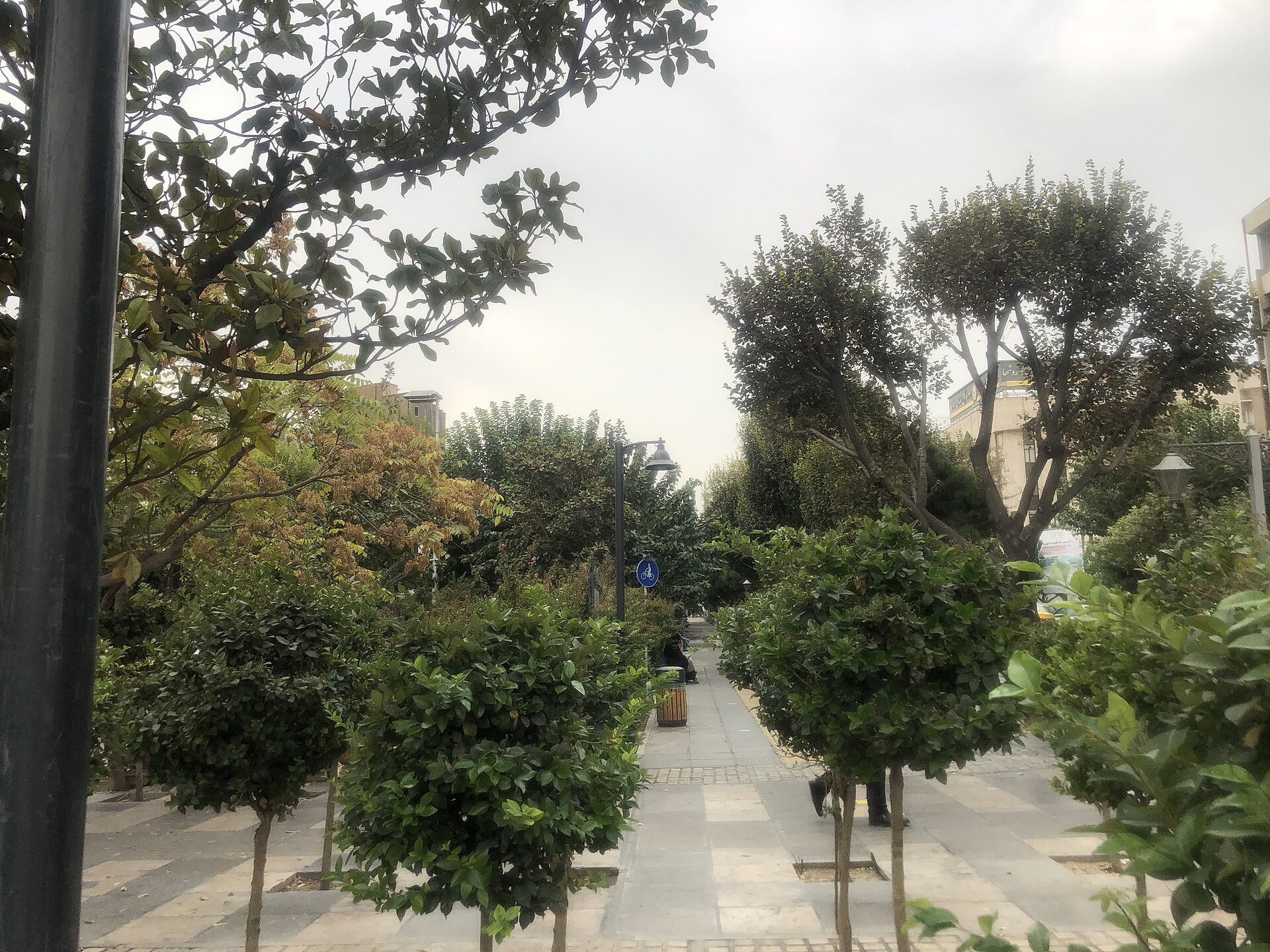
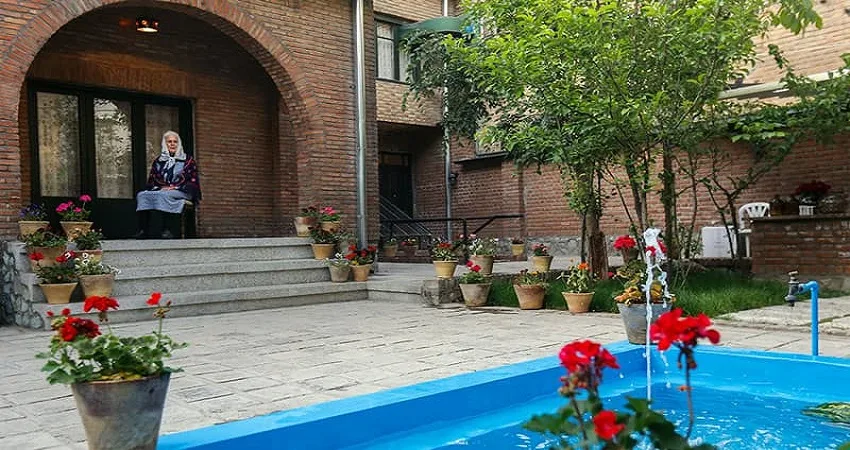
Inside you will find the couple’s furniture, photographs, household objects and library, arranged as they were. A wax figure of Daneshvar sits in a chair near the entrance, and on the half-landing a figure of Al-e Ahmad sits at the desk where he wrote. The small garden, with its trees and shade, is part of the charm, and many visitors linger there afterwards. Exhibits also touch on the social history, architecture and everyday culture of the couple’s era.
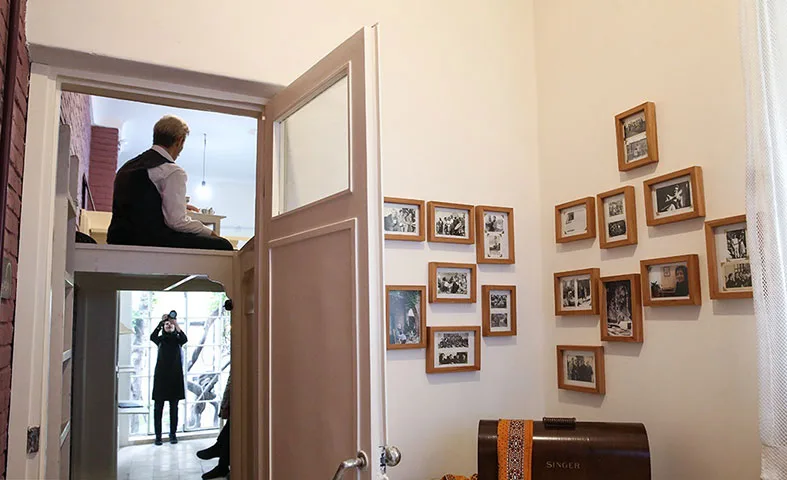
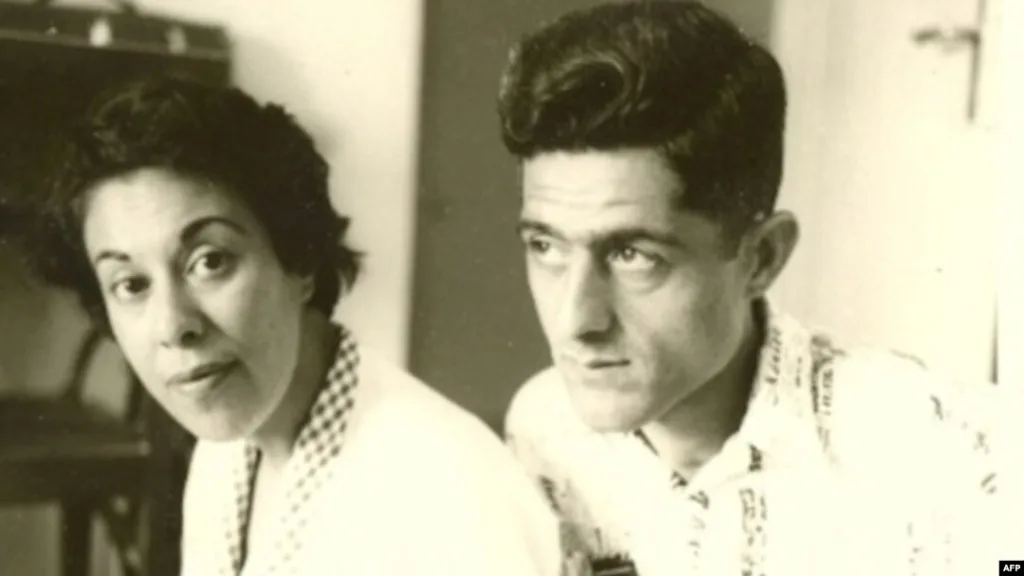
Who were Simin and Jalal?
Simin Daneshvar was born in Shiraz in 1921 and went to an English-language school there before moving to Tehran in 1938 to study Persian literature at the University of Tehran. Her first collection of short stories, Atash-e Khamoosh (Quenched Fire), appeared in 1948, making her the first Iranian woman to publish a book of stories. Some of her earliest pieces were published under the pen name “Nameless Shirazi”.
She married Jalal Al-e Ahmad in 1950. Two years later she won a Fulbright fellowship to study creative writing at Stanford University under the American novelist Wallace Stegner, and published stories in English while she was there. Back in Tehran she taught at the University of Tehran for many years.
Her best-known work is Savushun, published in 1969, a novel set in Shiraz during the Second World War that became one of the best-selling Persian novels of all time and has been translated into many languages. It draws heavily on the folklore and speech of southern Iran. Daneshvar died in Tehran in 2012, aged 90.
Al-e Ahmad, born in Tehran in 1923, was one of the most influential prose writers and essayists of his generation, known for his short stories, travel writing and essays. He died in 1969, the same year Savushun came out.
Visiting tips
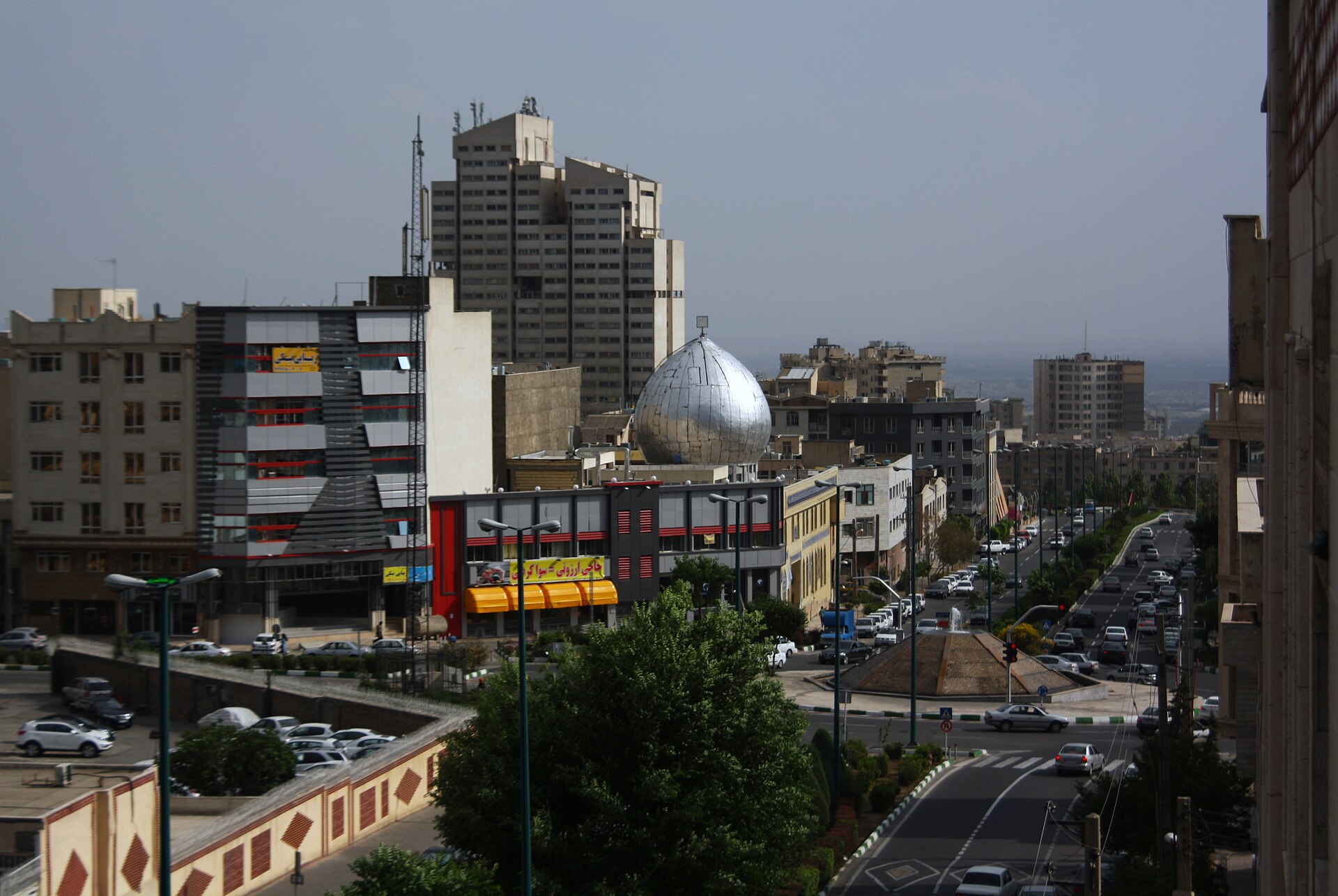
- Location: the house is off Rahbari Street (Abkooh area) in Dezashib, a short taxi ride or a 20-minute walk from Tajrish Square.
- Hours: the museum has been listed as open from 9am to 5pm and closed on Saturdays. Hours can change around public holidays, so check before going.
- Time needed: the house is small; allow 45 minutes to an hour, longer if you want to sit in the garden.
- Language: labels and staff explanations are mainly in Persian, so read up on the couple beforehand or go with a Persian-speaking friend.
- Combine it: pair the visit with Tajrish bazaar and the Imamzadeh Saleh shrine, or with a stroll around Niavaran.
- Tickets: entry is inexpensive. For a broader idea of costs in the city, see our Iran prices page.