Updated November 2026 We have updated the school’s website and background, removed out-of-date fees and phone numbers, and added advice on checking current arrangements after this year’s disruption.
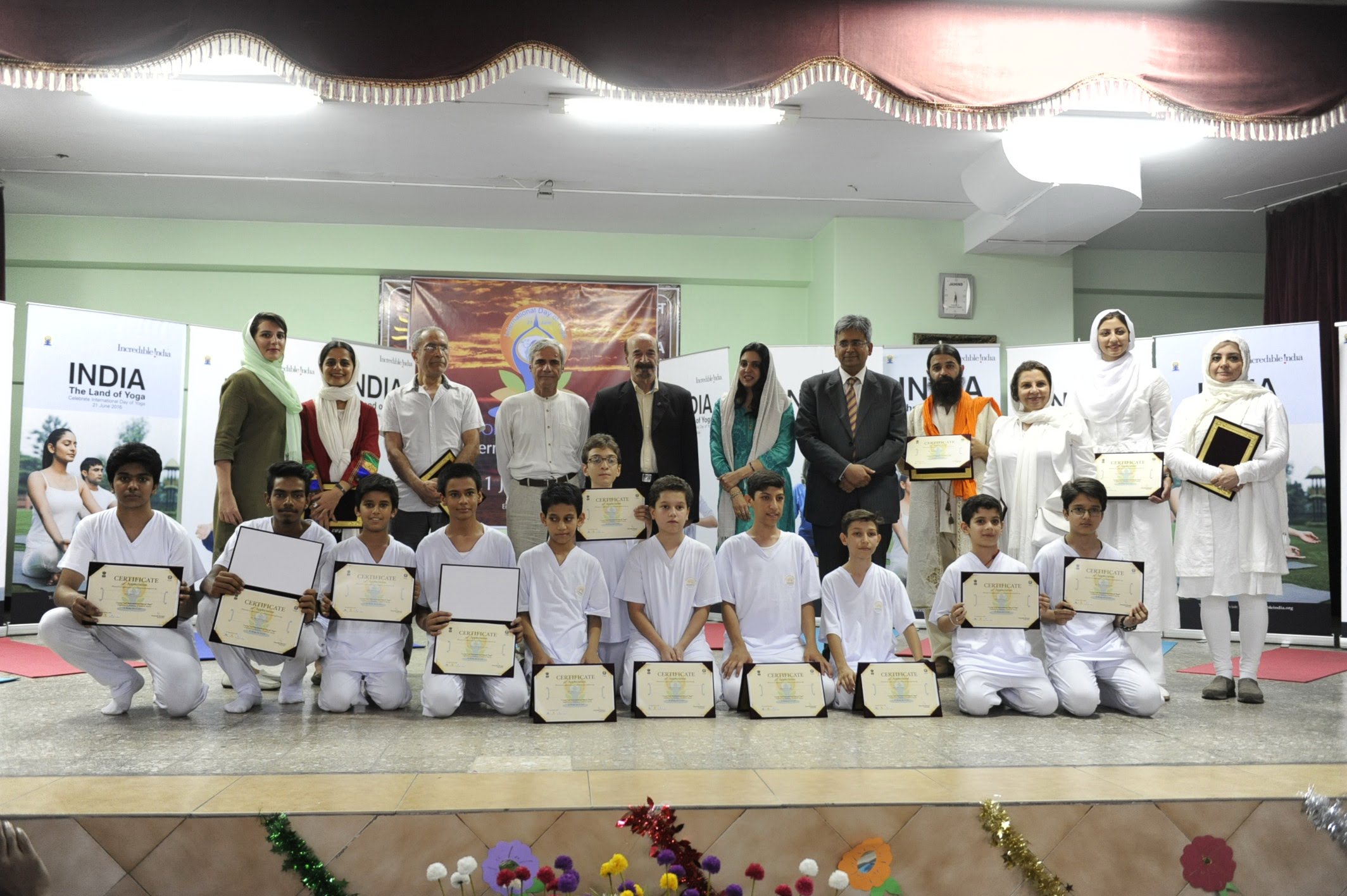
The Indian school in Tehran, officially Kendriya Vidyalaya Tehran and often called KV School, is one of the city’s longest-running international schools. It teaches the Indian CBSE curriculum in English from kindergarten to Class XII, sits in central Tehran’s Baharestan district, and accepts pupils of many nationalities as well as Indian families. For expatriate parents living downtown, it is one of the few English-medium options within easy reach.
History of the Indian school in Tehran
Tehran’s Indian community opened its own school in 1952 to educate its children. It later affiliated with the Central Board of Secondary Education (CBSE) in New Delhi and became the Indian Senior Secondary School, managed by the Bhai Ganga Singh Sabha Gurudwara Trust. When private schools were restricted after the revolution, the Embassy of India took the school under its patronage as the Indian Embassy School.
In July 2004, Kendriya Vidyalaya Sangathan, the Indian government organisation that runs central schools in India and abroad, took over, and it has since been known as Kendriya Vidyalaya (Embassy of India School) Tehran. According to the school’s website, it operates on a self-financing basis under the patronage of the Indian ambassador, who chairs its management committee.
Curriculum and qualifications
The school is co-educational and takes children from Lower Kindergarten, at about age three, through to Class XII, at about 18. It follows the CBSE syllabus used across India, with two main public examinations:
- Class X (AISSE): broadly comparable to GCSEs or O-levels.
- Class XII (AISSCE): broadly comparable to A-levels, and the qualification used for university entrance in India and recognised by many universities elsewhere.
Teaching is in English. Alongside Hindi, the school offers languages including Persian and French, and has also taught Punjabi, which gives children a useful grounding in Farsi while they live in Iran.
Who the school suits
Although it was set up for the Indian community and the children of embassy staff, KV Tehran has long admitted pupils from other diplomatic missions and many other nationalities, including families from South and South-East Asia, Europe and the UK. Its central location makes it practical for families living downtown, who would otherwise face long daily journeys to schools in the north of the city.
Parents we have spoken to over the years, including families with no connection to India, have praised the standard of teaching. The structured CBSE approach transfers well if your family later moves to India, the Gulf or elsewhere.
Fees and admissions
Fees are set each academic year and are generally lower than those at the larger northern Tehran international schools. As they change frequently, and are affected by the exchange rate, contact the school directly for the current schedule and any admission tests or documents required. Our Iran prices tracker gives a sense of how living costs are moving.
Checking current arrangements
In March 2026, the Indian Embassy in Tehran moved most Indian students out of the city for safety during the conflict, according to ETV Bharat. Before enrolling or planning a move, confirm with the school or the Embassy of India in Tehran whether classes are running in person and what the term dates are.
Contact details
- Address: Darvish Street, off Saadi Avenue, Baharestan, central Tehran
- Website: kendriyavidyalayatehran.ir
For more on raising children in the city, from schools to days out, see our parents and kids section.