Updated November 2026 We have rewritten this piece as a general guide to the museum; the one-off 2018 guided tour it originally promoted has long passed, and opening hours should be checked before you visit.
Tehran’s Time Museum (Muzeh-ye Zaman) is Iran’s first museum devoted to time and timekeeping, and one of the city’s more unusual small museums. Opened in 1999 in an elegant mansion set in a large historic garden, it traces how people have measured time, from sundials and water clocks to the pocket watches of the 19th century and the wristwatches of the 20th. It is a calm, rewarding visit for anyone interested in history, craftsmanship or simply beautiful objects.
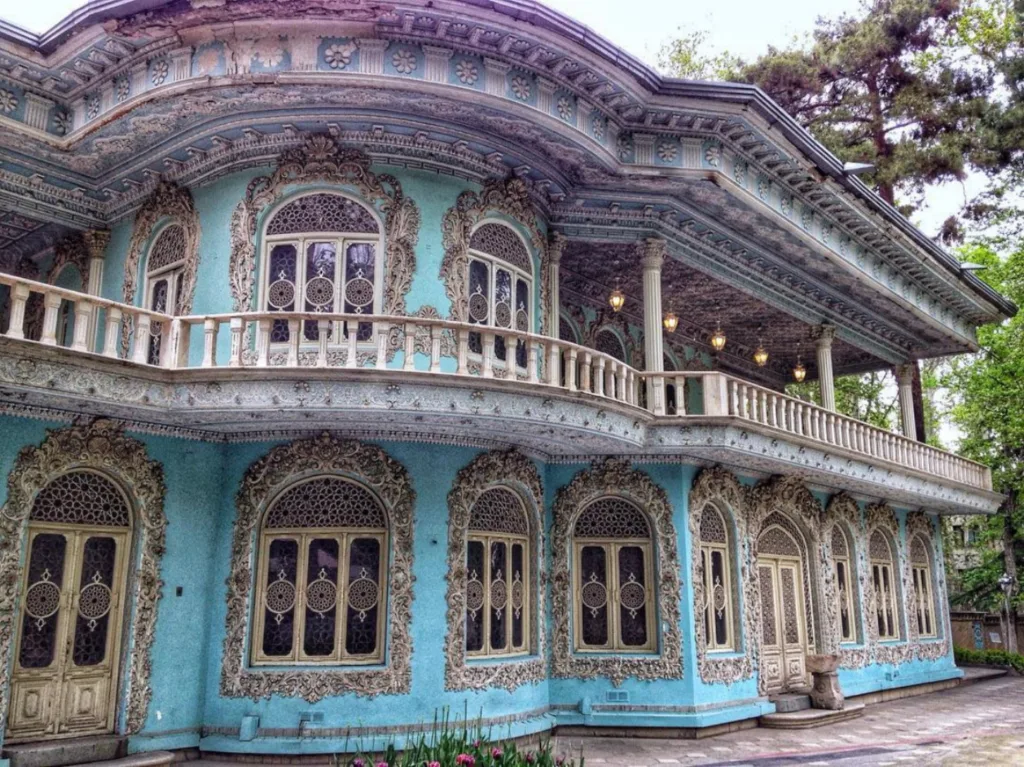
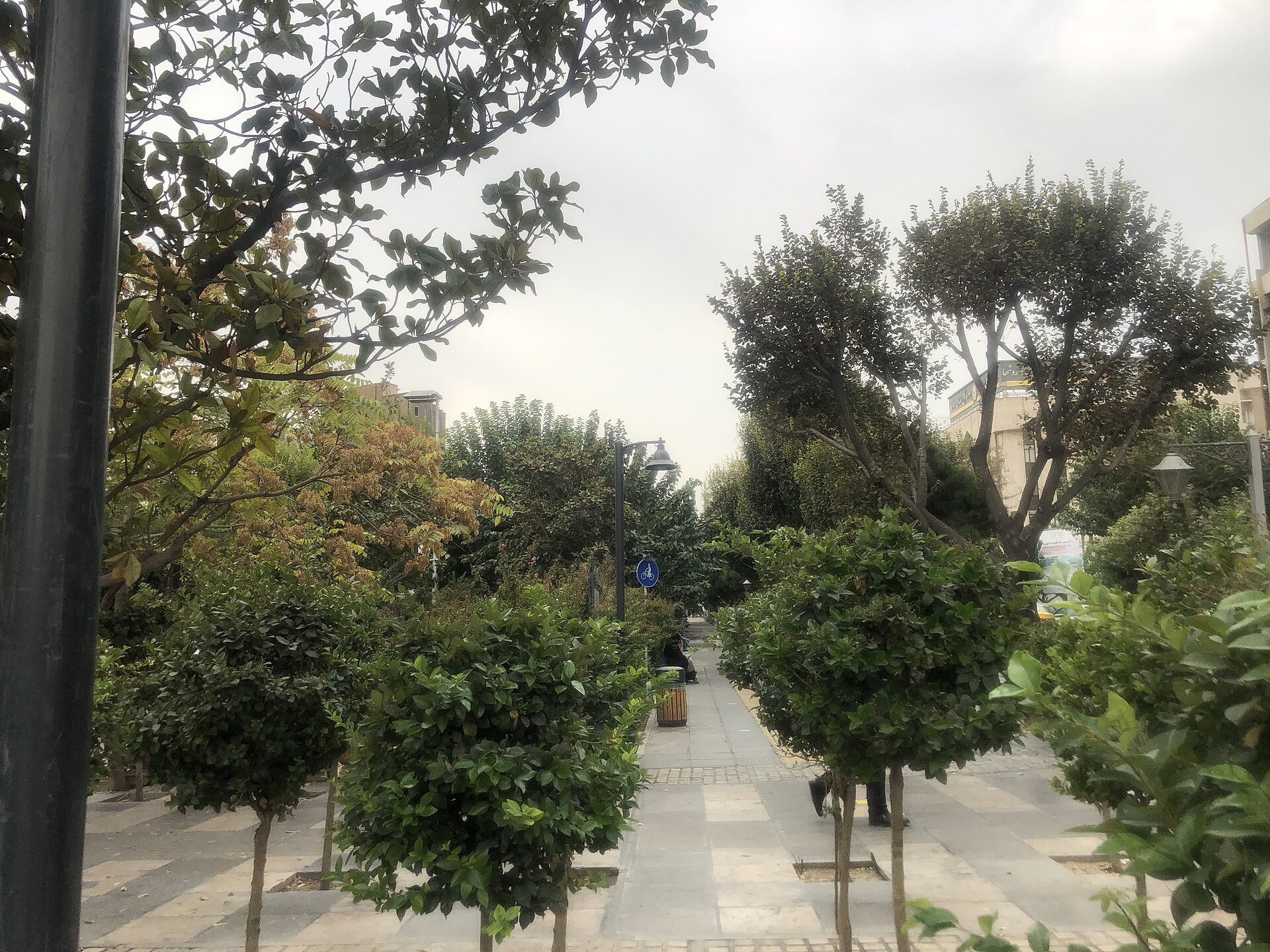
Part of the appeal is the setting. The museum occupies a mansion close to a century old, surrounded by a garden of around five hectares whose origins go back to the Qajar era, in the time of Mohammad Shah and Naser al-Din Shah. Even before you reach the exhibits, the shady paths and old trees offer a welcome escape from the traffic of the city.
Outside, in the garden, you will find working reconstructions of early timekeeping devices: sundials, water clocks, sand glasses and clocks that measured time by burning fuel. These help to make sense of what comes later indoors, and they tend to fascinate children.
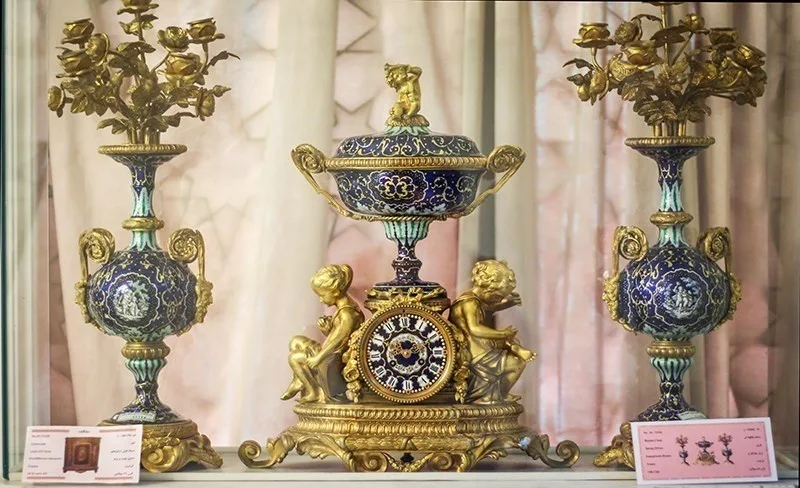
Inside, the first-floor galleries follow the development of mechanical clocks and watches from the 17th century to the 20th. Many pieces carry their makers’ signatures, and there are fine examples of bedside and mantel clocks alongside wristwatches. Along the walls, displays explain the history of the Iranian calendar, one of the most accurate solar calendars in the world, and the documents that record it.
On the floor above, the collection turns to pocket watches, including timepieces that once belonged to well-known political and historical figures, and to specialist clocks made for particular jobs: time-stamping workers’ cards, checking on night guards, keeping time at sea and serving the army. These are some of the most interesting objects in the museum, as they show how timekeeping shaped everyday working life.
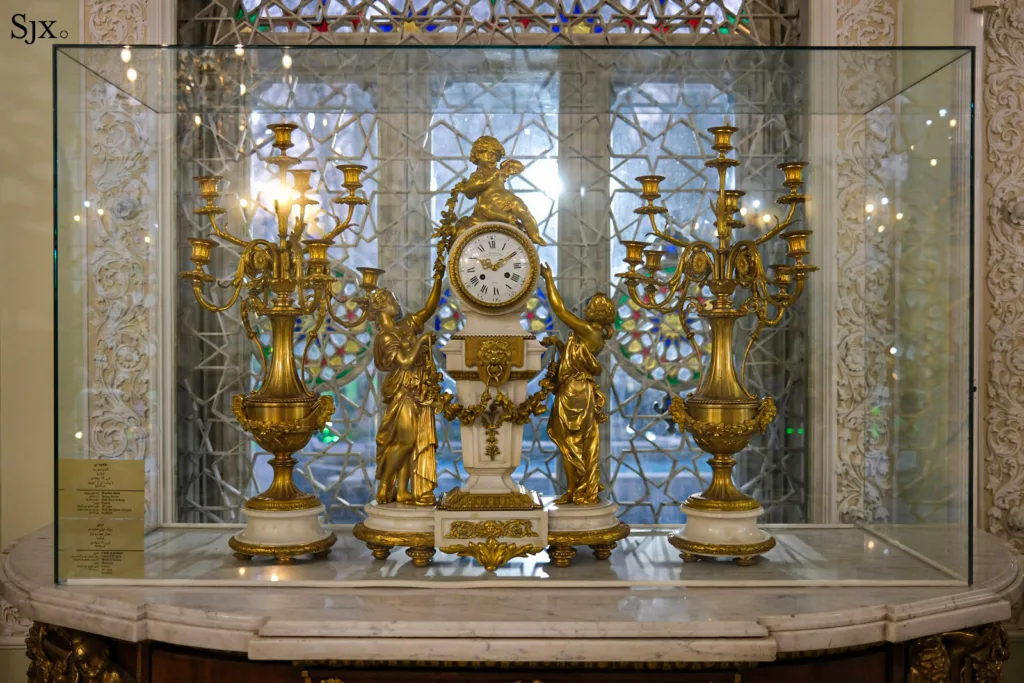
Labels are mostly in Persian, so if your reading is still a work in progress, consider going with a Persian-speaking friend or joining a guided museum tour; local tour operators and language schools run English-language visits to Tehran museums from time to time, often bookable through the events site Tiwall. Allow an hour or so for the collection and a little longer if you want to enjoy the garden. Opening times and ticket prices change, and museums in Tehran usually close on certain public holidays, so check before you set off. For a sense of current everyday costs, see our Iran prices trackers.