It is a common mistake to think of Nowruz as an Iranian-only holiday. It is the Persian New Year, and it is kept across a much wider map: the countries that once sat inside or beside the Persian Empire, and the communities that carried the festival with them when they moved. Before the fall of the Soviet Union, Iran was the only government to officially celebrate the day. After the Central Asian and Caucasus countries regained their independence, they brought the holiday back at the start of spring. In 2010, the UN General Assembly recognized March 21 as the International Day of Nowruz, describing it as a spring festival of Iranian origin, celebrated for over 3,000 years.
This guide brings together Living in Tehran’s two March 2025 countries posts into one place: the list of countries and their dates from one, and the country-by-country customs from the other. This revision adds the history that explains the map, country by country, in plain language, and says clearly where the link is not a simple story of empire.
Why so many countries? The Persian connection, in plain language
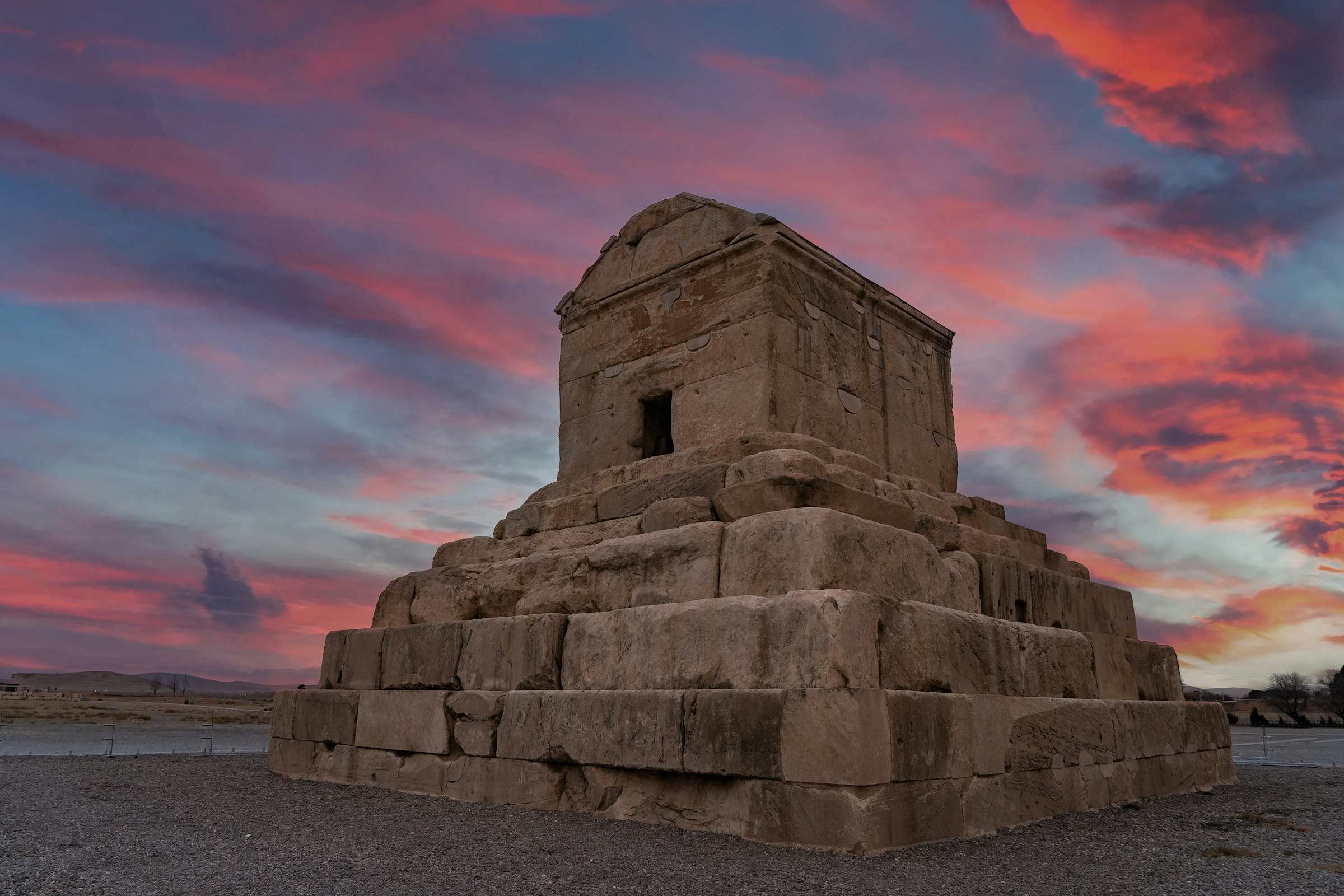
Think of it like this: for more than 2,000 years, a series of Persian empires and Persian-speaking states ruled or strongly influenced a large area from the eastern Mediterranean and the Caucasus through Iran to Central Asia and the Indus valley. The best-known early example is the Achaemenid Empire, founded in the sixth century BCE, which at its height stretched from the Aegean to the Indus. Later Persian dynasties, including the Parthians and Sasanians, and later Persian-speaking rulers in Central Asia, kept Persian language, literature, court customs, and the solar calendar in circulation across much of the same area.
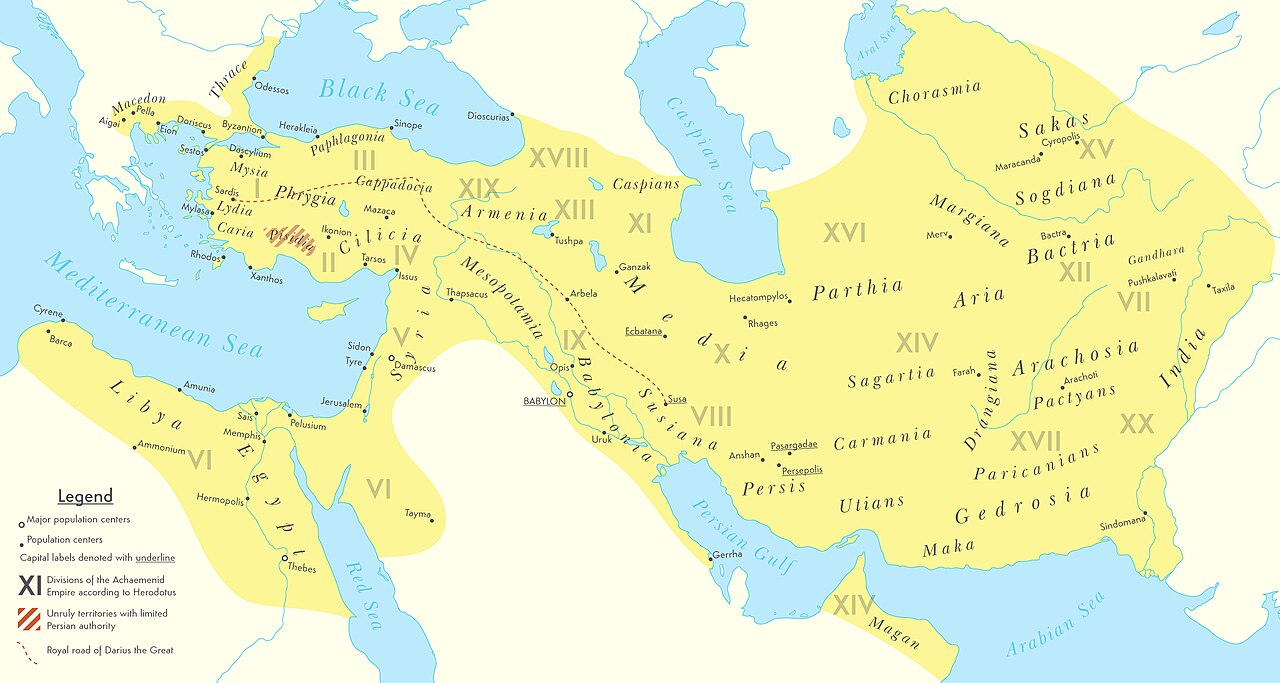
Nowruz travelled with that world. It was a court and popular festival of the new year at the spring equinox, and it stayed in local life even after empires changed hands, because it was tied to farming, the seasons, family visits, and the start of a new year, not only to one king or one state. That is why the same spring festival can look familiar in Tehran, Dushanbe, Baku, and Tashkent, while still having a different local name, food, and customs in each place.
But do not overstate it. Not every country on the list was simply part of the Persian Empire, and not in the same way or at the same time. Some were at the edge of it, some were ruled by Persian states for a period and then by others, some were shaped mainly by Persian language and culture rather than by direct rule, and a few mark Nowruz for quite different historical reasons, through later religious or community links. The notes below try to keep that distinction.
Countries that officially celebrate Nowruz
The following countries mark Nowruz as an official holiday or official celebration, with the dates given in the original March 2025 list:
Afghanistan: March 21. Albania: March 22. Azerbaijan: March 20. Georgia: March 21. Iran: March 21. Iraq (Kurdistan region): March 21. Kazakhstan: March 21. Kosovo: March 21. Kyrgyzstan: March 21. Mongolia (Bayan Olgii region). Tajikistan: March 20. Turkmenistan: March 21. Uzbekistan: March 21.
Beyond that list, people also celebrate the coming of spring in western China, southern Turkey, Pakistan, and in diaspora communities around the world, including in Europe and North America, where the festival is kept by Iranian, Afghan, Kurdish, and Central Asian communities.
Iran, in brief

In Iran, Nowruz is the most important holiday of the year and runs for over two weeks. The festivities start with Chaharshanbe Suri, when people light bonfires and jump over them, and centre on the Haft Seen table on New Year’s Eve, when families gather, exchange gifts, and visit relatives and friends through the thirteen days. The full story is in our separate Nowruz hub guide.
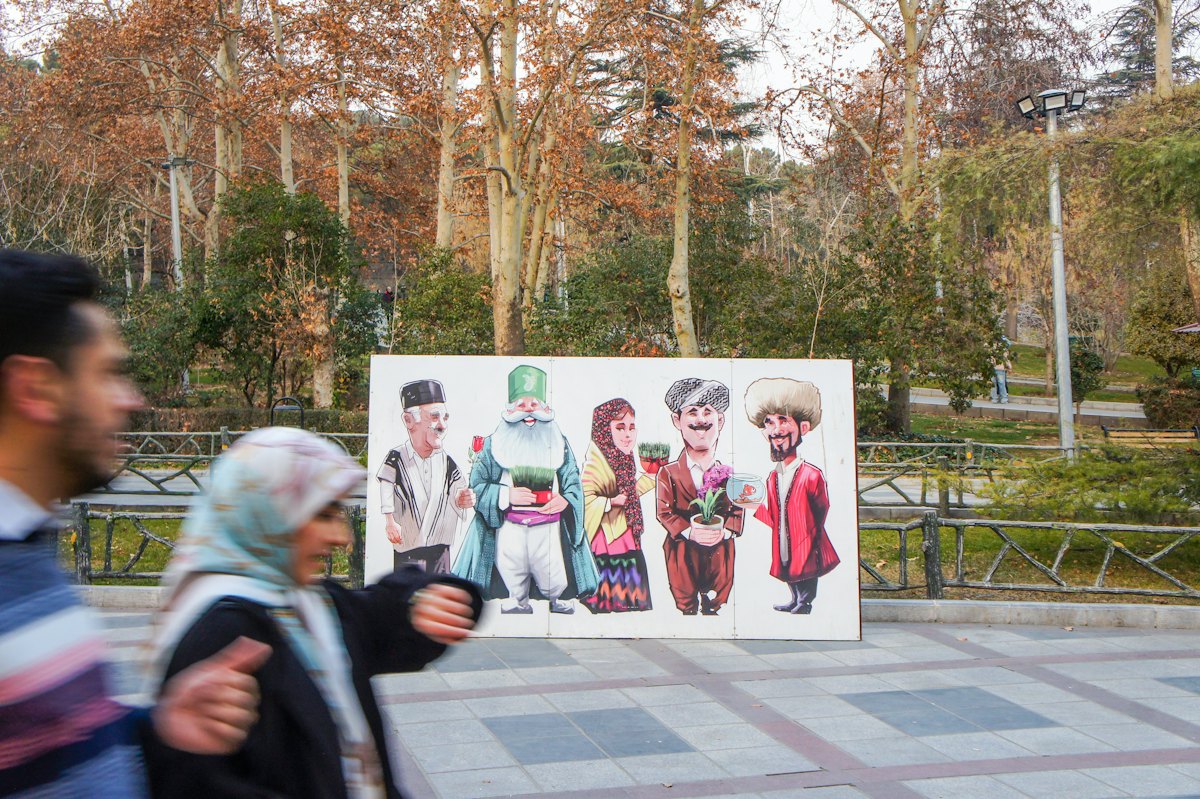
Afghanistan: Nawroz and Haft Mewa
In Afghanistan, where the festival is known as Nawroz, celebrations run for two weeks, and preparations start a month before. It is celebrated by Pashtun and Hazara communities, among others. One custom stands out: Haft Mewa, a mix of seven dried fruits that symbolizes fertility and good luck.
The history link here is direct and deep. Much of what is now Afghanistan sat in the eastern Persian world, including the ancient region of Bactria, and Persian language and culture have been central to Afghan court and city life for centuries. Dari, one of Afghanistan’s official languages, is a form of Persian. Nowruz here is therefore not a borrowed foreign festival, but part of a shared eastern Persian tradition, with its own Afghan customs, such as Haft Mewa and the spring festival in Mazar-i-Sharif.
Uzbekistan: Navruz, Sumalak, and visits to the graves
In Uzbekistan, where it is known as Navruz, the festival lasts one week. The dish of the holiday is Sumalak, a dish made from germinated wheat, and people also visit the graves of their ancestors to pay their respects.
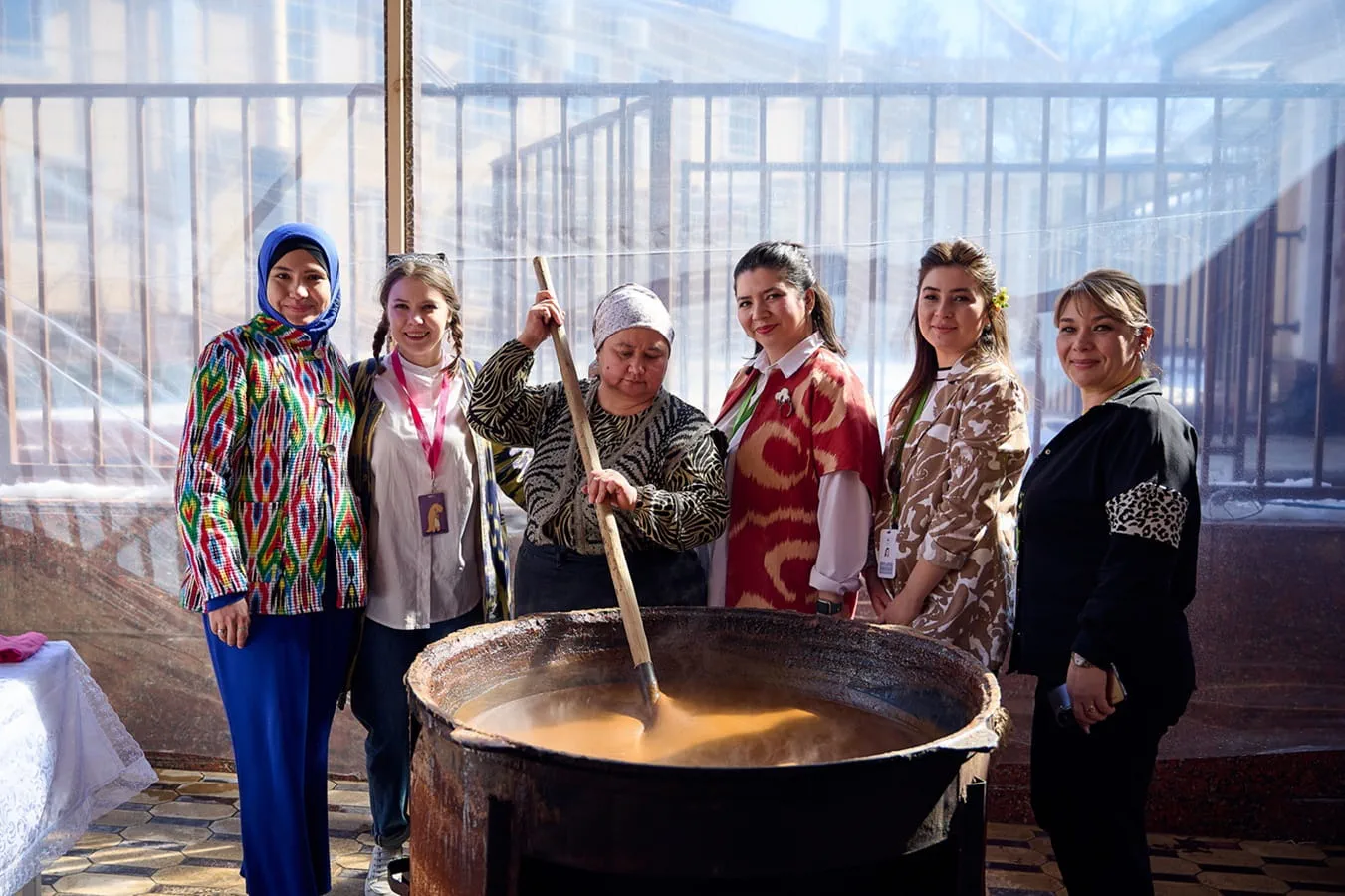
Uzbekistan sits on the old Silk Road cities of Samarkand and Bukhara, which were for long periods centres of Persian language, literature, and court culture, even when ruled by Turkic dynasties. That Persianate layer is why Navruz, with its spring food and family customs, sits naturally alongside Uzbekistan’s own Turkic and Central Asian traditions.
Azerbaijan: Novruz Bayrami and the four Charshanba Tuesdays
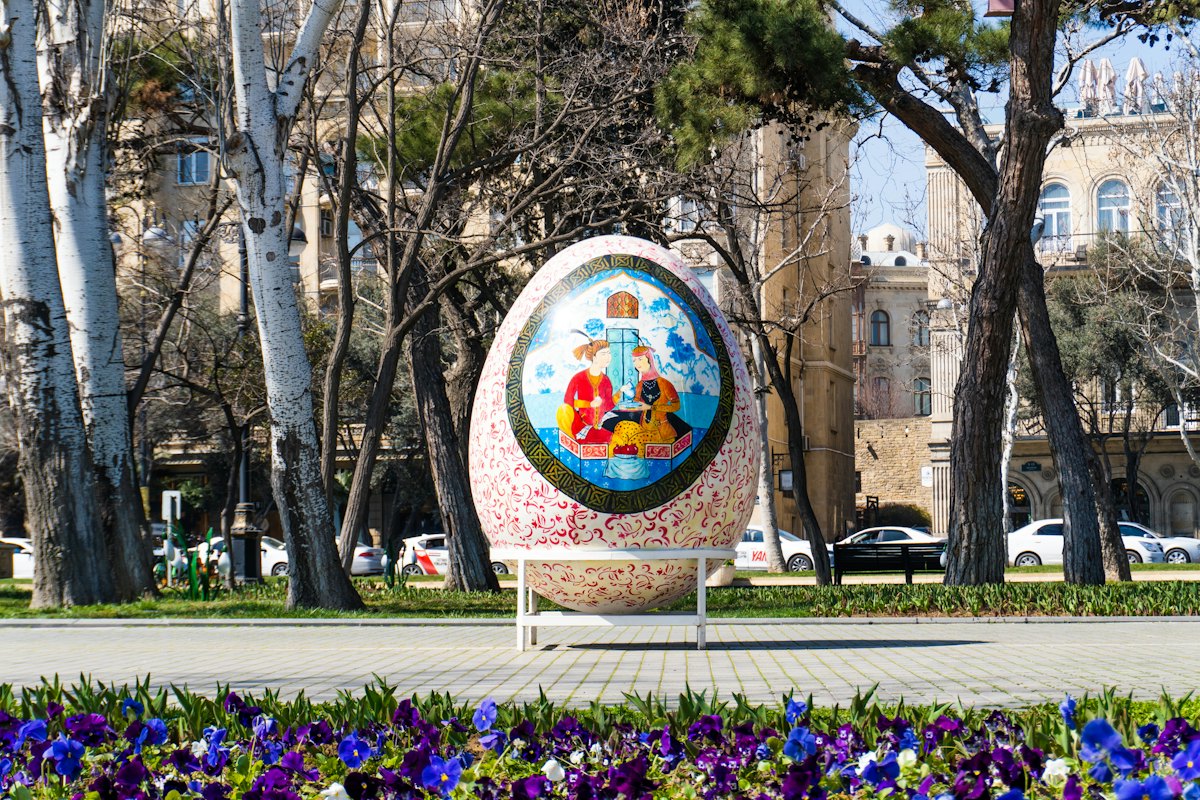
In Azerbaijan, the holiday is called Novruz Bayrami and lasts four days. The run-up is marked by the four Charshanba Tuesdays, and by semeni, green wheat sprouts that symbolize spring growth, and by decorated eggs.
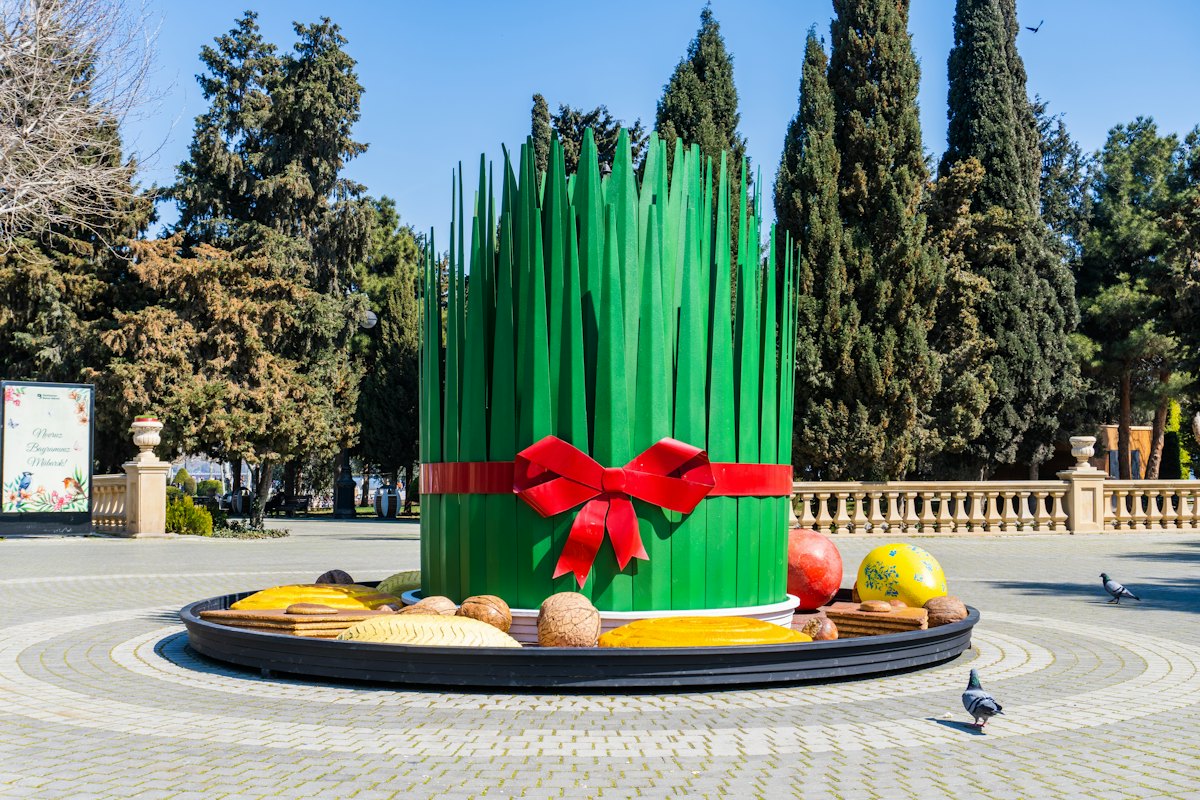
Azerbaijan is a Caucasus country with a long Iranian connection. Its lands were at different times within or beside Persian empires, and its language and culture carry that history, even as modern Azerbaijan has its own national customs for Novruz.
Tajikistan: the closest linguistic link
Tajikistan is the clearest case of a Persian link that is about language. Tajik is a form of Persian, and Nowruz in Tajikistan is celebrated as a major spring and new year festival, with family visits, traditional food, and public celebrations. The shared language makes the Persian origin of the festival especially direct here, even though Tajikistan was not a separate Persian state in the modern sense.
Kazakhstan and Kyrgyzstan: a Central Asian spring festival
In Kazakhstan, Nowruz is a multi-day public holiday, and a traditional drink called nauryz kozhe is served. In Kyrgyzstan, Nowruz is also a public holiday, marked with spring foods, family gatherings, and public celebrations.
These are Turkic-speaking, historically nomadic societies, and their spring festivals have their own roots as well. Their modern Nowruz holidays were revived after independence, drawing on a shared Central Asian spring tradition that overlaps with, but is not identical to, the Persian festival.
Turkmenistan: between Iran and Central Asia
Turkmenistan marks Nowruz as a public holiday, with spring celebrations, family visits, and traditional foods. Its position between Iran and Central Asia, and its history within Persianate and Turkic worlds, helps explain why the festival is at home here.
Georgia and Iraq (Kurdistan region): neighbours of the Persian world
Georgia, in the Caucasus, was for long periods a frontier kingdom between Persian, Ottoman, and Russian powers, and Nowruz is marked there as a spring celebration, particularly by Azerbaijani and other communities.
In the Kurdistan region of Iraq, Newroz is a major Kurdish spring festival. Kurdish is an Iranian language, and the Kurdish Newroz has its own history and symbolism, including bonfires and the story of Kawa the Blacksmith, as well as a shared spring and new year theme.
Albania and Kosovo: a different route
Albania and Kosovo are the clearest warning against saying that every Nowruz country was part of the Persian Empire. Here, Nowruz is celebrated mainly by Bektashi and other communities, through a religious and community route that reached the Balkans via the Ottoman world, rather than through direct Persian rule. The date in Albania is March 22.
Mongolia (Bayan Olgii) and the wider map
In Mongolia, Nowruz is marked in Bayan Olgii, a western province with a large Kazakh community. The celebration there reflects the Kazakh community’s Central Asian spring tradition, rather than a Mongolian-wide Persian history. It is a reminder that the map of Nowruz today follows people and communities, not only old empires.
How to spell Nowruz?
You will see several spellings, because countries have developed their own versions of the word. The main forms are Nowruz, Nawroz, Navruz, Novruz, and Newroz, reflecting Persian, Afghan, Uzbek, Azerbaijani, and Kurdish pronunciations. Linguistically, Nowruz is the most correct spelling, as it reflects the original Persian word, and it is the preferred choice of the international community, including UNESCO and the UN. In practice, use the local spelling when writing about a particular country, and Nowruz as the general, international form.