Nowruz is the Persian New Year, and in Iran it is the biggest holiday of the year. The name means new day. It falls on the spring equinox, usually March 20 or 21, and the celebrations run for 13 days, from the moment of the equinox through to a day outdoors on day 13.
If you are in Iran in March, you will not miss it. Shops fill with flowers, nuts, and new clothes. Families clean their houses from top to bottom. On the last Tuesday night before the new year, bonfires burn in streets and open spaces across the country. And on the new year itself, families gather around a table set with seven symbolic items, waiting for the exact moment the year turns.
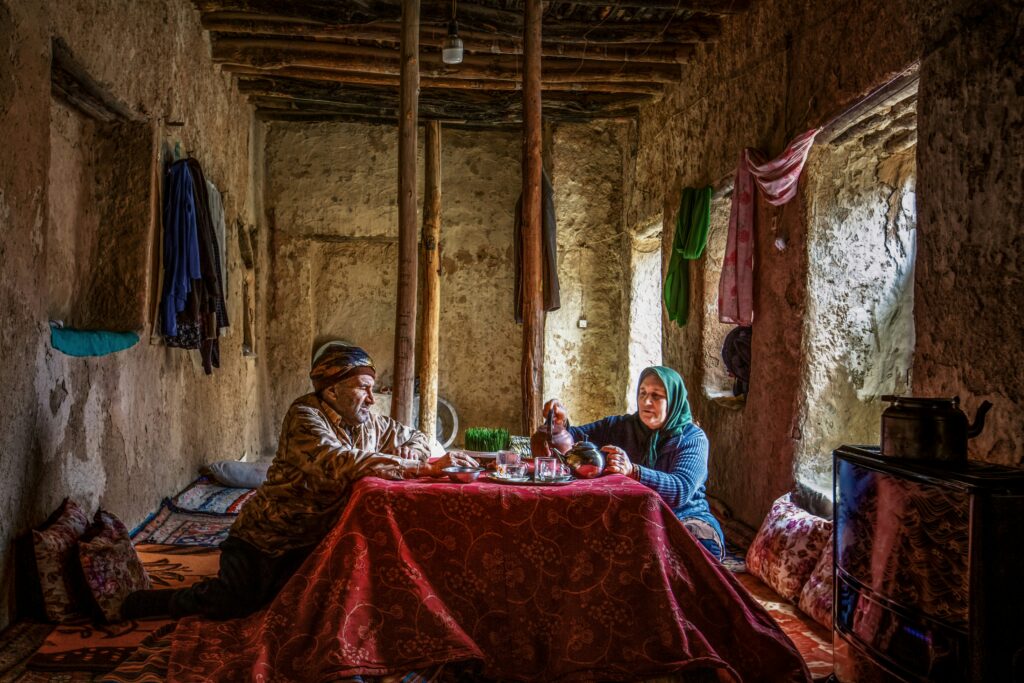
One thing to understand from the start: Nowruz has the same main idea everywhere in Iran, but it does not look exactly the same everywhere. The calendar, the spring-cleaning, the fire night, the Haft Seen table, the family visits, and the day outdoors on day 13 are shared. The details change from place to place, especially the food and sweets, which tend to follow what is common locally. A family in one city may put out different sweets from a family in another city, and that is normal, not a mistake.
When Nowruz falls, and why the date moves
Nowruz is fixed to an astronomical moment, not a calendar date. It begins at the spring equinox, when the sun crosses the equator and day and night are close to equal in length. That moment is the same everywhere in the world, so the local clock time is different in each city.
In 2025, for example, the equinox fell on Thursday, March 20: at 12:31 p.m. in Tehran, 9:05 a.m. in London, and 5:05 a.m. in New York. That is why Nowruz can fall on March 20 in one place and March 21 in another, and why the date shifts slightly from year to year. In Iran, that moment is the start of Farvardin 1, the first day of the Iranian calendar.
Families gather around the Haft Seen table for that moment itself. It is not a midnight countdown. The year turns when it turns, in the middle of the day or the early hours, and people mark it together at home.
Where the festival comes from
Nowruz is an old festival, commonly described as more than 3,000 years old, with roots in Zoroastrian tradition and in the spring festivals of the ancient Persian world. It survived empires, invasions, and revolutions, and it is still the holiday most Iranians plan their year around.
It is also not only Iranian. The United Nations General Assembly named March 21 the International Day of Nowruz in 2010, and UNESCO has recognised the festival as part of the shared heritage of the region. What follows is how it is kept in Iran, with a look at how it differs elsewhere.
Before the new year: the spring clean and the shopping
The run-up starts at home, with khane-tekani, literally shaking the house. Families declutter, wash carpets, clean windows, scrub floors, and often repaint a room or buy new furnishings. In larger households, families hire extra help for the heavy work, usually found by word of mouth or through a cleaning agency. The point is practical as much as symbolic: the house should be clean and ready for guests, because the next two weeks are full of visitors.
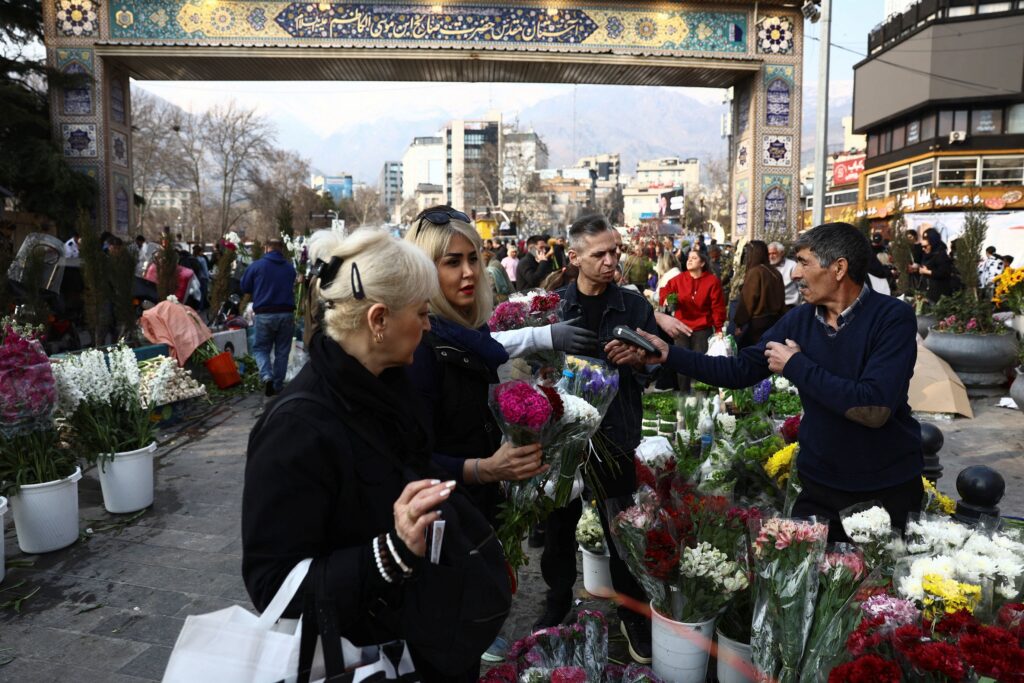
Shopping is the other half of the preparation. People buy new clothes, sweets and nuts for guests, and the items for the Haft Seen table. In Tehran, the Grand Bazaar and Tajrish Bazaar are at their busiest in the days before Nowruz, and the modern malls run their own pre-holiday trade. Gold jewellery, tea sets, Minakari plates, and handmade rugs are common gifts, and crisp new banknotes are still given as gifts, though bank gift cards are now a common modern alternative. The sweets and snacks bought for guests also vary by city and region, following local tastes and what local shops are known for, so do not expect one single national shopping list.
The last Tuesday night: Chaharshanbe Suri, across Iran

On the eve of the last Wednesday before Nowruz, Chaharshanbe Suri, the Festival of Fire, is celebrated across Iran, not only in Tehran. The form changes from place to place, but the common thread is fire, music, and dancing: bonfires are lit in streets and open spaces, people jump over them, and the night is loud, social, and outdoors. Jumping over the fire is tied to leaving bad luck behind and starting the year clean.
Local customs sit around that shared core. In some places the night centres on neighbourhood bonfires and music and dance around them. In others, families gather for a special meal, such as ash-e reshteh, a thick noodle soup. In some neighbourhoods people bang pots and pans in the street, and fireworks are now part of the night in many places too. The exact mix depends on the city, the neighbourhood, and the family, so a visitor should expect the same festival with a different local flavour, not a single fixed show.
Our separate Chaharshanbe Suri guide covers this night in full, and it should be read with the same Iran-wide framing: celebrated across the country, differently in each part, with bonfire, dance, and music as the common theme. In this hub, the point to remember is its place in the sequence: fire first, then the new year itself.
The Haft Seen table
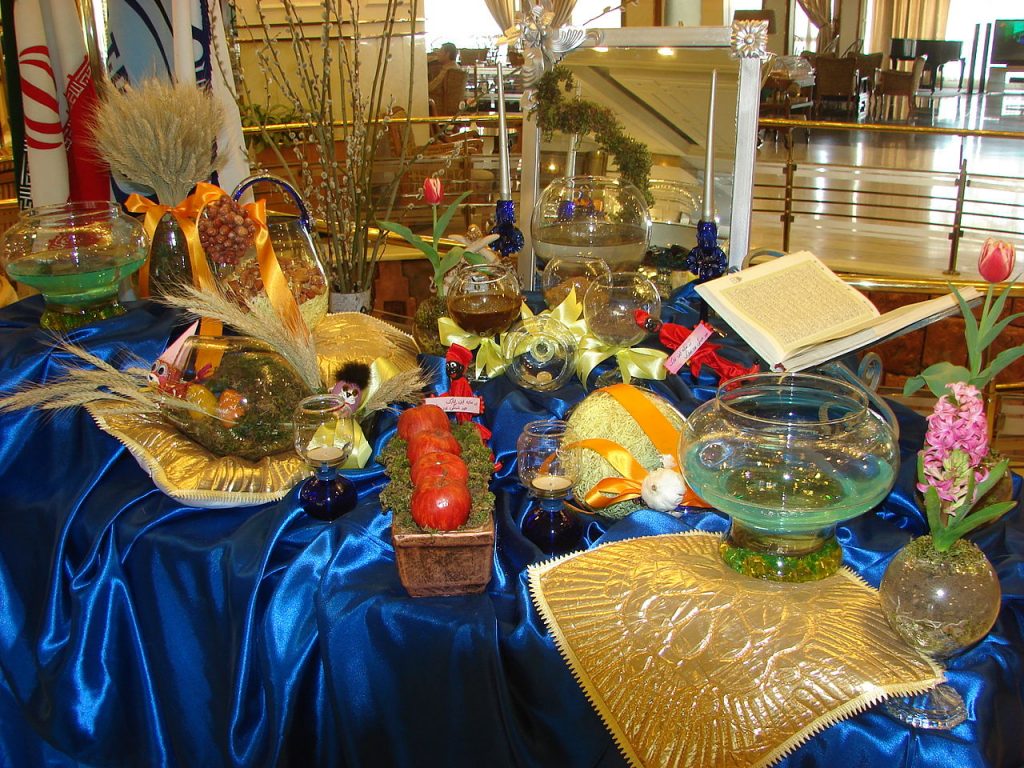
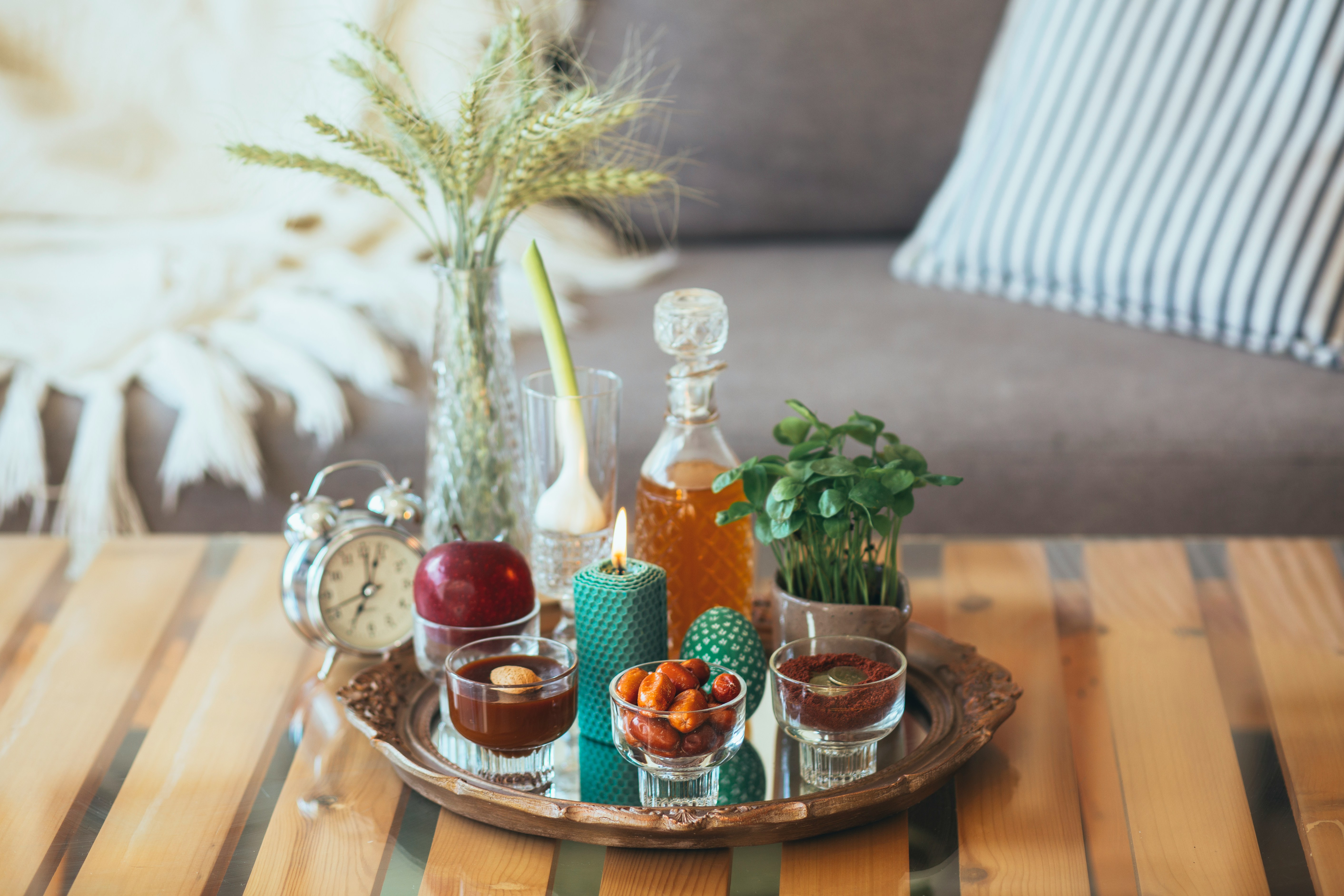
The centre of the new year at home is the Haft Seen, a table set with seven items whose Persian names start with the letter S. Families gather around it for the moment of the equinox, and it stays set through the holiday.
The seven are: Sabzeh, sprouted wheat or lentil greens, for rebirth; Samanu, a sweet wheat pudding, for fertility and the sweetness of life; Senjed, the dried fruit of the oleaster tree, for love; Serkeh, vinegar, for patience and age; Sib, apple, for health and beauty; Sir, garlic, for good health; and Somaq, sumac, for the sunrise and the spice of life.
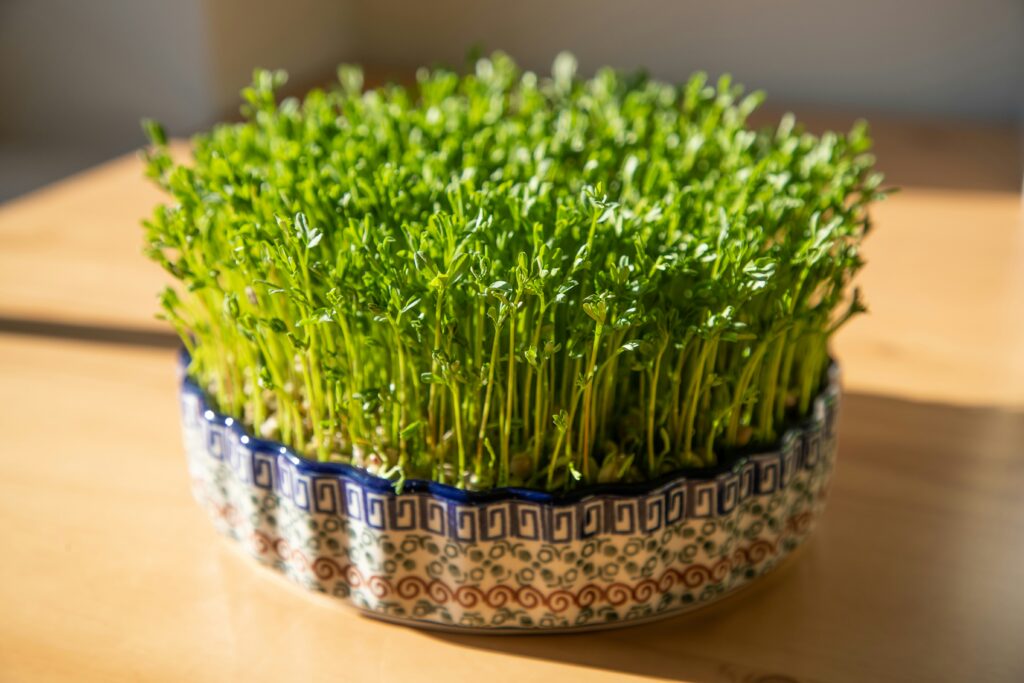
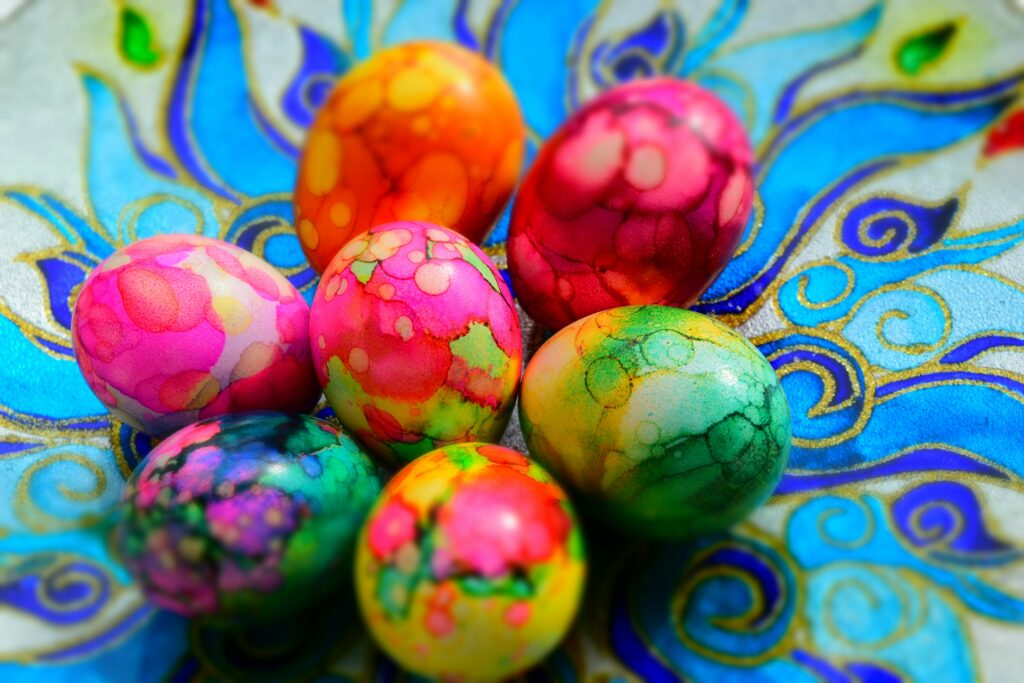
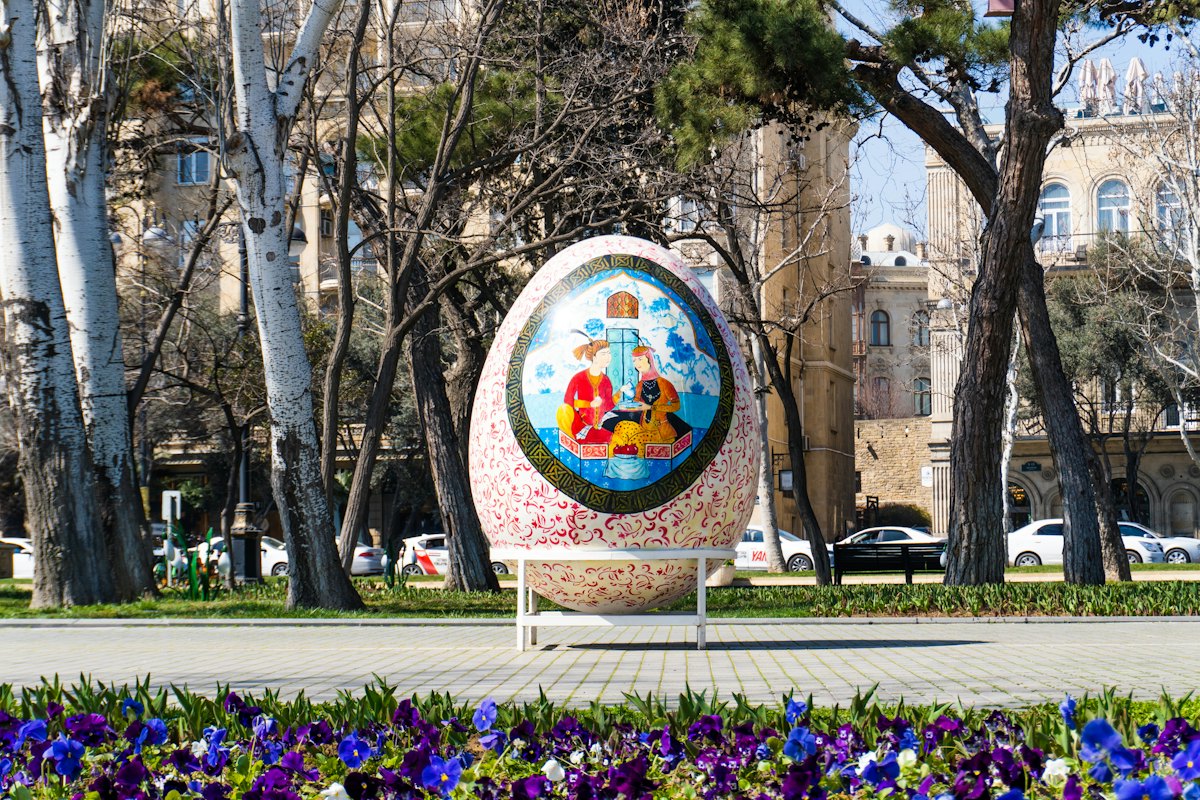
Around them you will usually find a mirror, candles, coloured eggs, a bowl with a goldfish, coins, hyacinth flowers, and a book: the Quran, the Shahnameh, or the Divan of Hafez. The table itself is called the sofreh. An old story says the table was once called Haft-sheen, for seven items starting with Sh, and changed after wine was taken off it; that story is told as tradition, not settled history.
You will also see the spelling Haft Sin. This guide uses Haft Seen, and our separate merged Haft Seen guide sets out the full table, how to put one together, and what each item means.
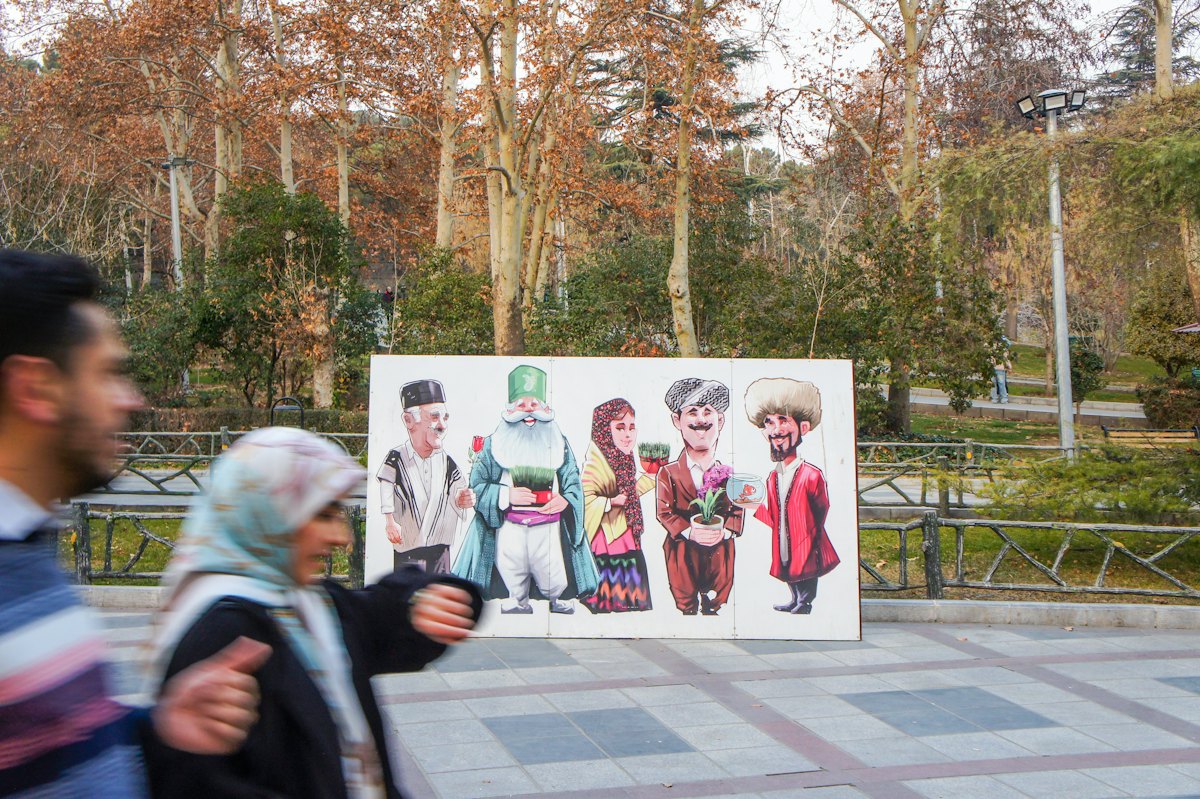
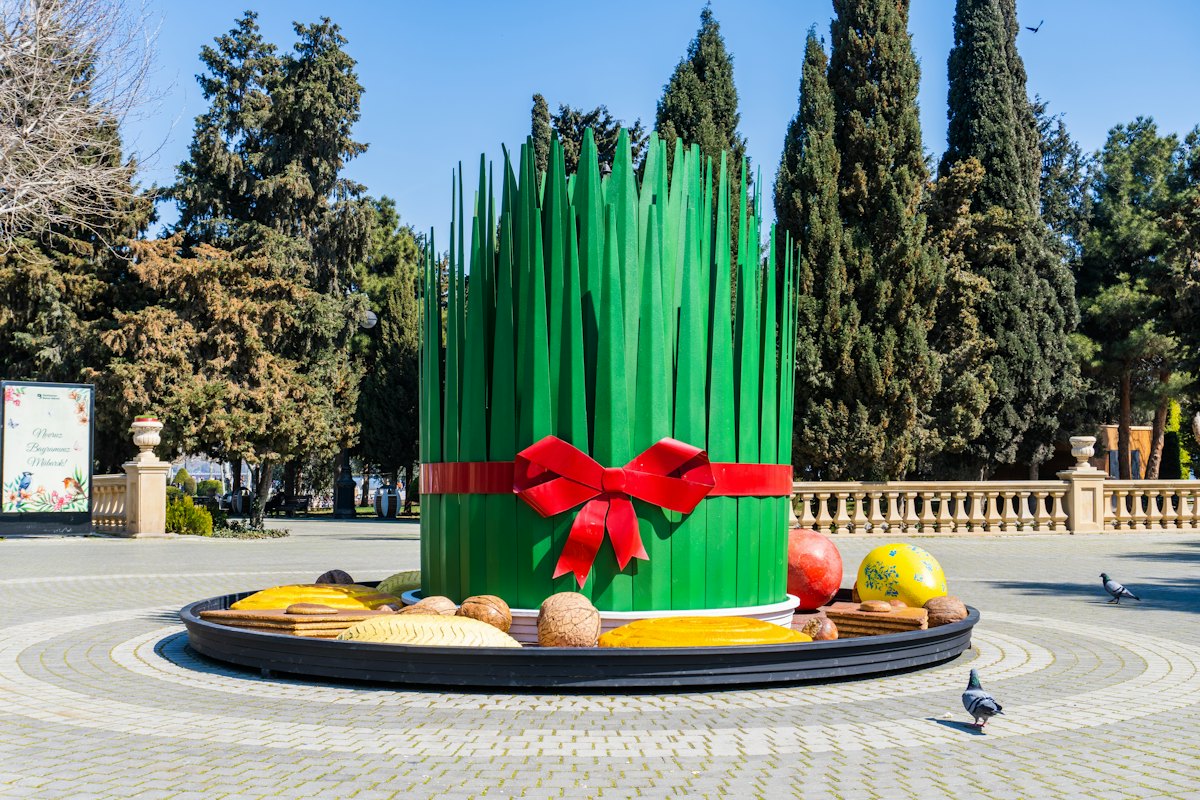
The Haft Seen is the main symbol of Nowruz, in the way a Christmas tree is the main symbol of Christmas. It is not only a private family table. In the days around the new year, Haft Seen tables and their items are displayed as decoration in streets, shops, shopping malls, parks, and other popular public places. People stop beside them, admire them, and take their New Year photos beside their own table at home and beside the large public displays. Many people put great effort into making the nicest table they can, choosing the cloth, the dishes, the flowers, and the arrangement with care, because the table is meant to be seen and shared, not tucked away.
The 13 days: a clear timeline
Nowruz in Iran is not just the first day and the last day. The whole period between them has its own rhythm. Here is how it usually runs.
Day 1, the new year itself: Families gather around the Haft Seen table for the exact moment the year turns. Many families then gather at the home of their oldest member for the new year meal. Greetings, gifts, and the first round of visits begin.
The days in between: Schools are closed for the holiday period. The days in between include working days on the calendar, but most people take leave for them, so the period feels like one long holiday. This is visiting time. Families start with their oldest relatives and work their way around, with sweets, nuts, and fruit set out for every caller. People eat together, catch up, and host in turn.
Travel in the middle days: These middle days are also the traditional time for travel to different parts of the country. Families visit relatives in other cities, take short trips, and explore other regions, which makes this a booming period for local tourism. Hotels, guesthouses, and popular sights in holiday destinations are at their busiest, and roads and transport are fuller than usual.
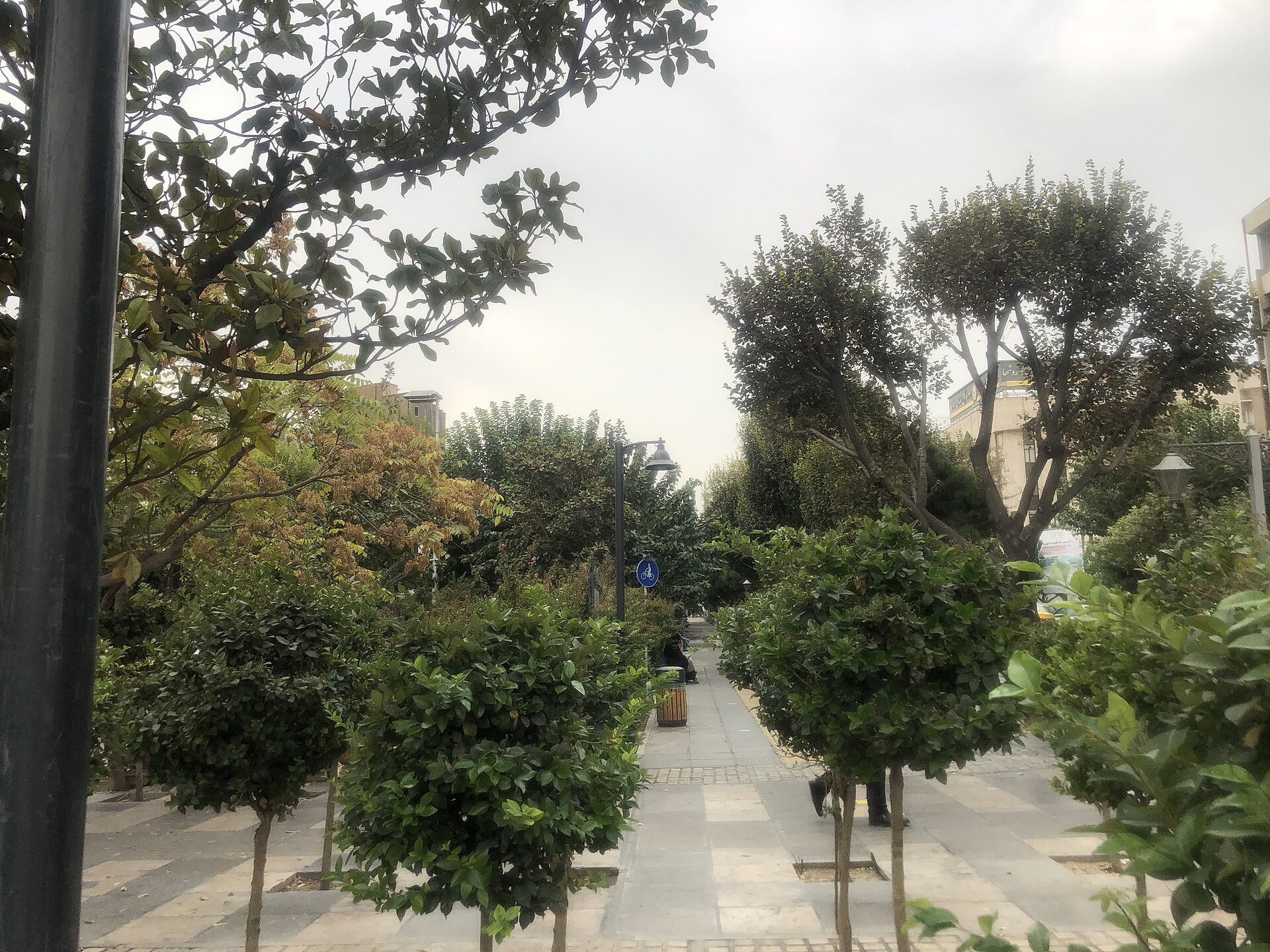
Day 13, Sizdah Be-dar: The festival ends outdoors. The sabzeh from the Haft Seen table is taken outside, knots are tied in its blades while making a wish, and it is thrown into running water. In Tehran, the parks fill up: Jamshidieh in Niavaran, Mellat, Laleh, Chitgar Lake and Park in the west, and the mountain paths of Darakeh and Darband in the north. Picnics, backgammon, cards, and football are the order of the day.

What people eat
The new year meal most people mention first is sabzi polo ba mahi: herb rice served with fish. Kuku sabzi, a herb frittata, and ash-e reshteh, the thick green noodle soup, are part of the same table. Sweets include baghlava, toot (mulberry sweets), naan-nokhodchi (chickpea cookies with pistachio), and ajeel, a mix of dried fruit and nuts.
That list is a starting point, not a rule for every home in Iran. Famous Nowruz foods exist, but they vary city to city depending on local common foods. What is served depends on what is grown, cooked, and sold locally, and on family tradition. One household may centre the meal on herb rice with fish, another may lean on a different rice dish, soup, or local speciality, and the sweets on the table will often be the ones that city is known for. If you are invited to a Nowruz meal in a new city, expect the same spirit, green herbs, fresh spring flavours, sweets for guests, and a table built for sharing, with local dishes doing much of the work.
On Sizdah Be-dar, the picnic version takes over: kebabs, kuku sabzi, ash-e reshteh, and lettuce eaten with sekanjebin syrup.
What to say
The greeting to use is Nowruz mobarak, which means Happy Nowruz. Use it with shopkeepers, neighbours, and anyone you meet over the holiday. If you are invited into someones home, sweets or flowers are a safe gift to take.
Beyond Iran
Nowruz is an official holiday in 13 countries in Europe and Asia: Afghanistan, Albania, Azerbaijan, Georgia, Iran, Iraq (Kurdistan region), Kazakhstan, Kosovo, Kyrgyzstan, Mongolia (Bayan Olgii region), Tajikistan, Turkmenistan, and Uzbekistan. It is also marked by communities in western China, southern Turkey, Pakistan, Syria, and southern Russia, and by diaspora communities around the world.
Each place keeps it its own way. In Afghanistan, where it is called Nawroz, preparations start weeks ahead and the table includes Haft Mewa, a mix of seven dried fruits. In Uzbekistan, called Navruz, it runs for about a week, with sumalak, a dish made from germinated wheat, and visits to family graves. In Azerbaijan, Novruz Bayrami runs for four days, preceded by four Charshanba Tuesdays, the last Tuesdays of winter, and samani, sprouted wheat, is grown in a plate as a sign of spring.
On spelling: Nowruz is the form used by the UN and UNESCO, and the one this guide uses. You will also see Noruz and Norooz, which reflect how the word sounds in Persian. Our separate merged countries guide gives the full list and the country-by-country detail.
Nowruz in Tehran today
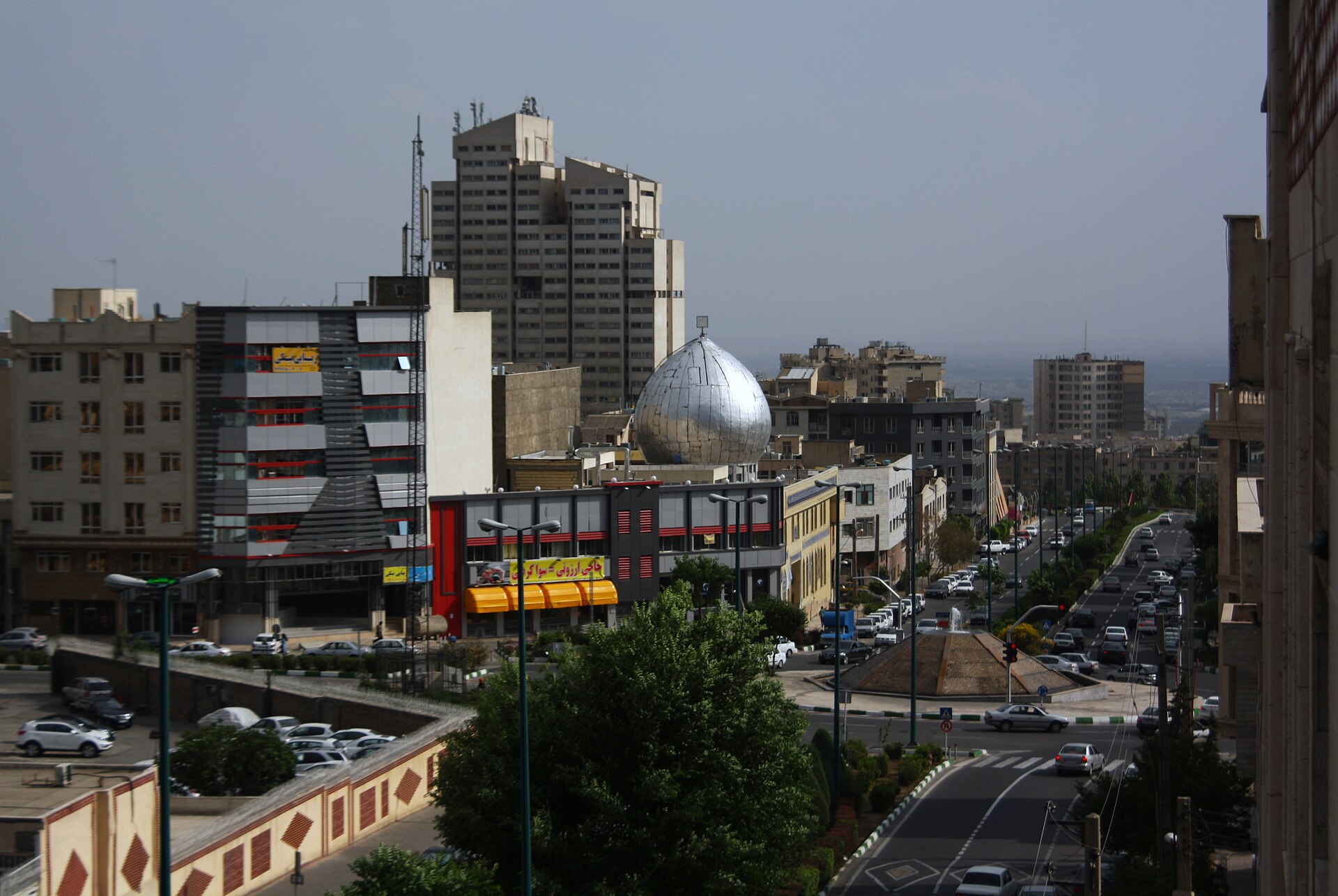
Tehran in the days before Nowruz is crowded and busy, and Tehran during the holiday itself is quiet. Many residents travel, so traffic eases and some shops shut for the holiday days, while the bazaars do their biggest trade beforehand. If you want the bazaar experience, go before the new year: the Grand Bazaar and Tajrish Bazaar are at their liveliest in the run-up, with stalls full of flowers, sweets, nuts, and new-year goods.
For modern shopping, Iran Mall, Palladium in the north, Kourosh Complex, and Qaem Passage next to Tajrish Bazaar are the names that come up most. For day 13, pick a park early: Mellat and Laleh are central, Jamshidieh is the Niavaran choice, and Darakeh and Darband suit a longer walk with teahouses on the way. This section gives places and what to do there, not opening times, because shop and bazaar hours vary from year to year.
Questions people ask
When exactly is Nowruz? At the spring equinox, usually March 20 or 21. The exact moment changes each year, so check the year you are travelling in.
How long does it last? Thirteen days in Iran, from the equinox to Sizdah Be-dar.
Is Tehran closed during Nowruz? Not closed, but quieter. Many residents leave the city, some shops shut over the holiday days, and the busiest time in the bazaars is before the new year, not during it.
Can visitors join in? Yes. Walk the bazaars before the holiday, watch Chaharshanbe Suri from a safe distance, and join the park picnics on day 13. If a family invites you to their Haft Seen, that is a real honour; accept if you can.
Do I need to set a Haft Seen? No, but if you are staying in Tehran over the holiday, our Haft Seen guide walks through the seven items and how to arrange them.
Learn the Persian: Learn the Persian months, the days of the week and how to say a date in our free lesson on time, days and the Persian calendar.