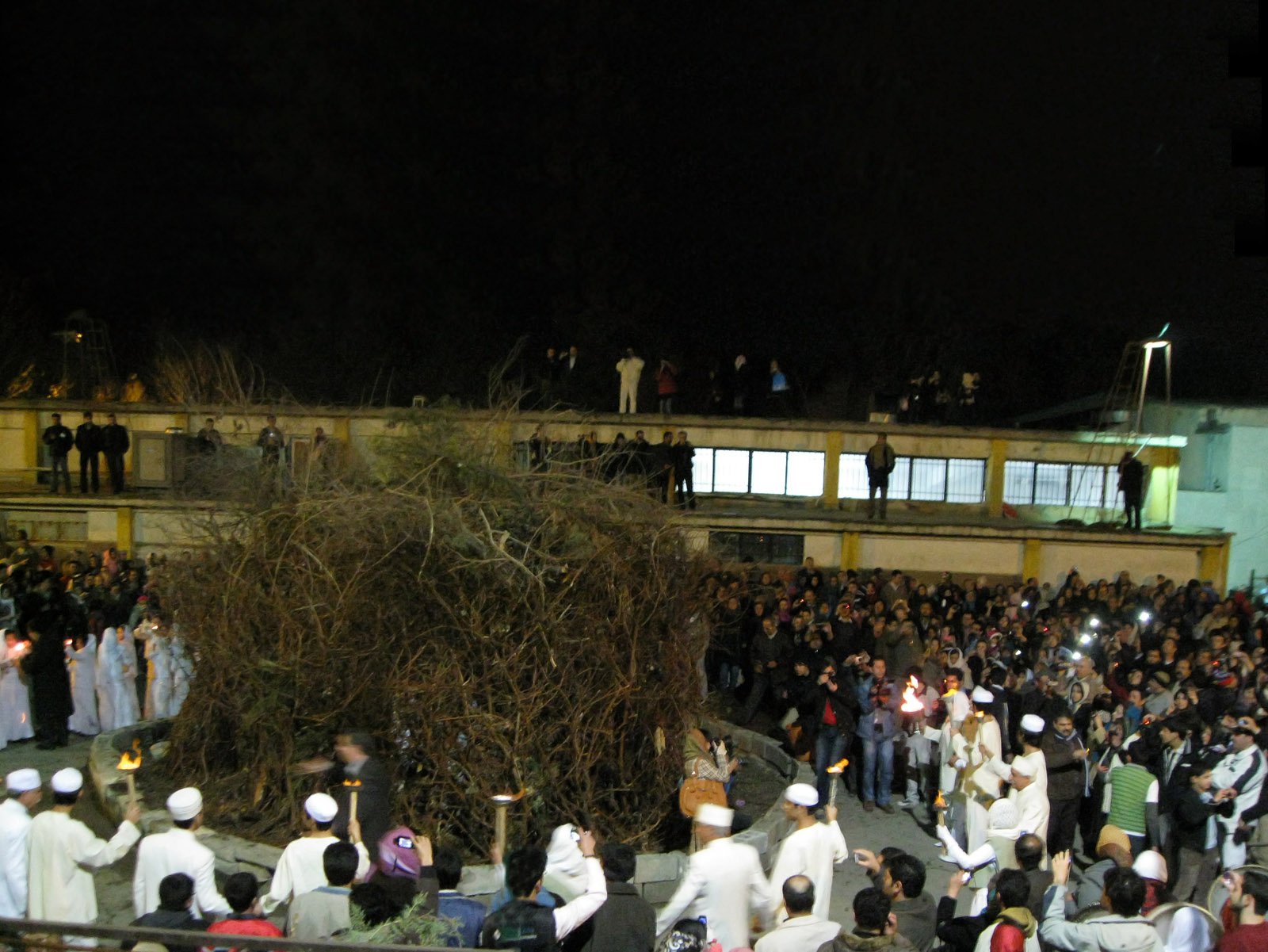
On the evening of 30 January, as darkness falls, Zoroastrian priests in white robes walk out to a towering pile of brushwood and set it alight. Within minutes the flames are taller than the surrounding buildings, and the crowd that has gathered to watch cheers as the sparks rise into the winter sky. This is Sadeh, one of the oldest festivals in Iran, and since 2023 it has been on UNESCO’s list of the intangible cultural heritage of humanity, inscribed jointly by Iran and Tajikistan, where it is known as Sada.
Sadeh means “hundred” in Persian. Traditionally it falls on the 10th of Bahman, which is 30 January, a hundred days and nights after the start of the great winter in the old calendar and 50 days and 50 nights before Nowruz. The fire is meant to warm the earth, drive away the worst of the cold and darkness, and announce that spring is on its way.
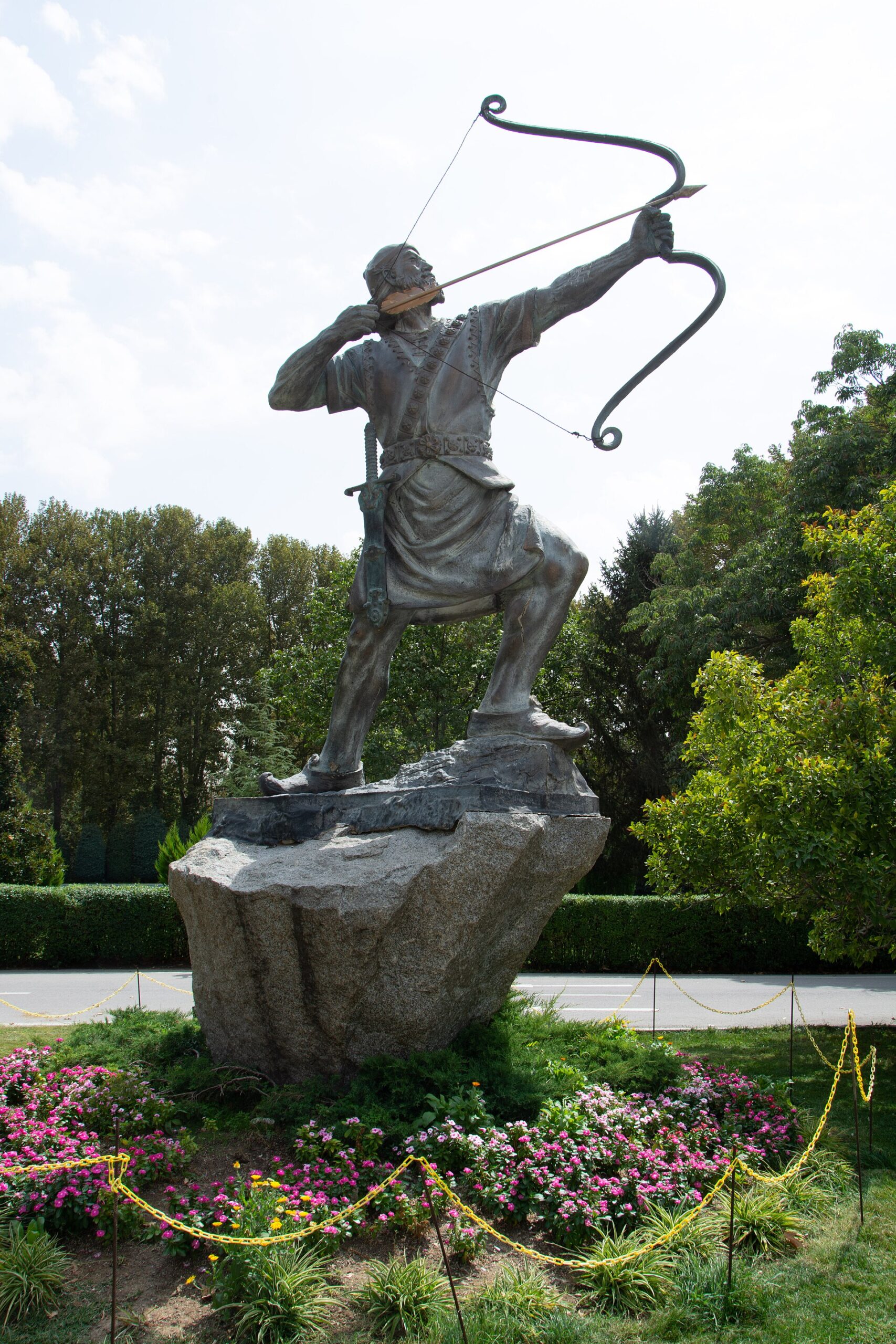
The festival also celebrates the discovery of fire. In Ferdowsi’s Shahnameh, the legendary king Hushang is walking in the mountains when he sees a huge serpent. He hurls a stone at it, misses, and the stone strikes a rock, throwing out sparks that set the brushwood ablaze. The serpent escapes, but Hushang has found fire, and he gives thanks by holding a great feast around it. That feast, the story goes, was the first Sadeh.
Sadeh was a major festival in the courts of the Persian kings and was still being celebrated with spectacular fires centuries after the arrival of Islam. Today it is kept above all by Iran’s Zoroastrian communities. The largest celebrations are in Kerman, where thousands of people of every faith gather to watch the bonfire, and there are well-attended fires in Yazd, Shiraz, Isfahan and Tehran. In the countryside the day had a practical meaning too: according to the UNESCO listing, it marked the start of preparing the fields for spring, with farmers fertilising their land and villagers cleaning streams and repairing bridges after the festival.
How Sadeh is celebrated. Preparations begin days in advance, when people gather and stack the wood. On the day, mobeds (Zoroastrian priests) recite prayers before lighting the fire at sunset, often walking around it with torches. There is music, poetry and dancing, and families share dried fruit, nuts and sweets. In Tehran, the Zoroastrian community lights its Sadeh fire at its own grounds, including the Markar complex, and the event is often open to visitors. Dress warmly, arrive before sunset and check the time and place with the local Zoroastrian association, as arrangements change from year to year.
When is Sadeh? The next Sadeh falls on Saturday 30 January 2027 (10 Bahman 1405). It follows the winter solstice festival of Yalda and comes before the fire-jumping of Chaharshanbe Suri, the other great fire festival of the Iranian year. For the full calendar, see our guide to the ancient festivals of Iran.
Header image: The Sadeh bonfire at the Markar complex in Tehran. Photo: Farzad j / Wikimedia Commons, Public domain