Updated November 2026 Mongolia joined the UNESCO Nowruz listing in December 2024, bringing it to 13 countries, and Afghanistan no longer treats Nowruz as an official holiday; both changes are reflected below.
Nowruz is often thought of as an Iranian festival, but the Persian New Year is celebrated across a broad stretch of Asia and beyond, from the Caucasus and Central Asia to the Kurdish region of Iraq, parts of the Balkans and diaspora communities worldwide. The countries that celebrate Nowruz are, in most cases, places that were once inside or on the edges of the Persian world, where the spring-equinox new year outlasted every empire that came and went.
Why so many countries celebrate Nowruz
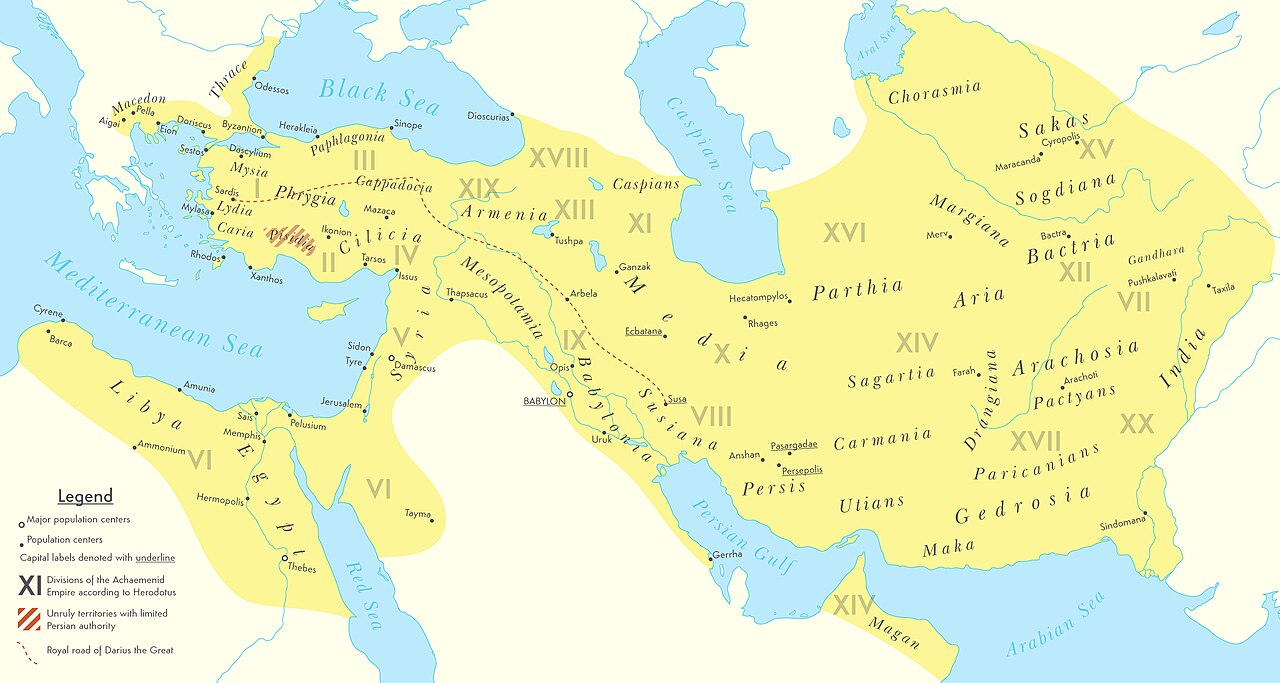
For more than two thousand years, Persian empires and Persian-speaking courts shaped a huge region. At its height in the 5th century BCE, the Achaemenid Empire ran from the Aegean to the Indus. Later dynasties, and Turkic rulers who adopted Persian as their language of culture and government, kept Persian poetry, court customs and the solar calendar in use across Central Asia and beyond.
Nowruz survived because it is tied to things that do not change with politics: the seasons, farming and family. It falls at the spring equinox, usually 20 or 21 March, and each country has layered its own foods, names and customs on top.
Not every Nowruz country was ruled from Persia. Some sat on its borders, some absorbed Persian culture through language and literature, and in the Balkans the festival arrived much later through religious communities.
International recognition followed in the 21st century. UNESCO first inscribed Nowruz on its intangible heritage list in 2009, extended the listing to 12 countries in 2016, and added Mongolia in December 2024. The UN General Assembly proclaimed 21 March the International Day of Nowruz in 2010.
Where Nowruz is celebrated
| Country or region | Local name | Notes |
|---|---|---|
| Iran | Nowruz | The biggest holiday of the year, around two weeks long |
| Afghanistan | Nawroz | Widely loved, but no longer an official holiday |
| Azerbaijan | Novruz Bayramı | Multi-day public holiday |
| Tajikistan | Navruz | Public holiday |
| Uzbekistan | Navruz | Public holiday |
| Turkmenistan | Nowruz | Public holiday |
| Kazakhstan | Nauryz | Multi-day public holiday |
| Kyrgyzstan | Nooruz | Public holiday |
| Iraq (especially Kurdistan region) | Newroz | Major Kurdish festival |
| Georgia | Novruz | Marked mainly by the Azerbaijani community |
| Albania and Kosovo | Nevruz | Marked by Bektashi communities; Albania’s holiday is on 22 March |
| Mongolia (Bayan-Ölgii) | Nauryz | Celebrated by the Kazakh community in the far west |
Nowruz is also celebrated in parts of Turkey, Pakistan, India (where Parsi communities mark Navroz), western China, and by Iranian, Afghan, Kurdish and Central Asian communities in Europe and North America.
Iran
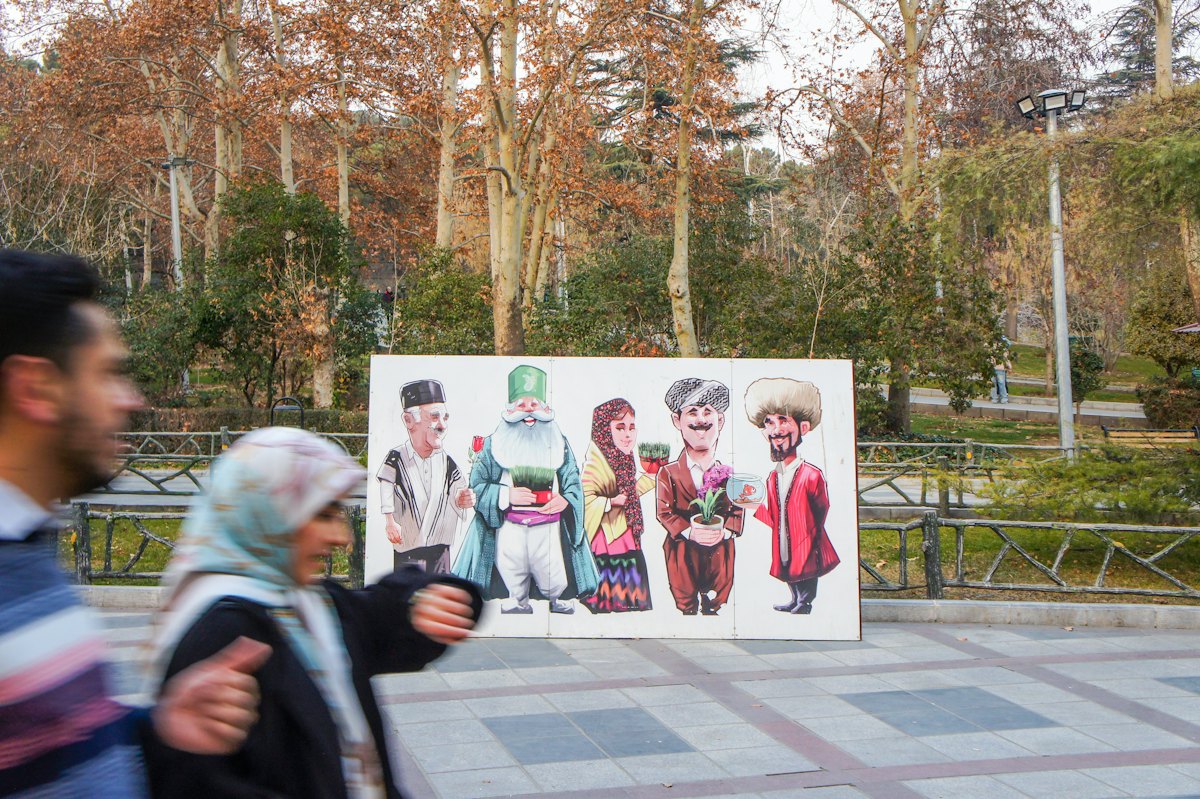
In Iran, Nowruz is the main event of the year. The season starts with the spring clean and Chaharshanbe Suri, when people leap over bonfires on the last Tuesday night of the year. Families gather around the Haft-Seen table at the moment of the equinox, then spend nearly two weeks visiting relatives and exchanging gifts before heading outdoors on the 13th day. Our Nowruz guide covers it in full.

Afghanistan
Much of today’s Afghanistan, including ancient Bactria and the city of Balkh, belonged to the eastern Persian world, and Dari, one of its official languages, is a form of Persian. Nawroz traditionally meant family visits, picnics, the festival at Mazar-i-Sharif and haft mewa, a mix of seven dried fruits and nuts soaked in water. Nowruz is no longer an official public holiday in Afghanistan, and celebrations there are now mostly private, according to RFE/RL.
Central Asia
Tajikistan has the closest link of all, since Tajik is itself a form of Persian. Navruz brings family visits, special dishes and large public events.
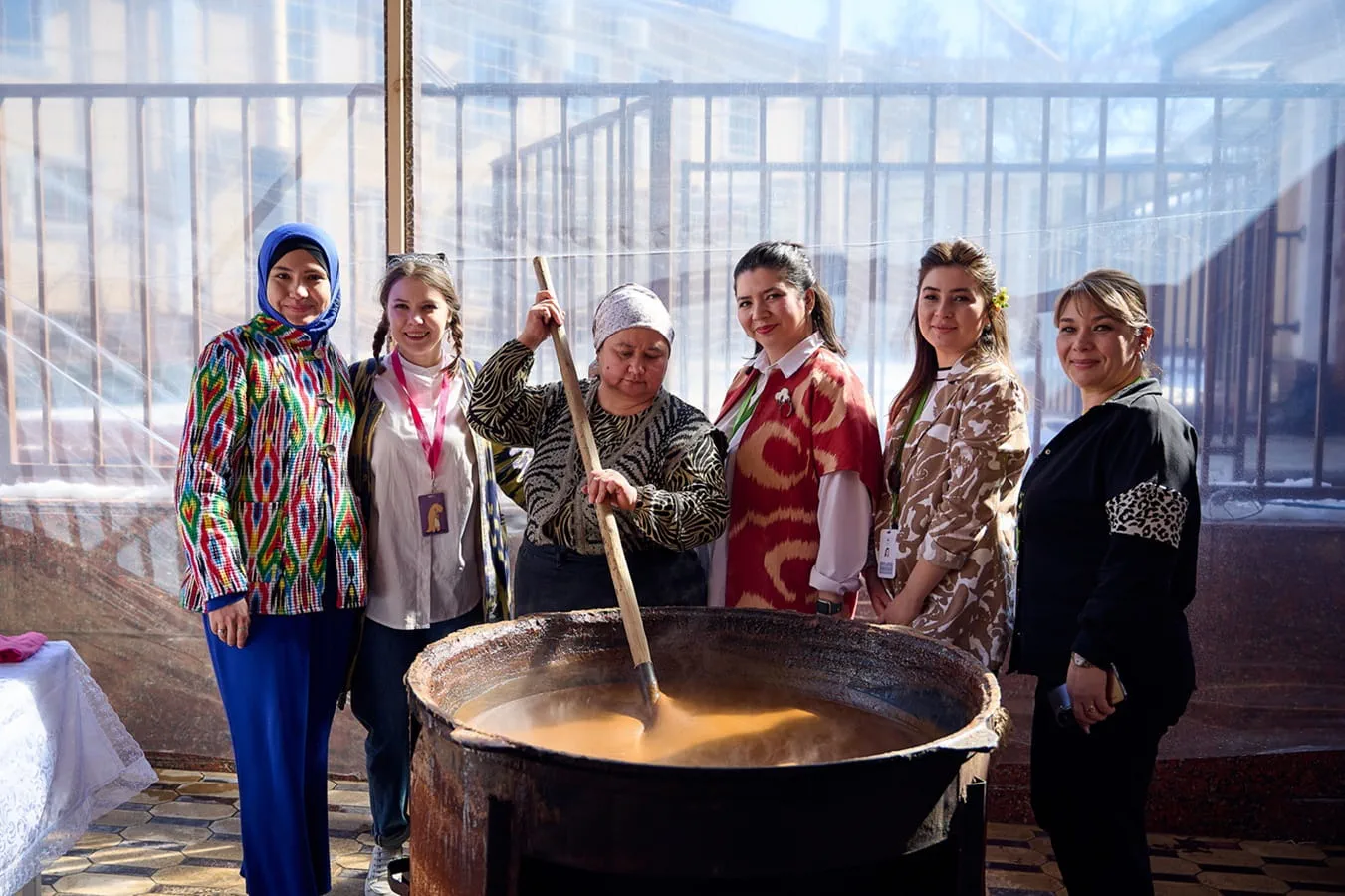
Uzbekistan celebrates Navruz with sumalak, a sweet paste made by slowly cooking sprouted wheat for many hours, often overnight, with neighbours taking turns to stir. Samarkand and Bukhara were for centuries centres of Persian learning and court life, even under Turkic rulers. Many families also visit the graves of relatives at this time.
Kazakhstan and Kyrgyzstan are Turkic-speaking with nomadic roots and their own spring traditions. Kazakhs drink nauryz kozhe, a hearty drink-like soup made from several grains, meat and dairy. In both countries the holiday was revived as a public celebration after independence from the Soviet Union.
Turkmenistan, lying between Iran and the rest of Central Asia, also keeps Nowruz as a public holiday with family visits, traditional food and spring festivities.
Azerbaijan
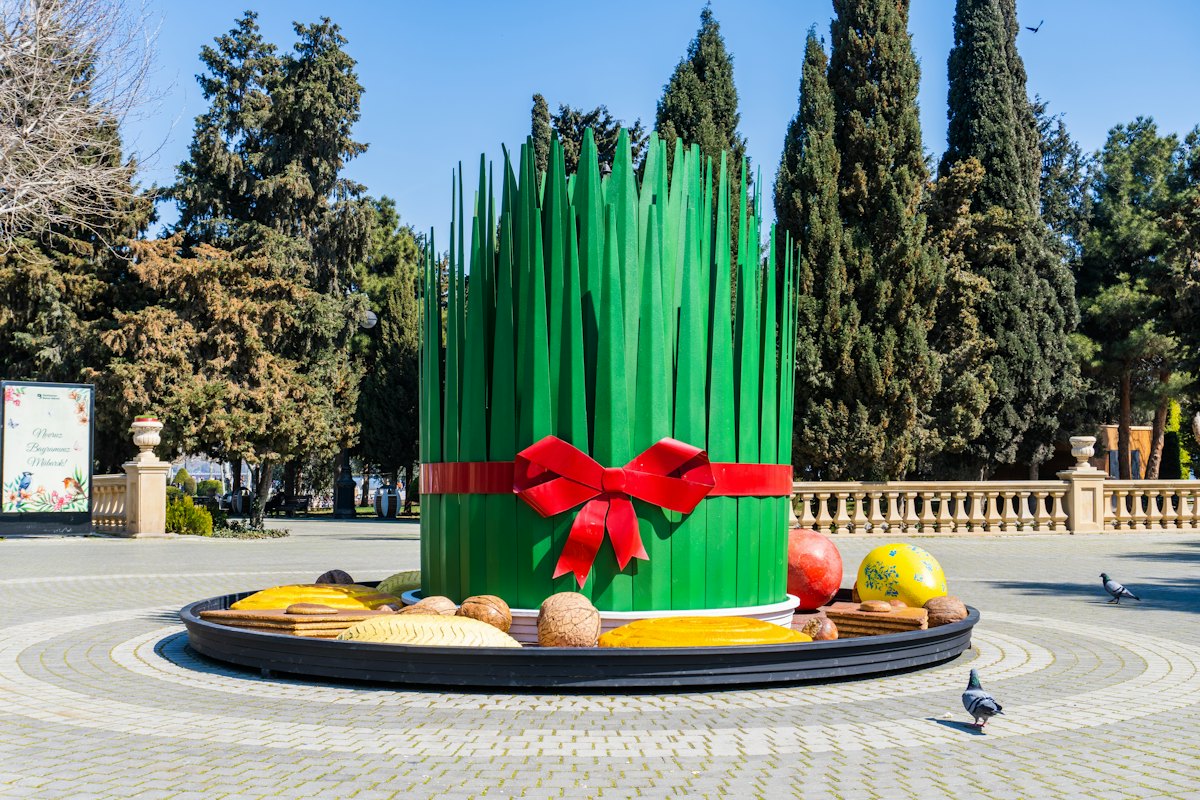
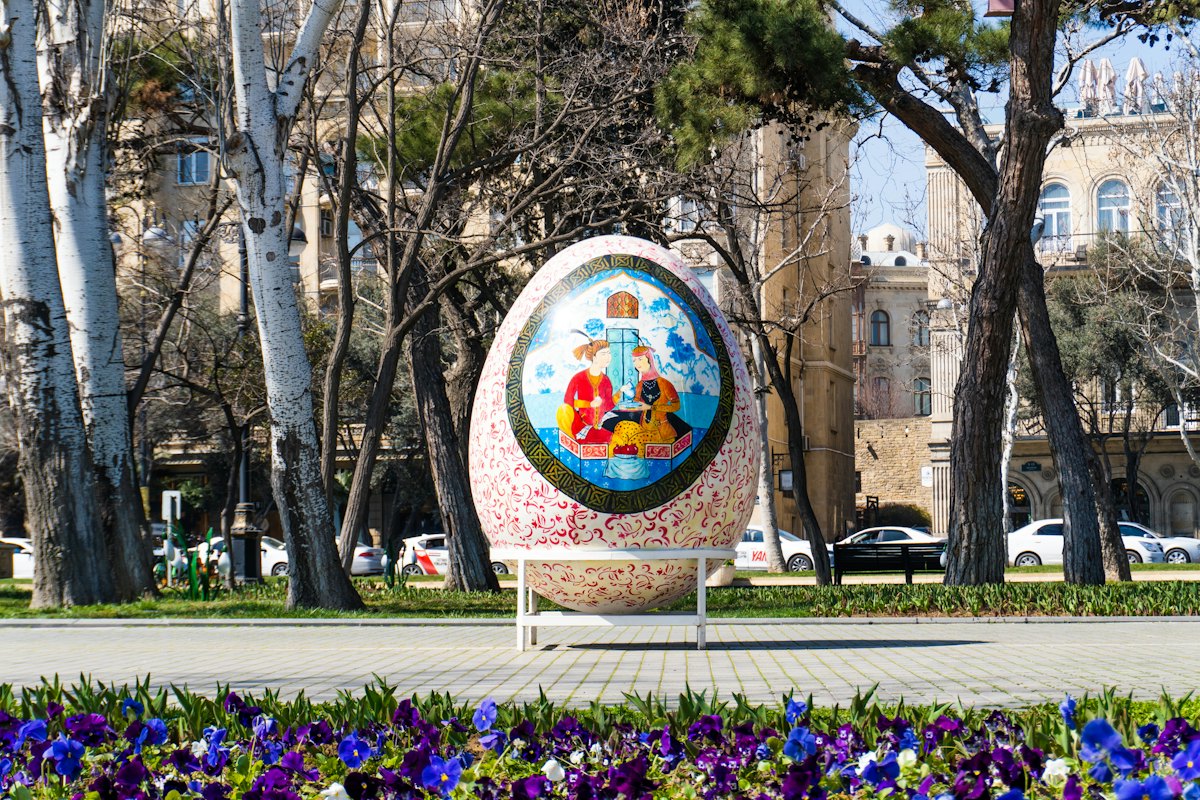
Azerbaijan’s lands were long within or alongside Persian empires, and Novruz Bayramı is one of its biggest holidays. The run-up is marked by four Tuesdays, each linked to an element: water, fire, earth and wind. Homes display samani, trays of green wheat sprouts, and painted eggs, and bonfires are lit on the last Tuesday.
Iraq’s Kurdistan region and Georgia
For Kurds, Newroz is a major festival of spring and identity. Kurdish is an Iranian language, and the celebrations centre on bonfires and the legend of Kawa the Blacksmith, who is said to have overthrown a tyrant king. In Georgia, which spent centuries as a frontier between the Persian, Ottoman and Russian empires, Novruz is marked mainly by the ethnic Azerbaijani community in the south-east.
Albania, Kosovo and Mongolia
In Albania and Kosovo, Nevruz came by a different route. It reached the Balkans through the Ottoman world and is celebrated by Bektashi Sufi communities, with Albania marking it as a holiday on 22 March. In Mongolia, Nauryz is celebrated in Bayan-Ölgii, the western province with a large Kazakh population, reflecting Kazakh tradition rather than any Persian past.
How to spell Nowruz
You will see Nowruz, Norooz, Nawroz, Navruz, Novruz, Nauryz and Newroz, among others. The variations reflect local pronunciation in Persian, Dari, Uzbek, Azerbaijani, Kazakh and Kurdish. Nowruz is the form used by UNESCO and the UN, and it works well as a general spelling. When writing about a particular country, the local form is a nice touch.