Updated November 2026 We have rechecked opening hours, the museum’s layout and directions; confirm it is open before you go, as Tehran’s museums reopened in stages after the 2026 conflict.
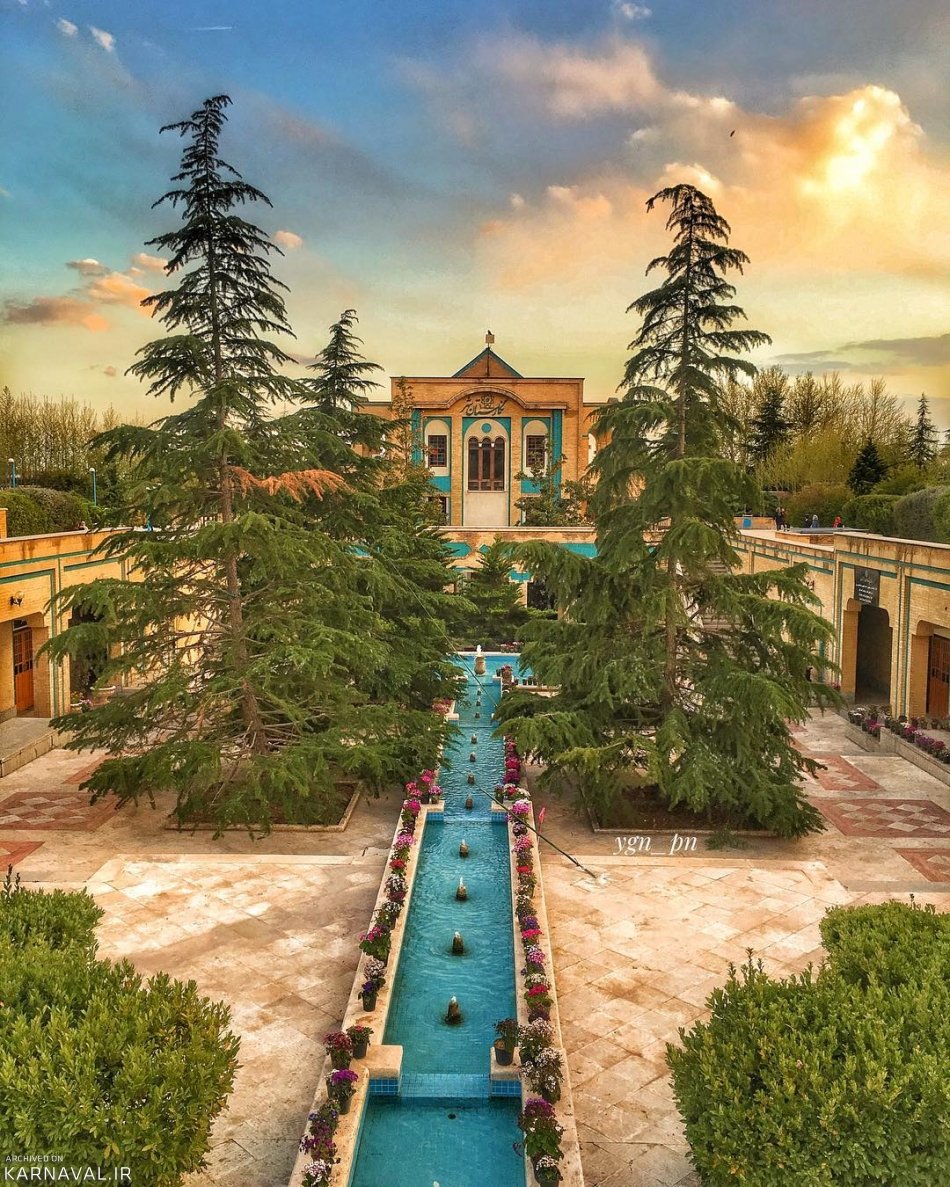
The Holy Defense Museum in Tehran, officially the National Museum of the Islamic Revolution and Holy Defense, tells the story of the 1980–1988 Iran–Iraq War from Iran’s point of view. It is one of the largest and most ambitious museums in the city, set in landscaped grounds in the Abbas Abad district, and it gives visitors a clear sense of how the war is remembered in Iran today.
What to expect inside
The museum is arranged as a sequence of themed halls that move roughly in chronological order. The early sections cover the background to the war, including the 1979 revolution. The core of the museum then follows the conflict itself through photographs, film, maps, weapons and uniforms, before later halls turn to the people who died, civilian life during the war, and its long aftermath.
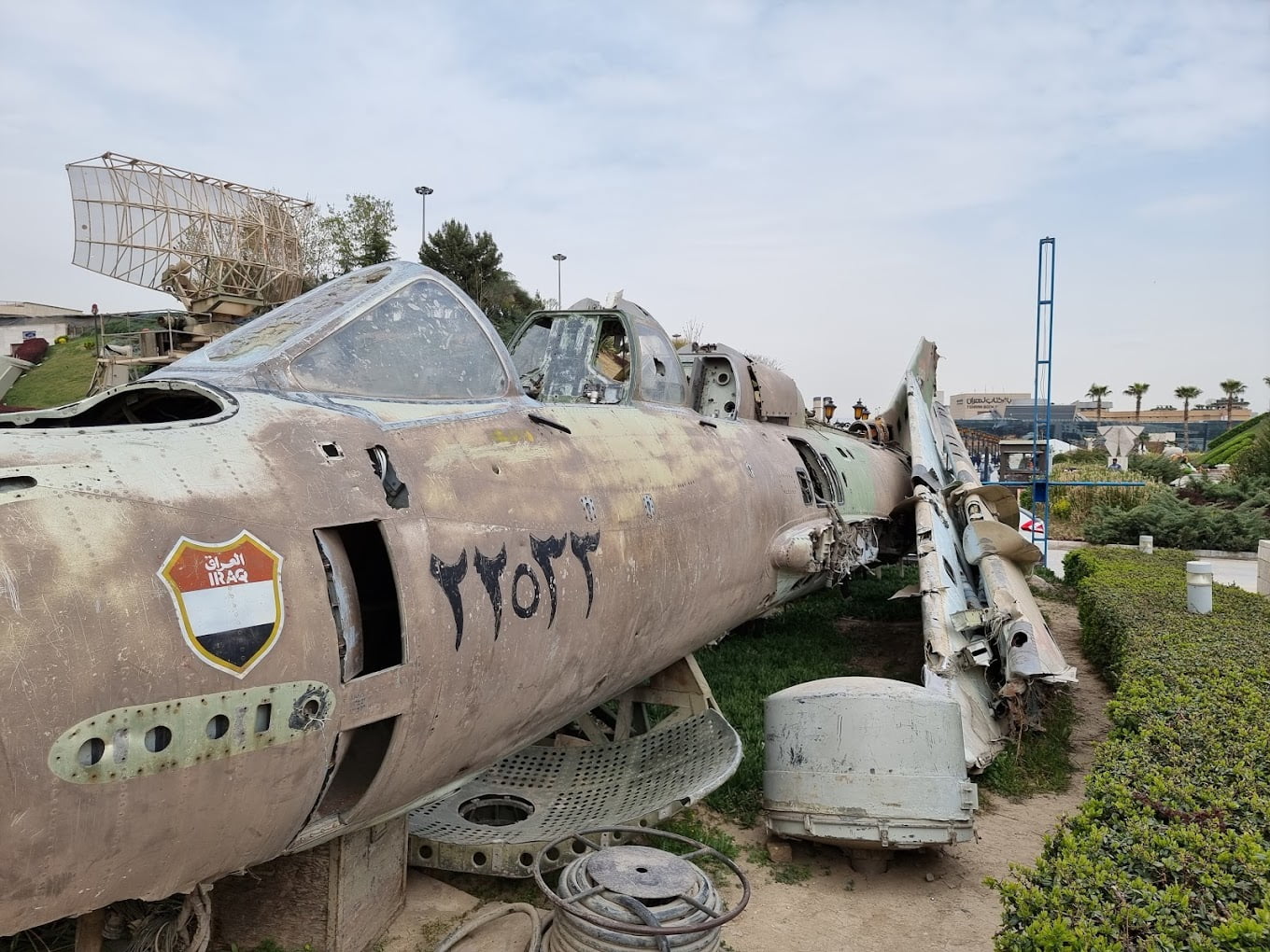
What makes the visit memorable is how immersive some of it is. One section recreates the bombed streets of Khorramshahr, the southern city that saw some of the heaviest fighting, complete with damaged buildings and abandoned belongings. Elsewhere, interactive rooms try to convey frontline conditions, from desert heat to cold, and the entrance hall displays personal possessions of those killed. Outside, the grounds are lined with tanks, artillery, missiles and aircraft, which many visitors find as interesting as the indoor galleries.
Be aware that the museum presents an official narrative of the war, and it does so with emotional force. Some displays are graphic and loud, so it is not ideal for young children. Not all sections have English labels, and at least one hall is in Persian only, so a Persian-speaking companion or guide will help you get more from the visit.
There is also a library and research centre on site, open to the public, which is useful for anyone studying the period.
Opening hours and tickets
- Saturday to Thursday: 9am to 5pm
- Friday: 11am to 5pm
- Tickets: sold at the entrance. See our Iran prices tracker for current costs.
Museums across Iran closed during the conflict that began in February 2026 and reopened gradually after the April ceasefire, some with reduced displays, as The Art Newspaper reported. Check current hours locally or by phone before making the trip.
Getting there
The museum sits beside the Haghani Expressway in Abbas Abad, close to the Tehran Book Garden, so the two make a good pairing for a day out. By metro, take Line 1 to Shahid Haghani station and walk from there. A taxi or a Snapp ride is the easiest option from most parts of the city.
Tips for visiting
- Allow at least three hours; the site is large and the outdoor exhibits alone take a while.
- Wear comfortable shoes and, in summer, go early before the grounds heat up.
- Weekday mornings are usually quieter than Fridays and holidays.
- Dress as you would for any public building in Tehran, and ask before photographing staff or other visitors.