
Updated November 2026 We have corrected the museum’s history and opening date, and refreshed the directions and visiting tips.
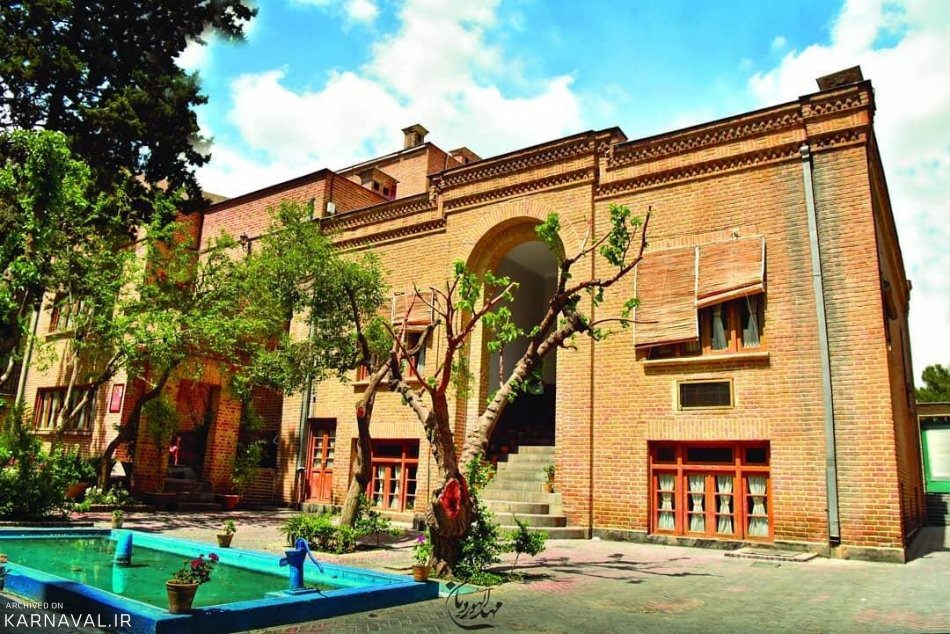
The Artak Manookian Armenian Museum in Tehran is a small but rewarding museum in the courtyard of the Holy Mother of God Church (Surp Asdvadzadzin, often called St Mary’s), in the old Armenian quarter downtown. Officially the Armenian National Ethnographic Museum, it tells the story of Iran’s Armenian community through religious treasures, clothing, documents and photographs, and it makes an easy add-on to a walk around central Tehran.
The museum is named after Archbishop Artak Manookian (also spelt Ardak Manukian), who led Tehran’s Armenian diocese for decades, including the years after the 1979 revolution, and died in the city in 1999. It opened in a building beside the church in 2000, and many of its pieces were donated by local Armenian families, which gives the collection a personal, community feel.

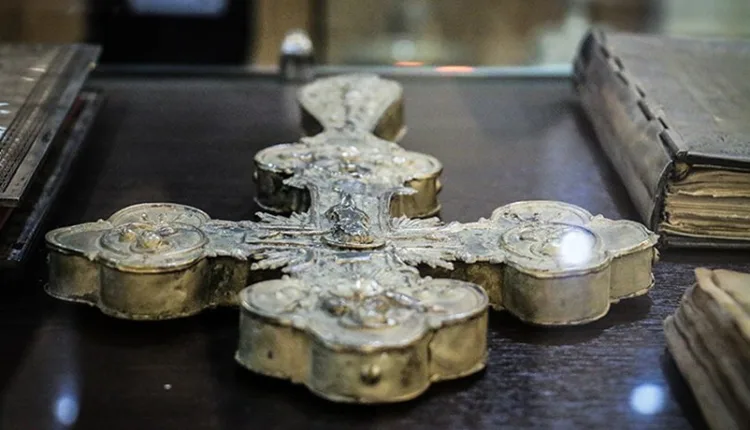
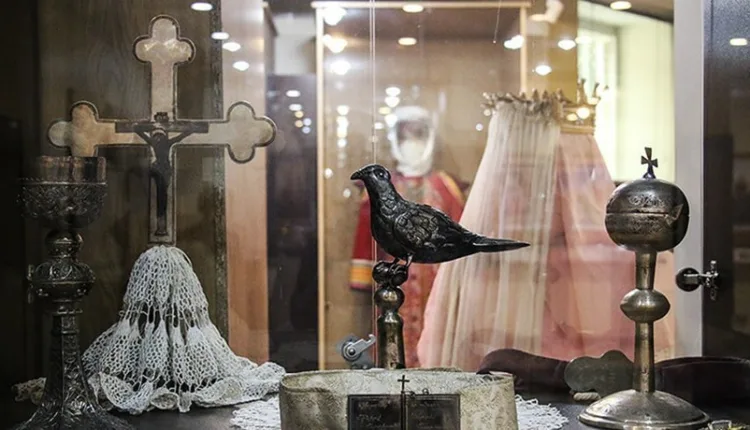
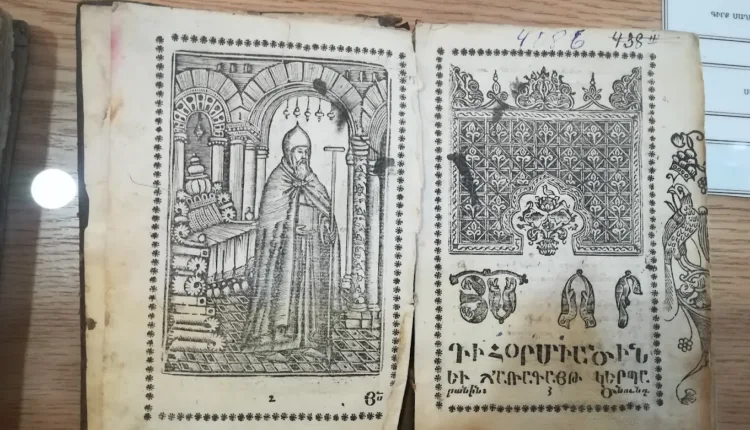
Inside, the highlights are the liturgical objects: crosses, chalices, embroidered vestments and items used in Easter services and the ritual of the Last Supper. Handwritten religious books and old bibles sit alongside photographs of Armenian churches across Iran, from Tabriz and the north-west to New Julfa in Isfahan.
Another room is given over to traditional Armenian women’s dress from different periods, showing how styles changed over the generations. There are also coins and banknotes, portraits of prominent Iranian-Armenians, works by Armenian artists, and the archbishop’s own documents and personal belongings, including mementos of his meeting with the Pope.
Look out for copies of Alik, the Armenian-language daily that has been published in Tehran since the early 1930s and is still going today. It is a reminder of how established the community has been in the capital for generations.
Give yourself time to look at the church itself. Built from grey basalt from 1938 and consecrated in 1945, it was for many years the seat of the Armenian archbishop in Tehran, and it has been listed as a national monument since 2002. The grave of Yeprem Khan, the Armenian commander who played a leading role in Iran’s Constitutional Revolution, is in the grounds.

The church and museum sit between Mirza Kouchak Khan Street and Masoud Saad Street, near Jomhouri Avenue. The closest metro station is Ferdowsi on Line 4, a short walk away; any taxi or Snapp driver will know the area if you ask for Kelisa-ye Maryam-e Moqaddas. Opening times can be limited and change around religious holidays, so it is worth checking with the church office or a local guide before you go, and dress modestly as you would for any place of worship.
The museum pairs well with a tour of the neighbourhood’s other Christian sites, which we cover in our guide to the two oldest churches in downtown Tehran.