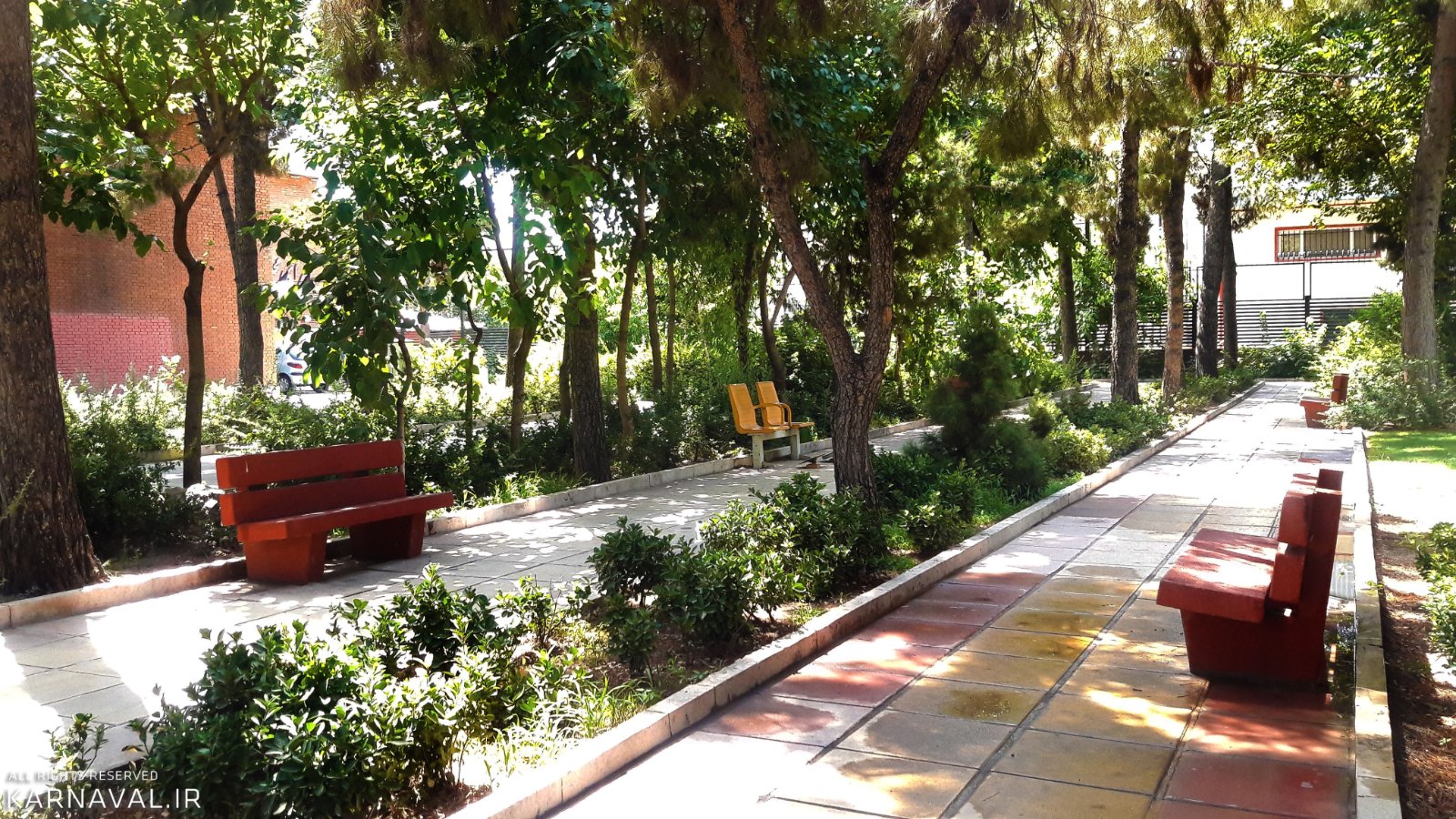
Hidden in the residential streets near Heravi Square in north-east Tehran is a little-known Qajar treasure: the garden and mansion of Ein-od-Dowleh. Once a country estate far outside the city walls, it was saved from development by the municipality and restored, and it now houses an art gallery and a quiet garden that few visitors to Tehran ever find.
History. The estate belonged to Abdolmajid Mirza Ein-od-Dowleh, a Qajar prince and prime minister under Mozaffar al-Din Shah who played a leading part in the political battles of the Constitutional Revolution. In his time he owned much of the land in what was then the village of Mobarakabad, north-east of the city, and built this two-storey mansion of around 800 square metres in its garden. Over the following century the estate passed through several hands, and in the 1990s the heirs of its later owner sold it to Tehran municipality. After restoration, it was opened in 2007 to mark the centenary of the founding of the city’s first municipal council, the Baladiyeh.
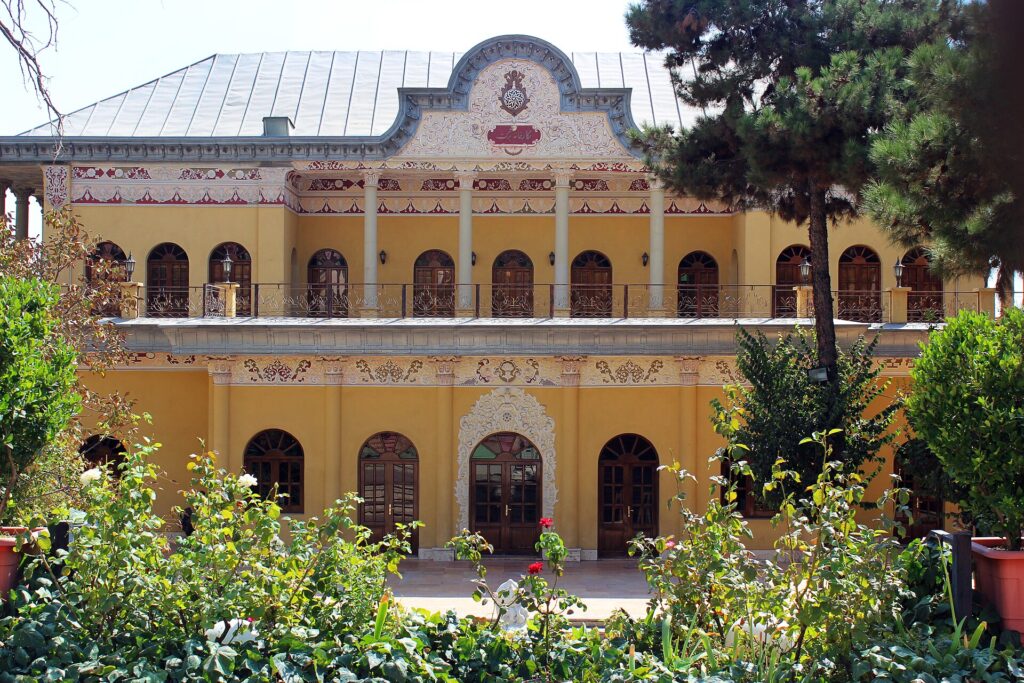
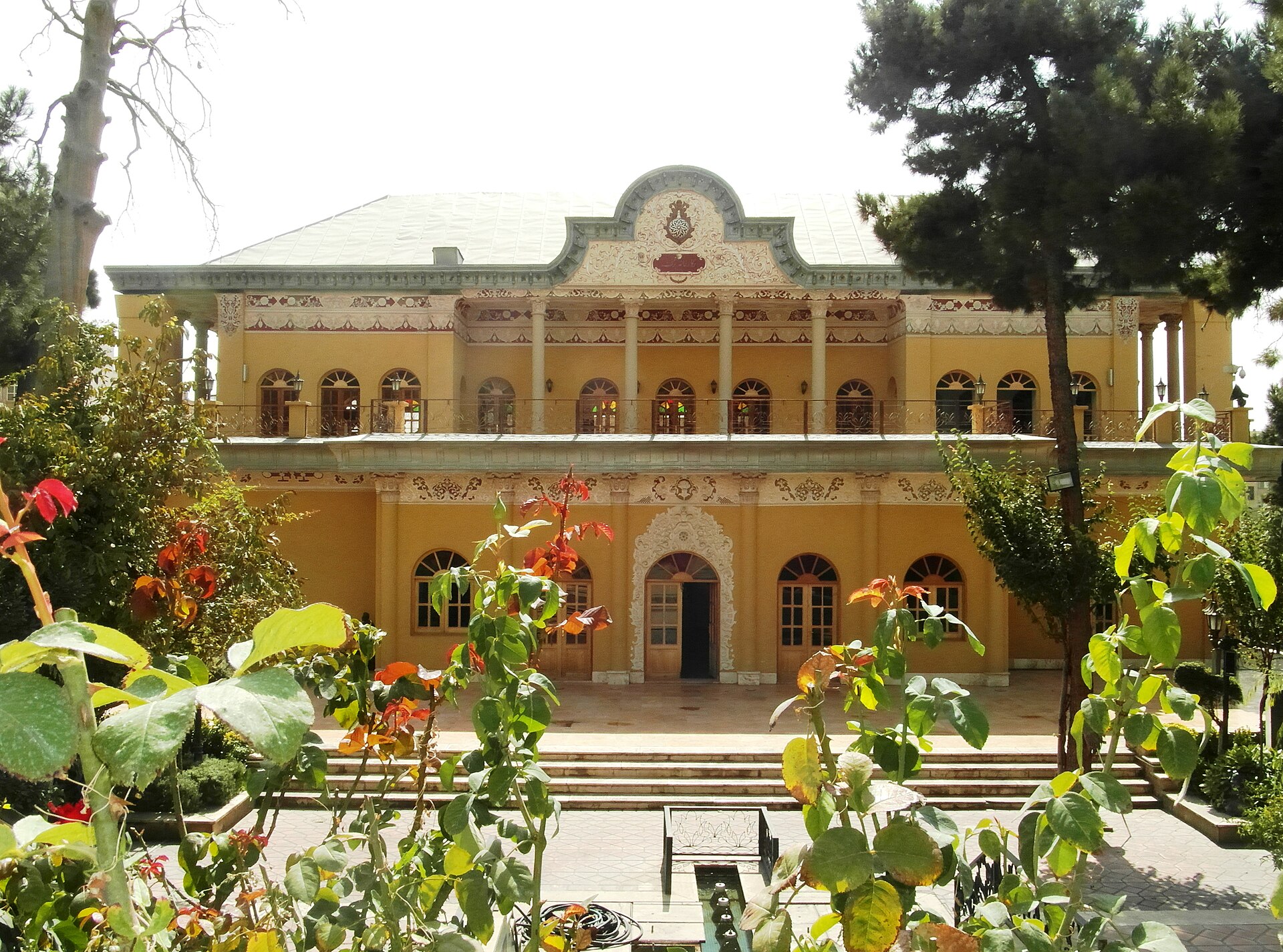
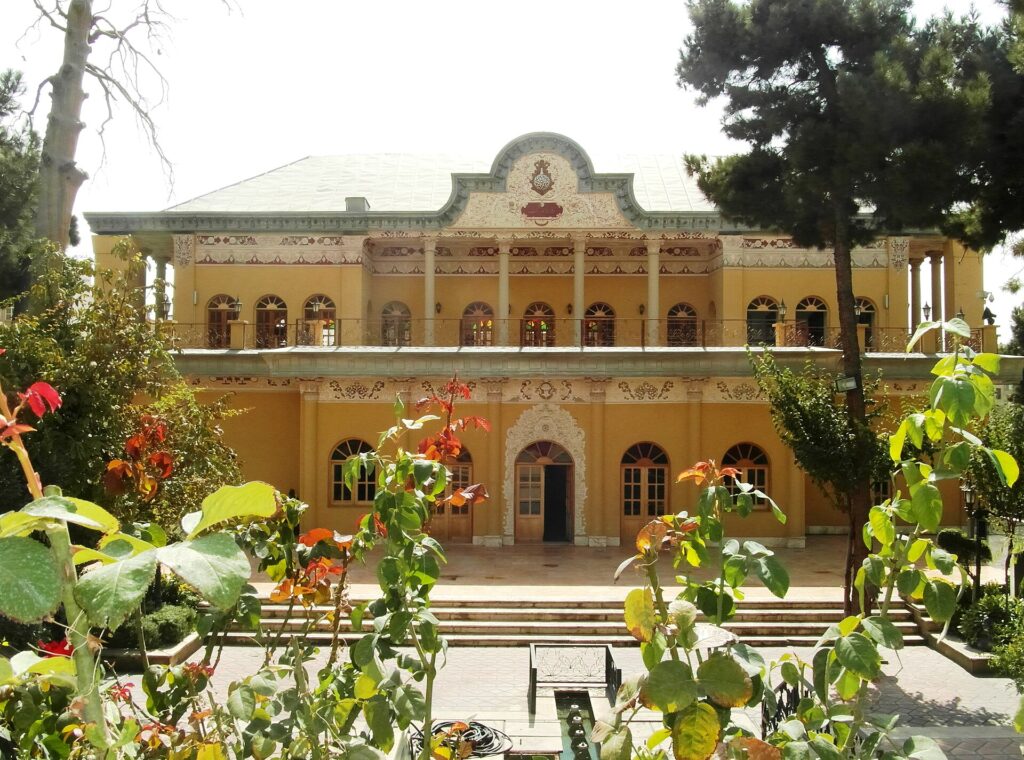
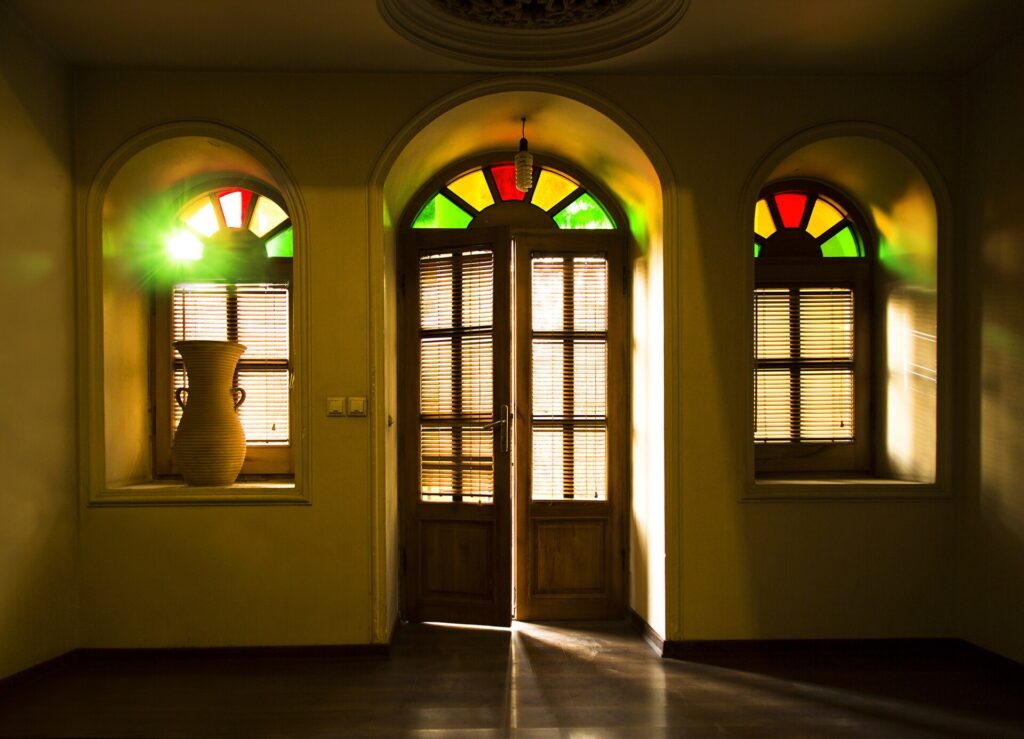
What you will see. The mansion has the classic features of a late Qajar country house: brick façades with arched windows, wooden verandas, coloured-glass sash windows and painted and plastered interiors. The building has been home to the Barg gallery and to offices of the city’s urban beautification organisation, and the garden is dotted with sculptures.
Visiting. The mansion is at No. 17, Jamali Street, off Vafamanesh Street near Heravi Square in the Pasdaran area. It is usually open on weekdays and closed on public holidays. Check before you go, as access depends on the exhibitions and events held there. The nearest metro station is Meydan-e Heravi on Line 3.
Nearby. Combine a visit with a walk in the parks of north-east Tehran, or head to Lavizan Forest Park. For more historic houses, see our guides to Masoudieh Palace, the Imam Jomeh House and Vartan House.