Updated November 2026 We have rewritten this guide to the Darabad museum with current directions from Tajrish and a clearer overview of its halls.
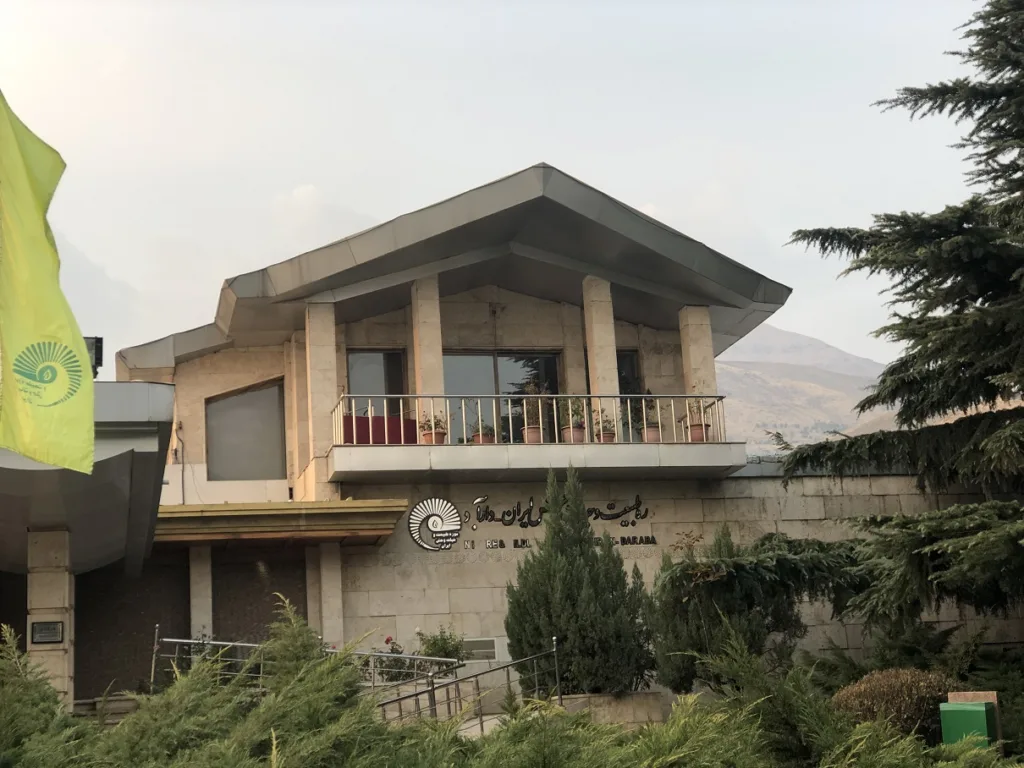
The Nature and Wildlife Museum of Darabad, usually just called the Darabad Museum, is a natural history museum in the foothills of far north Tehran. Run by Tehran Municipality since 1993, it brings together taxidermy halls of animals from Iran and around the world, an aquarium and reptile house, insect and plant collections, a geology hall and a small garden zoo. It sits well off the usual tourist trail, which is part of its charm, and it is one of the best places in the city to take children.
What is inside
The museum’s aim is educational: to show visitors the variety of Iran’s wildlife and landscapes, and to encourage conservation. It is housed in an unfinished Pahlavi-era building that the municipality took over and converted, and the collection is spread across a series of themed halls.
The taxidermy halls are the main draw. One covers Asia, Europe and North America, with large mammals such as bears, big cats and deer; another is devoted to Africa. Two halls focus on Iran, one on the green north of the country and one on the centre and south. The museum stresses that its specimens were not hunted for display: animals that died naturally or were recovered were brought here and prepared by the museum’s own taxidermy workshop.
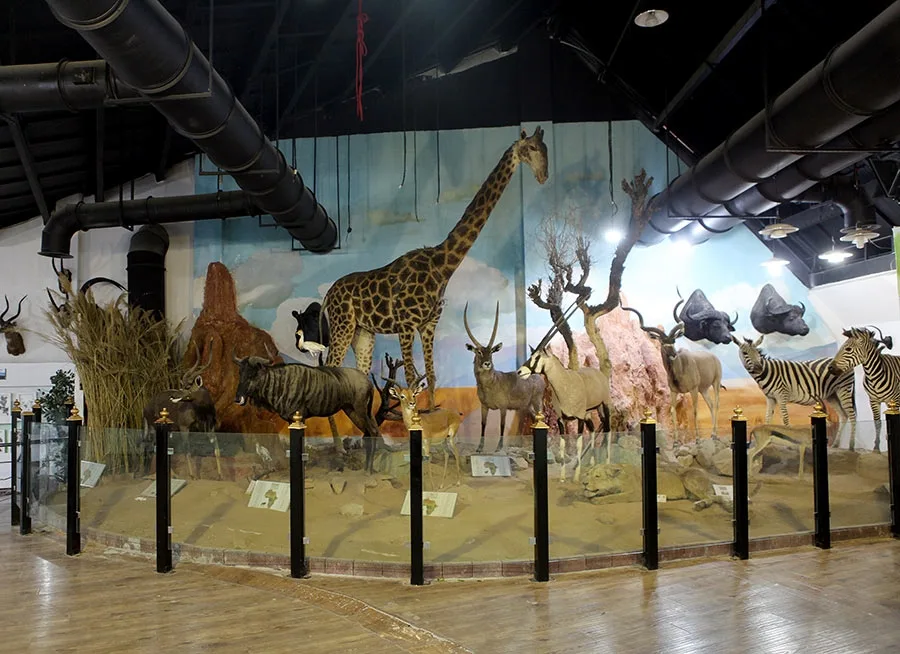
The Iranian halls are where the museum is most rewarding. Look out for the Asiatic cheetah, now critically endangered and a national symbol, and for Pleske’s ground jay, a bird found only in Iran’s eastern deserts. Seeing these species side by side gives a real sense of how varied the country is, from Caspian forest to salt desert.
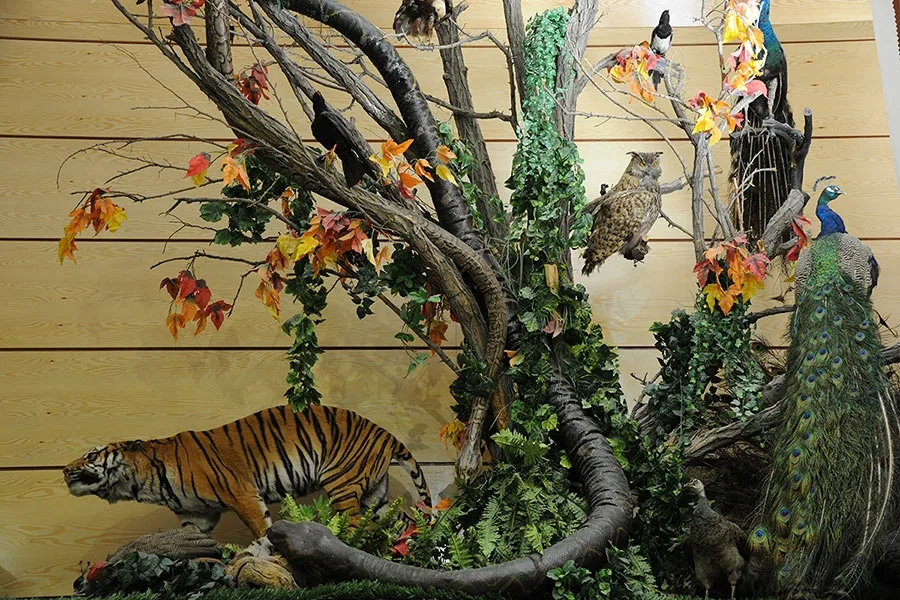
Beyond the big animals, there is plenty more to see:
- Aquatic and reptile hall: live fish and reptiles from the region, including venomous snakes safely behind thick glass.
- Insect section: cases of butterflies and other insects from different continents, popular with younger visitors.
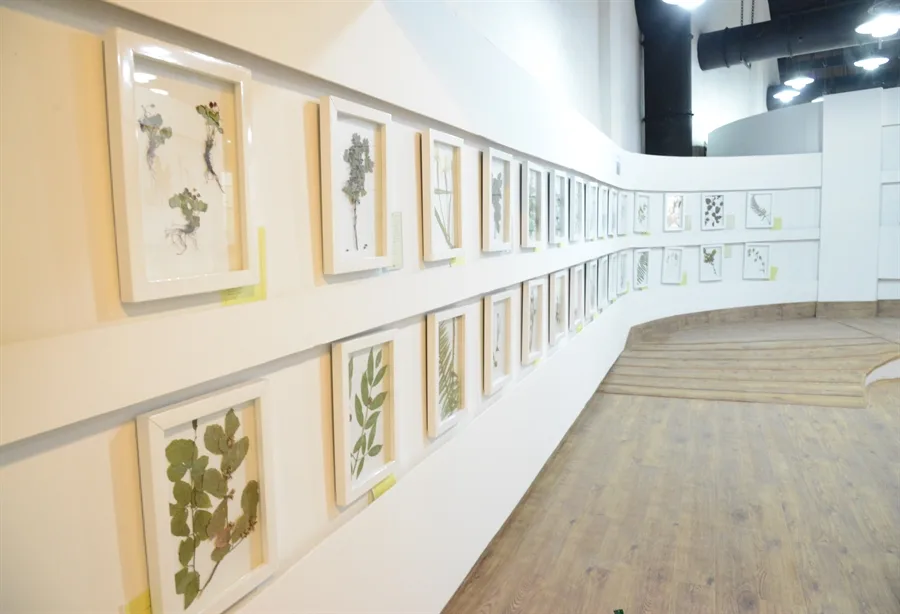
- Botany hall: pressed and dried plants from Iran’s varied climatic regions, laid out along a winding route.
- Geology hall: rocks, minerals and fossils, with displays on the formation of the Earth and the solar system.
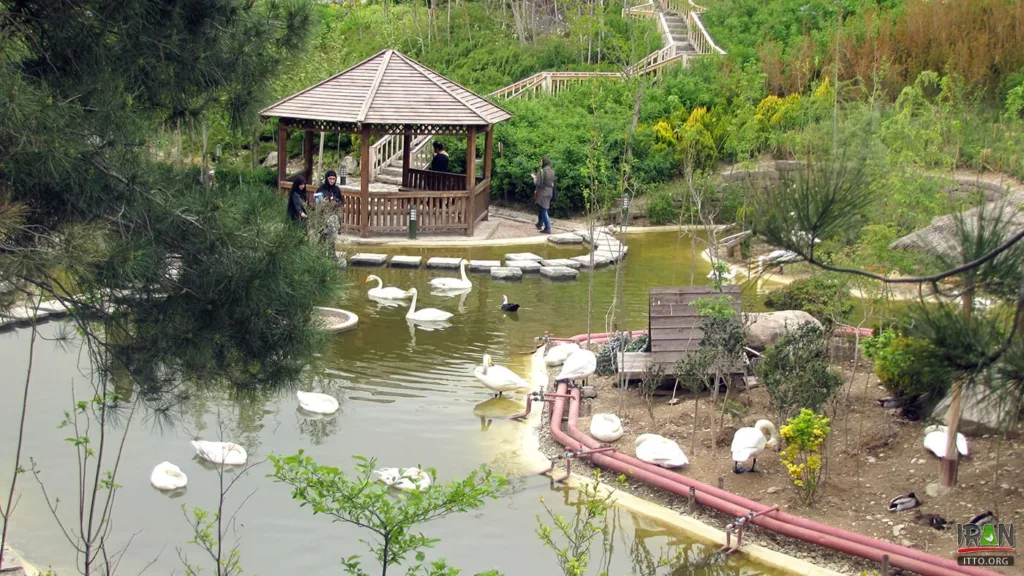
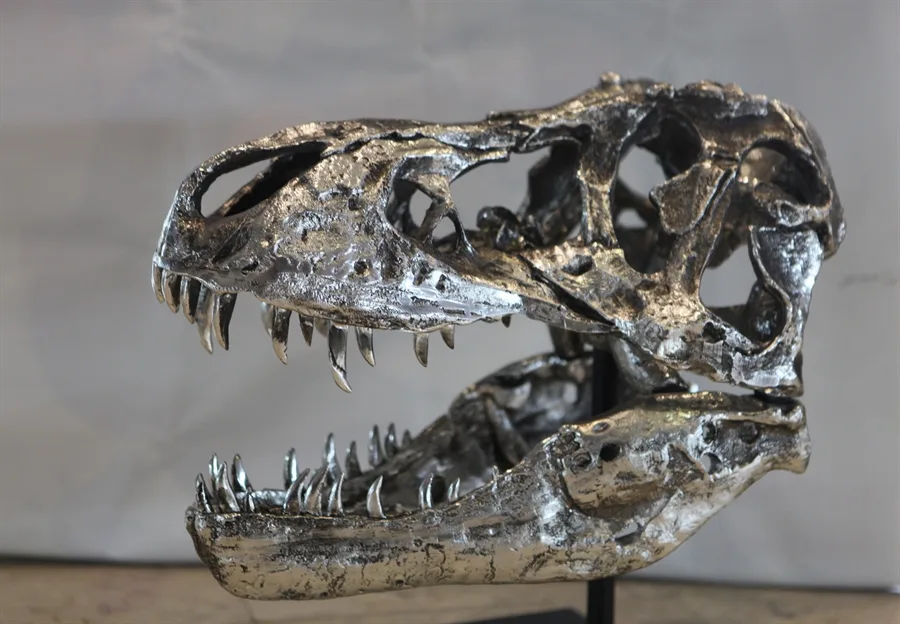
- Courtyard and gardens: a pond, enclosures with peacocks and other birds, and a dinosaur model that children love.
Visiting tips
The museum is at the start of the Darabad area in north-east Shemiran, on a side street known locally as Museum Street (Khiaban-e Muzeh). The easiest approach is to take Metro Line 1 to Tajrish, then a shared or private taxi from Tajrish Square towards Niavaran and Darabad, getting out at the museum turning. Buses also run between Tajrish and Darabad. Snapp is the simplest option from most other parts of the city.
It is open every day from the morning, with later closing times in spring and summer than in autumn and winter. Hours can change on public holidays, so it is worth checking before you go. School groups visit regularly, so the halls can be lively on weekday mornings.
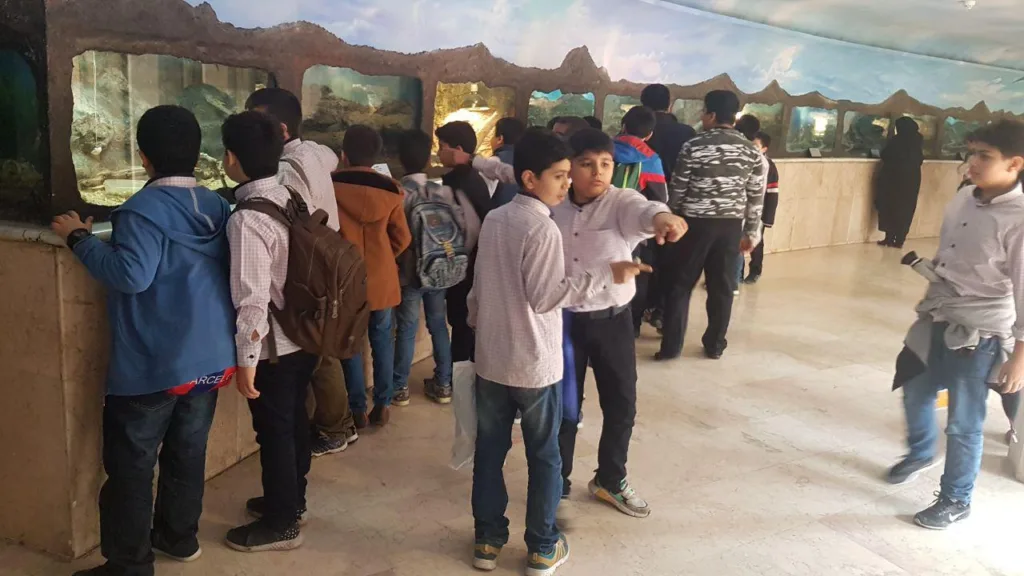
Allow around two hours to see everything at a relaxed pace. The gardens are pleasant for a stroll and photographs, and because the museum sits high on the slopes of the Alborz, you can combine a visit with a walk in Darabad or a meal around Tajrish.
For more ideas, browse our guide to Tehran’s museums and historical sites.