This page contains affiliate links. If you buy through them, LiT may earn a small commission at no extra cost to you. Read our disclosure.
Iran has some of the finest handicrafts and sweets in the world, and the best way to buy them is still in the bazaars of Isfahan, Shiraz, Yazd and Tehran. But if you cannot travel, or you want a present for an Iranian friend abroad, a good number of traditional Persian gifts can be ordered online. One word of caution before you start: many products sold as “Persian” online are made elsewhere, so read the descriptions and check where an item comes from. Rules on importing Iranian-origin goods also differ from country to country, and in the US they are tightly restricted, which is why many sellers there offer Afghan or Spanish saffron instead.
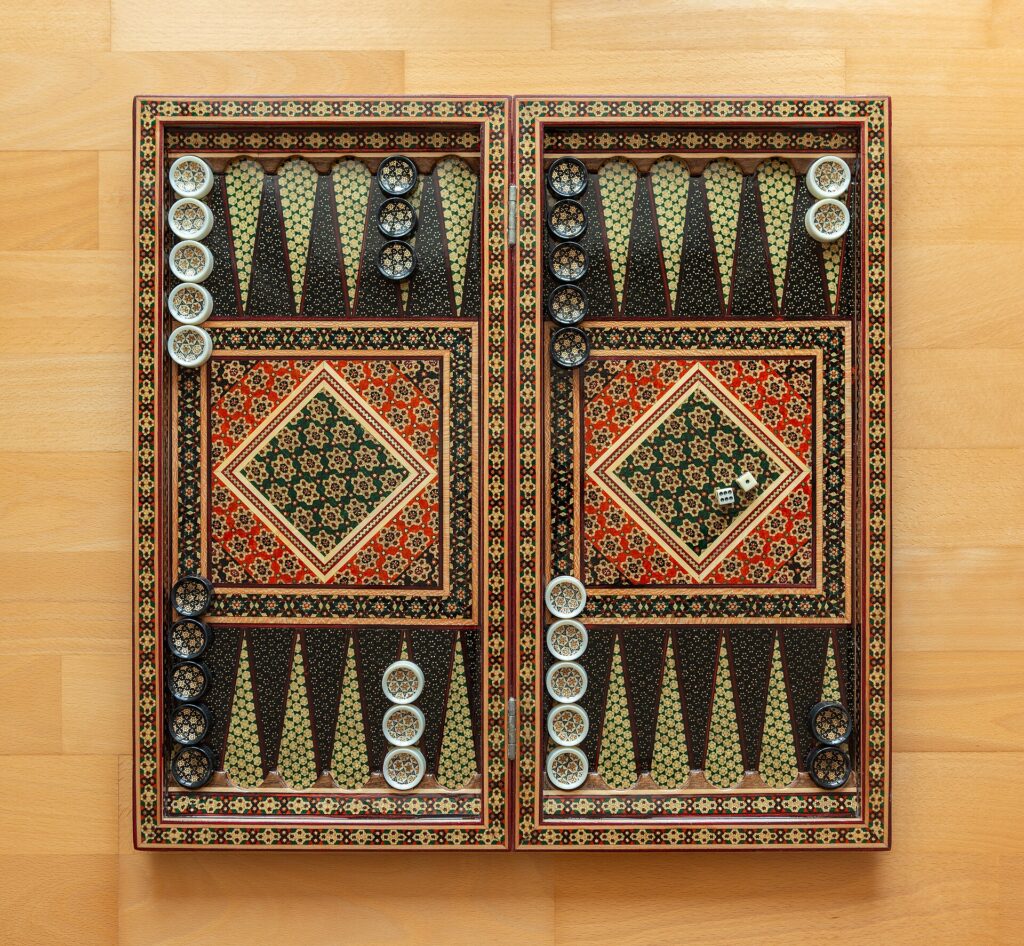
Khatam boxes. Khatam is a form of marquetry in which tiny triangles of wood, bone and metal are glued into rods, sliced and laid into geometric star patterns. A single small box can contain thousands of pieces. Shiraz and Isfahan are the traditional centres. A khatam box or picture frame is light, unbreakable in a suitcase and instantly recognisable to any Iranian.
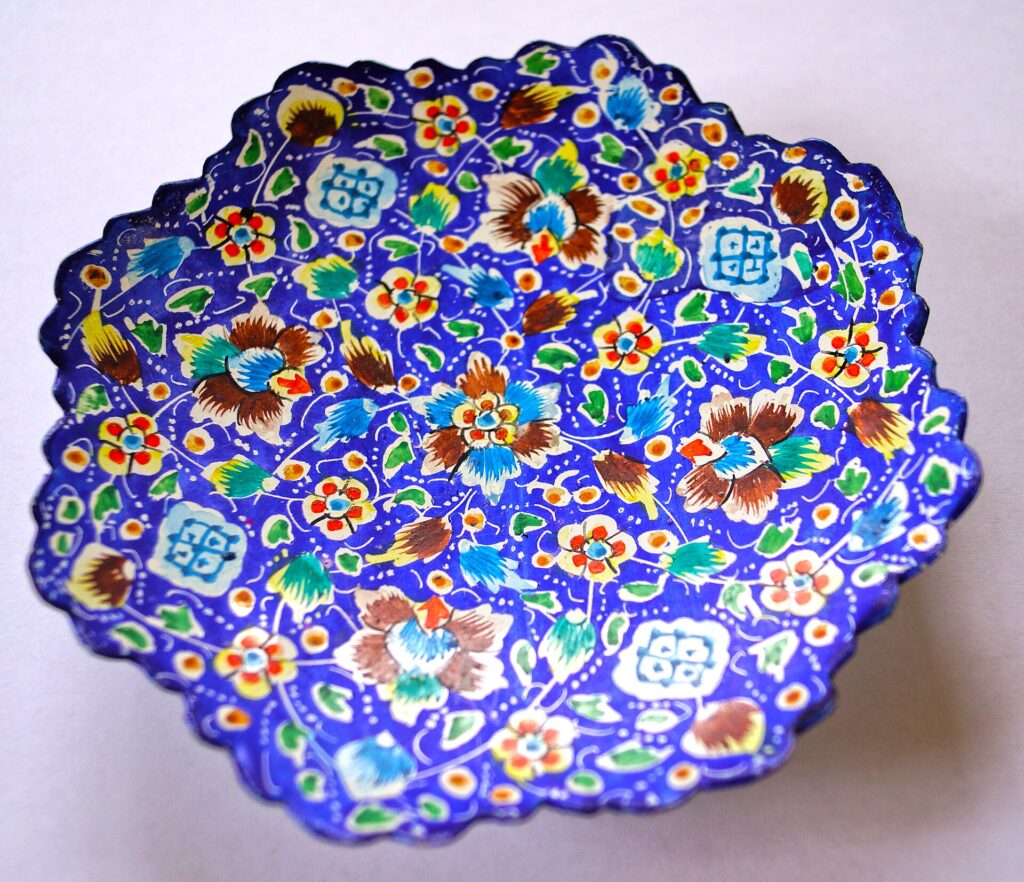
Minakari enamel. Isfahan’s minakari craftsmen paint copper plates, vases and boxes with brilliant blue enamel and fire them repeatedly in a kiln. A small minakari plate is a classic present for a new home.
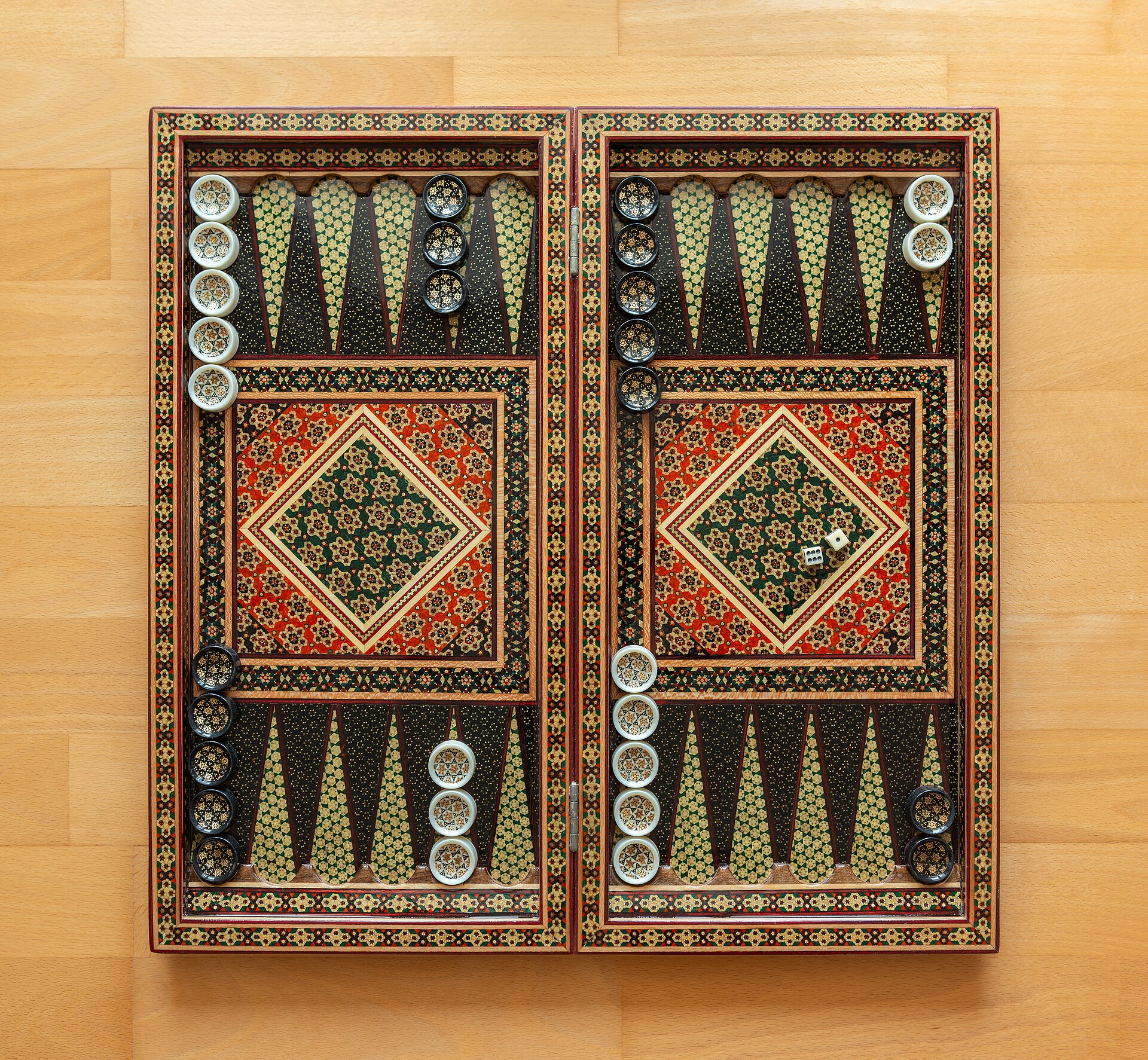
A backgammon board. Takhteh nard, backgammon, is played in parks, tea houses and family living rooms all over Iran, usually at great speed and with plenty of noise. A good wooden backgammon set, ideally inlaid, is a gift that will actually be used.
A Divan of Hafez. Almost every Iranian home has a copy of Hafez, and a beautifully bound Divan of Hafez, preferably bilingual, is a thoughtful present. See our guide to Persian poetry in English for more on why.
Termeh. Termeh is a fine, densely woven cloth from Yazd, usually in deep reds and golds with paisley patterns. A termeh table runner or cover is a traditional present and is often used under the Nowruz haft-sin.
Saffron, pistachios and sweets. Iran produces most of the world’s saffron, much of it from Khorasan in the east, and a small tin of good saffron is a gift any cook will appreciate. Iranian pistachios from Kerman and Rafsanjan are famous for their flavour. For something sweet, try gaz, the soft pistachio nougat of Isfahan, or sohan, a buttery saffron brittle from Qom.
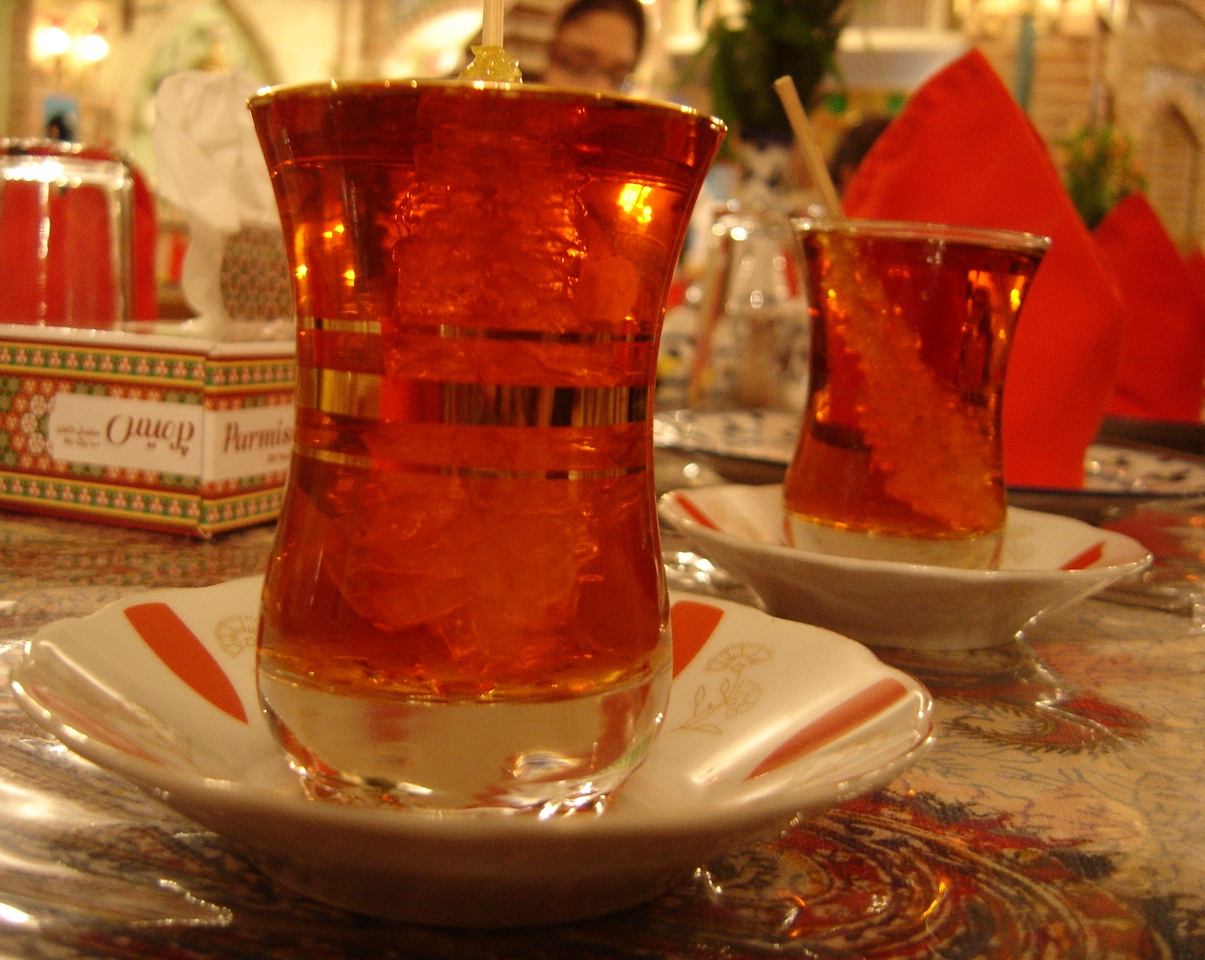
Tea things. A set of estekan tea glasses with a box of saffron nabat makes a neat, inexpensive present. Our guide to making Persian tea explains how they are used.
Carpets. A real Persian carpet is a serious purchase best made in person, but a good book on Persian carpets is a fine present for anyone who already owns one. If you are in Iran, our guides to buying carpets and to souvenirs from Iran will help you shop in person.