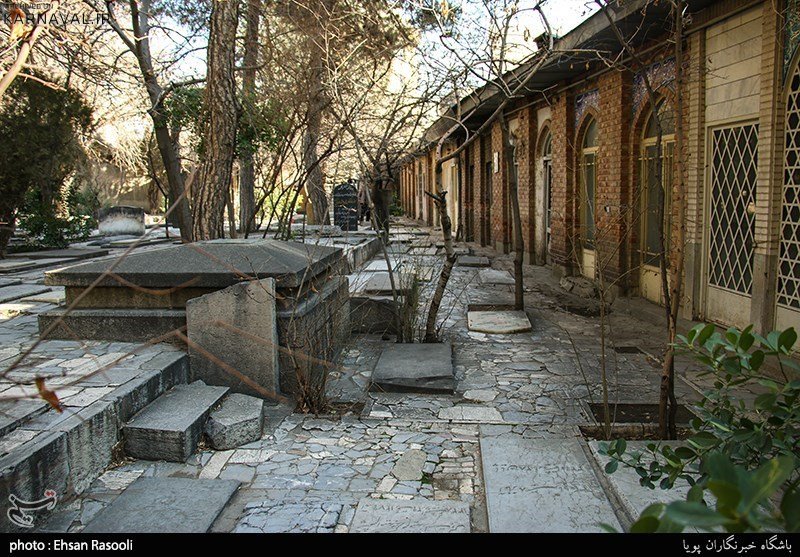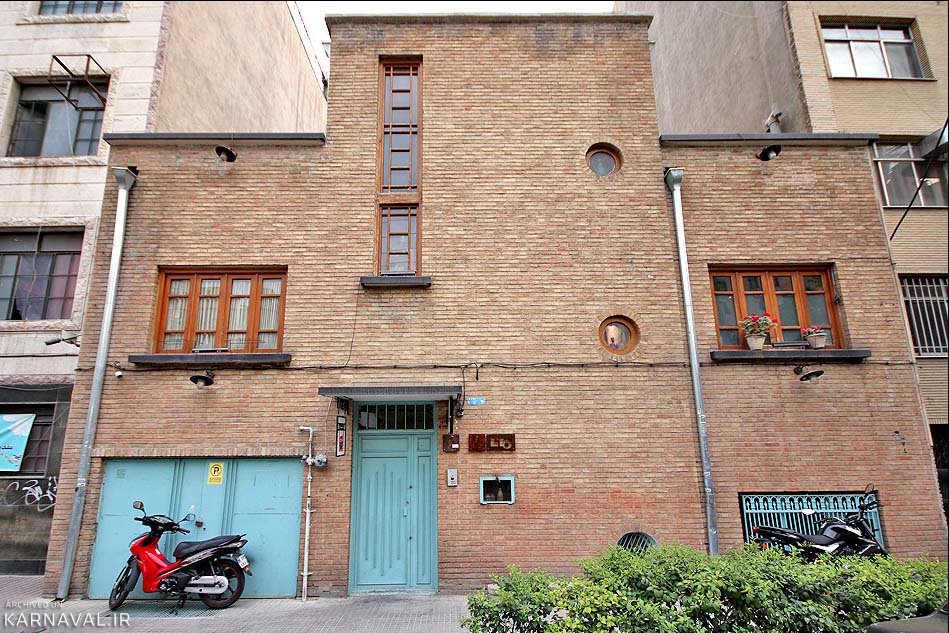
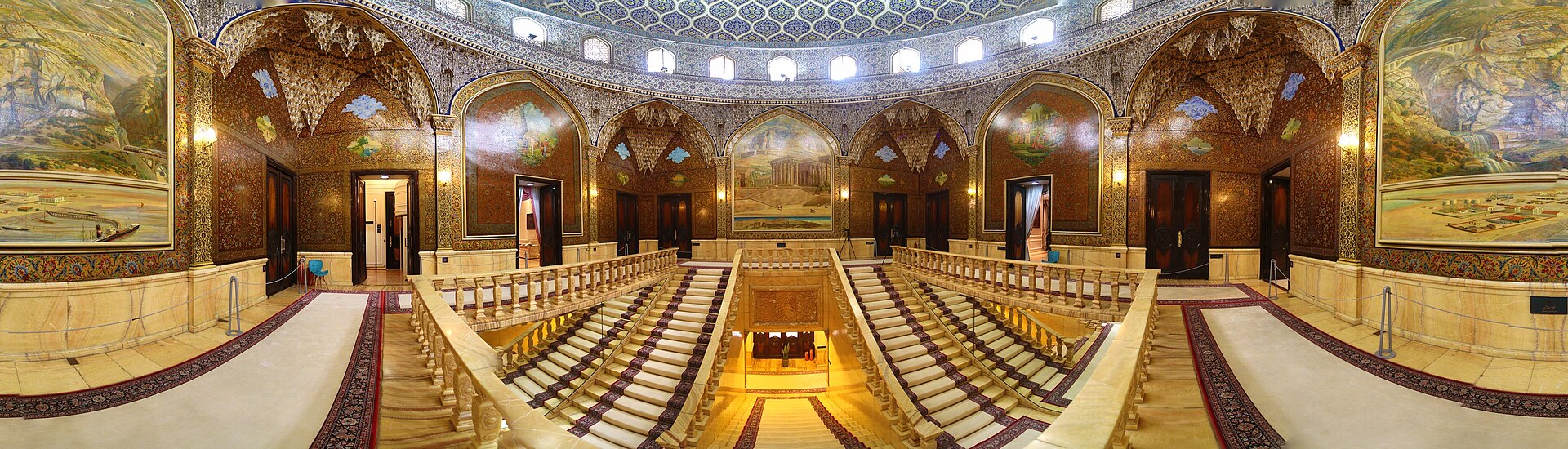
For more than four decades, the Marble Palace was one of Tehran’s great closed doors. Built in the 1930s for Reza Shah, the founder of the Pahlavi dynasty, it was used by the state after the revolution and hidden behind high walls in the middle of the city. In 2020 it finally opened to the public as the Museum of Iranian Art, and it is now one of the most impressive interiors in Tehran.
History. Construction began in 1934 and was completed by 1937, on what was then a quiet, leafy quarter of the city. The palace mixes Persian and European ideas, with a white marble exterior, carved stone, high ceilings and a famous Hall of Mirrors. Iranian master builders designed it, and the decorative work was led by the architect Hossein Lorzadeh. In 1939 it hosted the wedding celebrations of the crown prince, Mohammad Reza, and Princess Fawzia of Egypt. After the revolution it was used for many years by the Expediency Discernment Council, before being transferred to the Mostazafan Foundation, which restored it and reopened it as a museum.
What you will see. The building itself is the main attraction: the marble façades, the carved doors, the mirror work and painted ceilings, the domed hall and the formal reception rooms. The museum displays Iranian art and decorative objects, including paintings, carpets, ceramics, metalwork and coins, alongside some of the original furnishings.
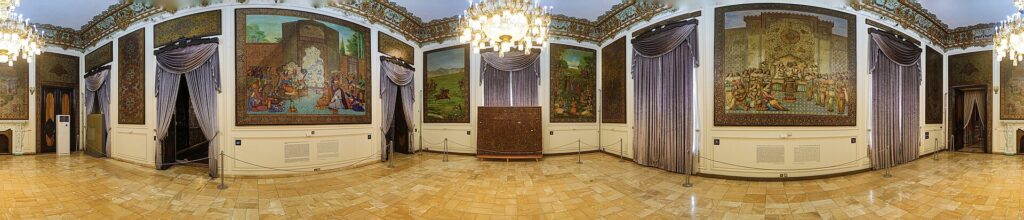
Visiting. The palace is in the city centre, close to the junction of Vali Asr and Imam Khomeini streets, and within walking distance of the Moghaddam Museum, the Malek Museum and the old Bagh-e Melli gate. Bring your passport or ID card, which is required for entry. Opening hours and ticket prices change, so check before you go. Allow about an hour and a half.
Make a day of it. Combine the Marble Palace with the Moghaddam Museum, the Glassware and Ceramic Museum and the old city around Imam Khomeini Square. For more ideas, see our guide to museums and palaces in Tehran.