
Updated November 2026 We have rechecked the park picks and corrected the transport directions; in 2027, Sizdah Be-dar falls on 2 April.
Sizdah Be-dar, or Nature Day, is the 13th day of Farvardin, the first month of the Iranian calendar, and it closes the Nowruz holidays. On this day almost everyone in Tehran heads outdoors for a picnic, and the city’s parks, river valleys and mountain foothills fill from early morning. If you want to celebrate Sizdah Be-dar in Tehran, the trick is choosing the right spot, arriving early and bringing everything you need.

What Sizdah Be-dar is about
The name means roughly “thirteen out of doors”. Thirteen has long been seen as an unlucky number in Iran, and the custom is to spend the day outside the house so that any bad luck stays out with it. The tradition is very old, with roots in pre-Islamic Iranian spring festivals, and today it is above all a day for family, food and fresh air at the end of Nowruz.
The best-known ritual involves the sabzeh, the dish of sprouted wheat or lentils that sits on the Haft-Seen table through the holidays. On Sizdah Be-dar, families take it with them and let it go in running water or leave it in nature, symbolically sending the old year’s troubles away. Young unmarried people sometimes tie a knot in the blades of grass while making a wish, traditionally for a good match in the year ahead.
Where to celebrate in Tehran
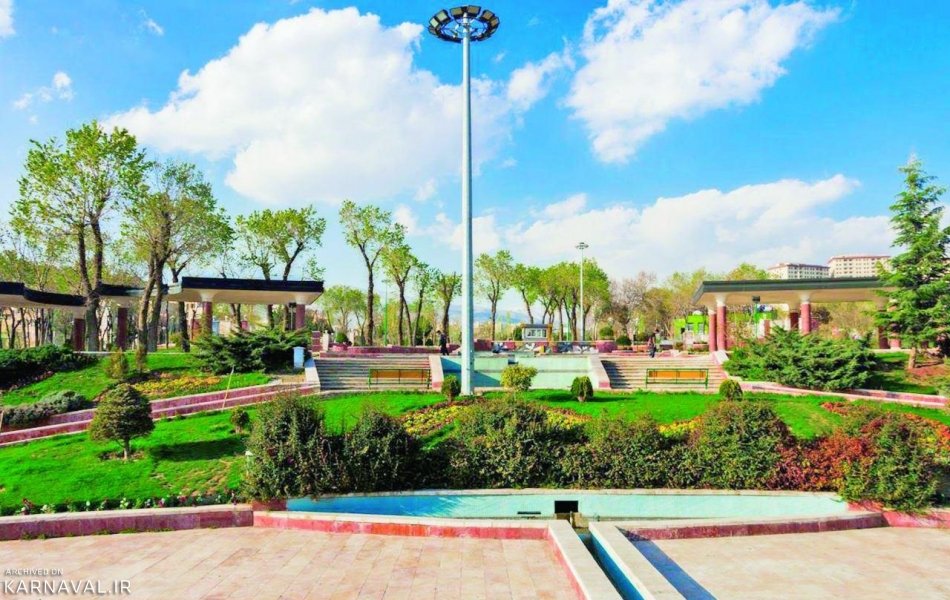
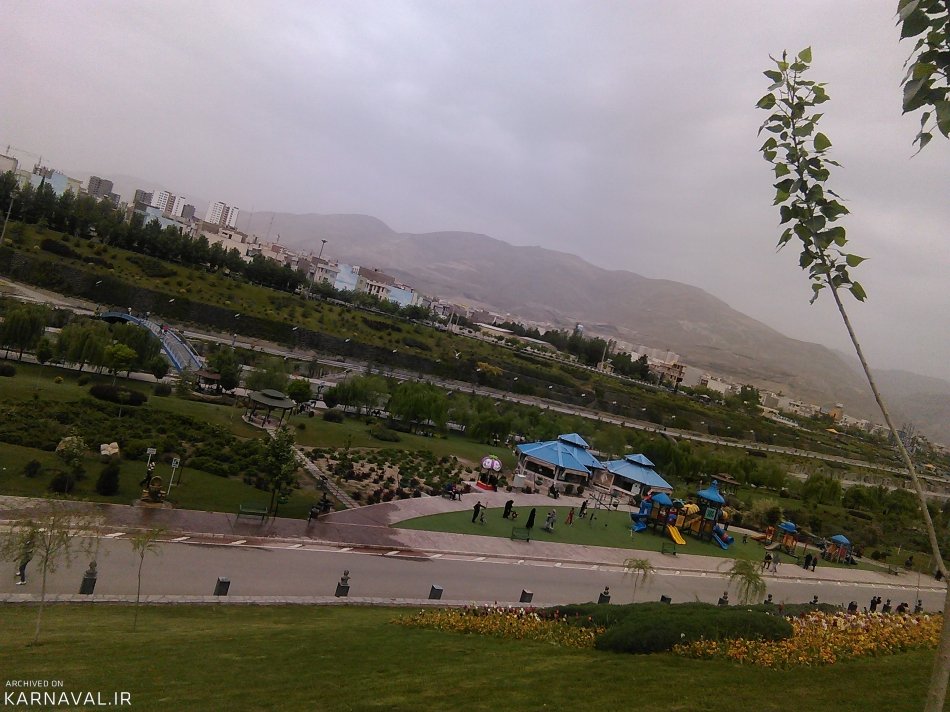
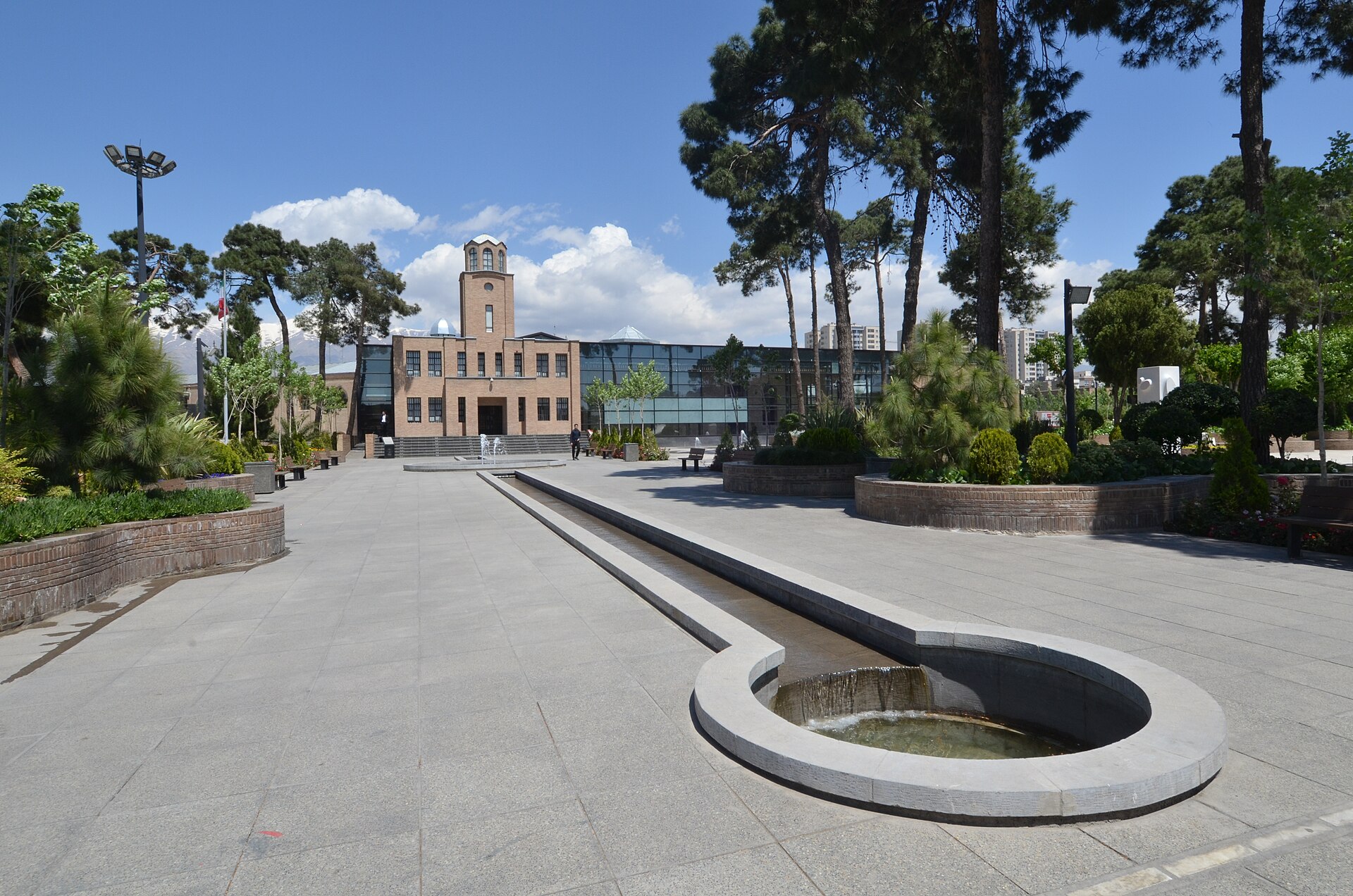
Expect every green space in the city to be busy. These are some of the most popular choices, from mountain air to lakeside lawns.
Jamshidieh Park, Niavaran. Also known as the Stone Garden, Jamshidieh climbs the slopes in the far north of the city, with rock gardens, waterfalls, terraces and trees. It is cooler than central Tehran and has good walking paths. Take the metro to Tajrish at the northern end of Line 1, then a short taxi ride east to Niavaran.

Mellat Park, Valiasr Street. One of Tehran’s best-loved parks, Mellat sits on Valiasr Street just north of Vanak Square. It has wide lawns, a lake, play areas and plenty of shade, and on Sizdah Be-dar it is packed with families. The Valiasr Street rapid-transit buses stop nearby, or take a taxi.


Darband and Darakeh. These two valleys at the foot of the Alborz are where Tehranis go when they want mountain streams, walking trails and a teahouse lunch. Both get very crowded on Sizdah Be-dar, so go early. Darband is a short taxi ride from Tajrish Square; Darakeh is a little further west and also easiest by taxi.
Laleh Park, city centre. Laleh is a large central park in the Amirabad district, next to the Carpet Museum and close to the Tehran Museum of Contemporary Art. It has big lawns, a pond, playgrounds and plenty of picnic space. The nearest metro is Meydan-e Enghelab-e Eslami on Line 4; from there it is roughly a ten-minute walk north along Kargar Street.

Chitgar Lake and Forest Park, west Tehran. The large artificial lake at Chitgar, in District 22, is surrounded by cycle paths, walking routes and lawns, with boating and an amusement park nearby. There is more space here than in the central parks, which helps on a busy holiday. A taxi or ride-hailing app is the easiest way to get there.

Tips for a good Sizdah Be-dar
- Go early. Families stake out the best patches of grass by mid-morning, and roads to the mountains and out of the city clog up quickly.
- Pack a proper picnic. Popular choices include kebabs cooked on a portable grill, kuku sabzi (herb frittata), ash-e reshteh (noodle and bean soup), and crisp lettuce dipped in sekanjabin, a mint and vinegar syrup.
- Bring games. Backgammon and cards are standard; a football or volleyball helps if you have children with you.
- Dress for changeable weather. Early April can be warm in the sun and chilly in the shade, and spring showers are common. Bring sun protection and a light waterproof.
- Bring a blanket or mat and something to sit on, as benches go fast.
- Clean up. Take your rubbish home and leave your sabzeh in a stream or on soil rather than in its plastic container.
Sizdah Be-dar is the last chapter of a long season of celebration that starts weeks earlier with khane-tekani, the big spring clean, and Chaharshanbe Suri, the festival of fire.