Updated November 2026 We have refreshed this guide to the Nowruz spring clean and added current tips on finding cleaners and tradespeople in Tehran.
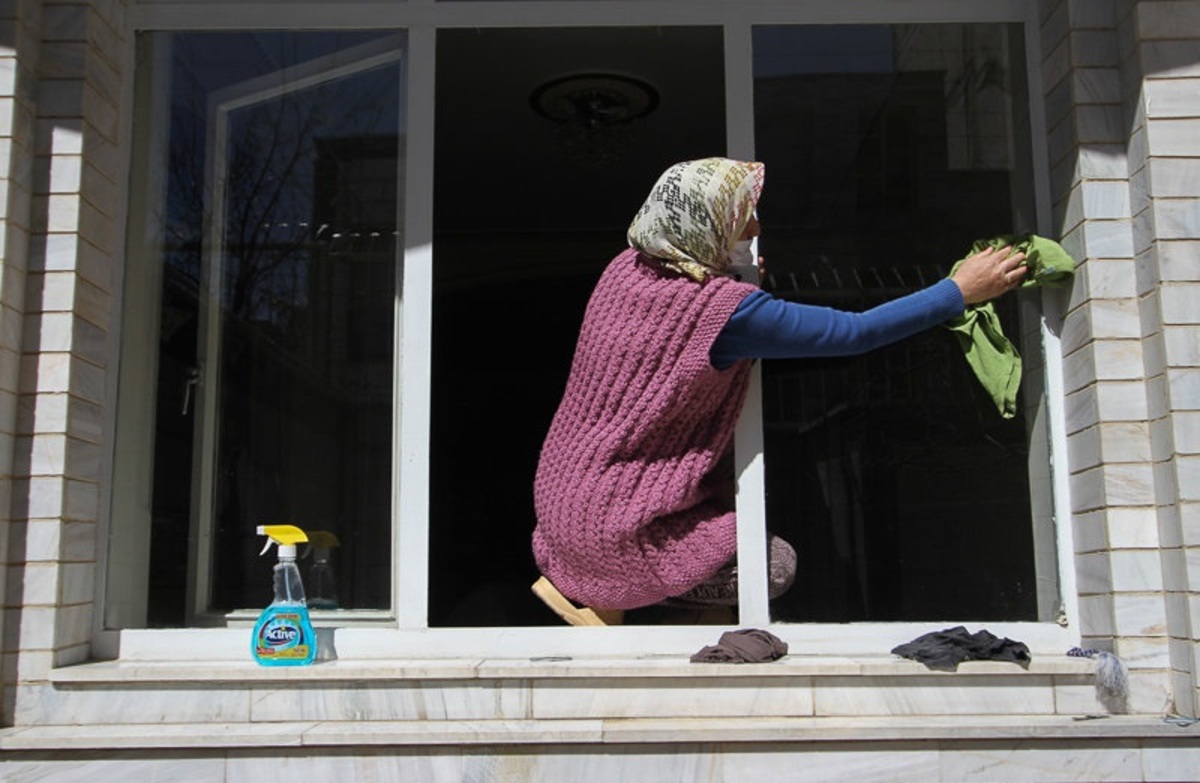
Khane-tekani, literally “shaking the house”, is the great Iranian spring clean that takes place in the weeks before Nowruz, the Persian New Year on the spring equinox. Every corner of the home is emptied, scrubbed and set straight so the family can start the new year fresh. If you live in Tehran, you will notice it everywhere from late February: carpets hung over balconies, ladders in stairwells and cleaners booked solid.
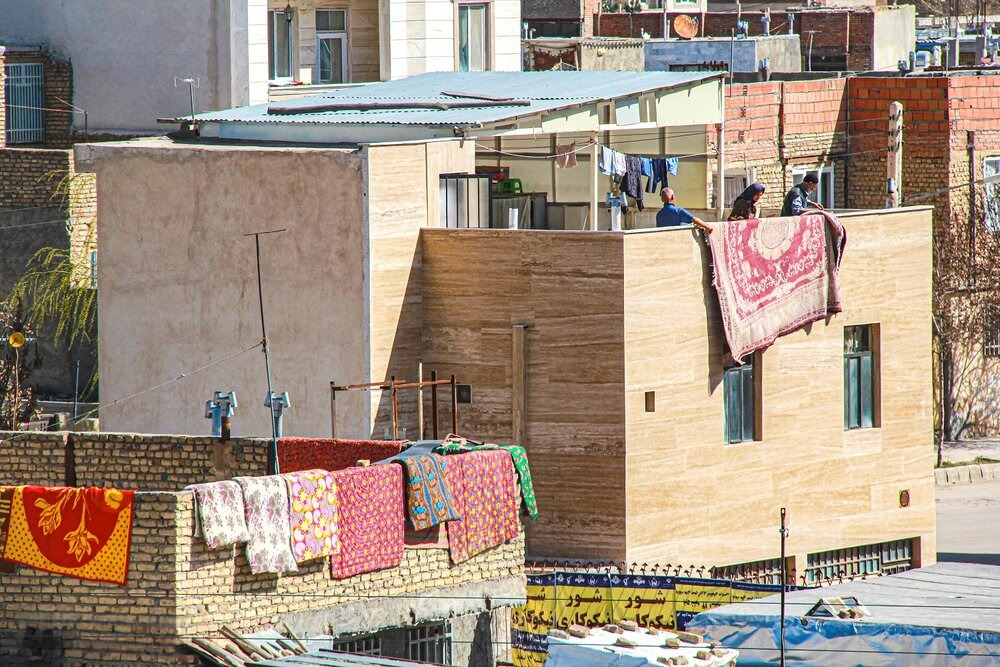
Why Iranians clean before Nowruz
The custom is centuries old and is usually traced to Zoroastrian ideas in which cleanliness and order stand on the side of good, and dirt and clutter give space to harm. Over time it became simply part of welcoming the new year: you do not greet spring, or the relatives who will visit over the holidays, in a dusty house. Clearing out the old year’s mess is also a way of letting go of its troubles.
Khane-tekani is one of a run of traditions leading up to Nowruz, alongside setting the Haft-Seen table, buying new clothes and, on the last Tuesday night of the year, Chaharshanbe Suri, when people jump over bonfires to burn away bad luck.
What a proper khane-tekani involves
This is not a quick tidy. In many households it takes several weekends and the whole family pitches in. A typical list looks like this:
- Clearing out. Old clothes, papers, broken items and anything that has not been used all year are given away or thrown out.
- Carpets. Persian rugs are sent to a professional carpet washer or beaten and washed at home. Washers get very busy close to Nowruz, so families send them off early.
- Walls and windows. Windows, frames and curtains are washed, and many families repaint a room or the whole flat.
- Every surface. Floors are scrubbed, furniture dusted and polished, cupboards emptied and wiped, kitchen cabinets and appliances cleaned inside and out.
- Storage spaces. Balconies, storerooms, rooftops and yards get the same treatment.
- Something new. Some families finish with a new rug, curtains, cushions or kitchenware to mark the new year.
Hiring help in Tehran
Because the work is heavy, many Tehran households hire help, especially larger families or those who are hosting over the holidays. Options include:
- Word of mouth. Neighbours, the building caretaker or friends usually know a reliable cleaner or painter.
- Cleaning companies. Agencies send cleaners for a day or several days and can handle deep cleans of kitchens, bathrooms and windows.
- Home-services apps. Platforms such as Achareh let you book cleaners, carpet washing, painters and repair technicians online and compare prices.
- Specialists. Painters, carpenters, upholsterers and electricians are in demand for jobs such as repainting, fixing furniture or installing new lights and appliances before guests arrive.
Prices rise sharply as Nowruz approaches and the best people get booked up, so arrange help at least a few weeks ahead. Agree the price and what is included before work starts. For a sense of current living costs, see our Iran price trackers.
Tips if you are new to Tehran
- Book the carpet washer first. Rugs can take a week or more to come back in the busy season.
- Start with the clear-out. Charity collection points and neighbours are glad of usable clothes and household items.
- If you rent, check with your landlord before repainting.
- Expect noise and some disruption in your building for a few weeks: everyone is doing the same thing.
- Leave yourself time to shop. Markets and shopping streets are at their busiest just before the holiday.
Once the house is clean, the celebrations can begin. Nowruz runs for about two weeks and ends with Sizdah Be-dar, the day everyone heads outdoors. The festival is also marked well beyond Iran; read about the other countries that celebrate Nowruz.