Updated November 2026 We have corrected the garden’s history, clarified the story behind its famous models and refreshed our visiting tips.
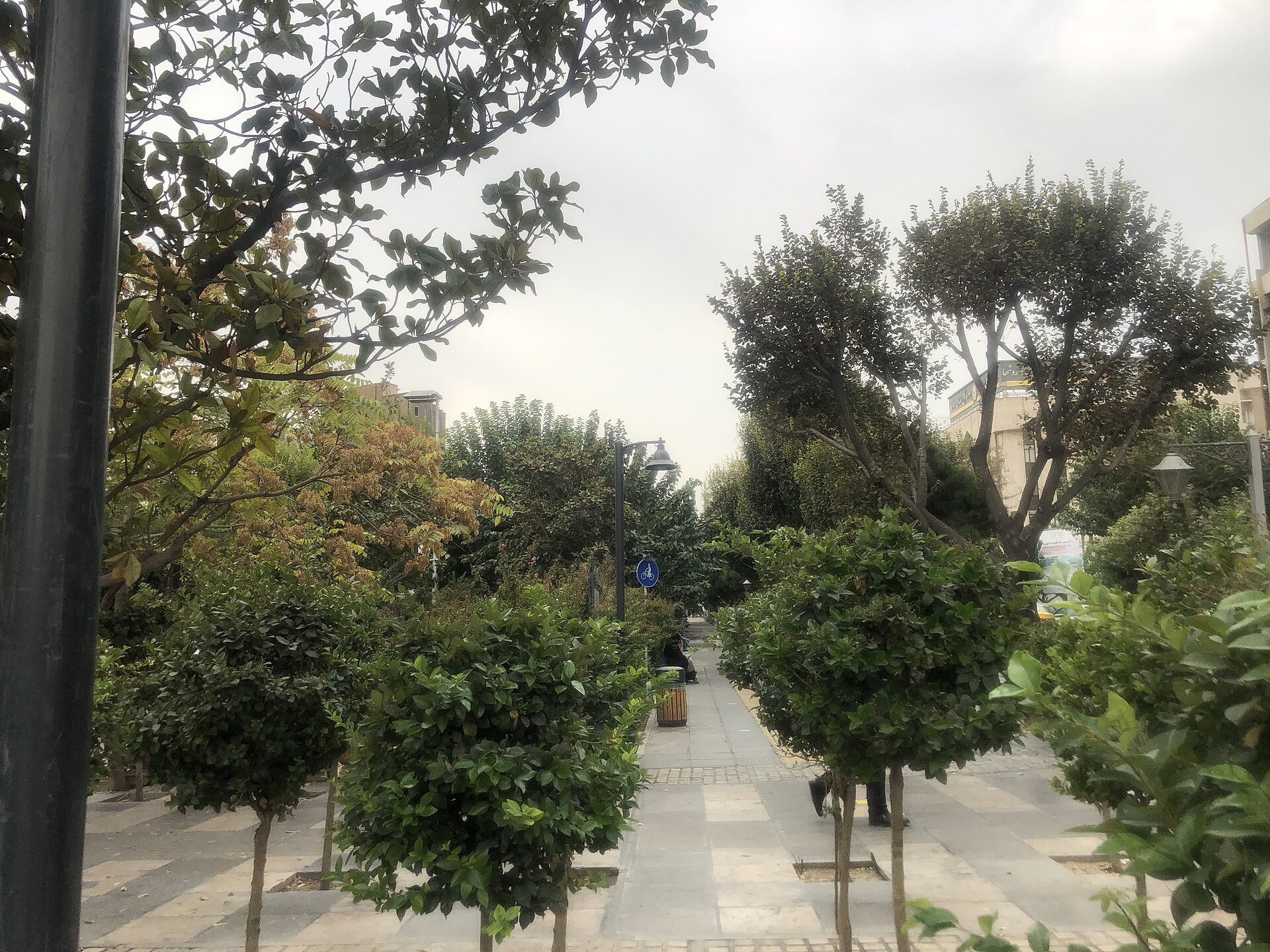
The Iranian Art Museum Garden (Bagh-e Muzeh-ye Honar-e Irani) is a small, leafy garden in the Elahieh area of north Tehran, best known for its collection of scale models of Iran’s great monuments. In less than a hectare you can stroll from a miniature Si-o-Se Pol bridge to a pocket-sized Soltanieh Dome, then finish with a coffee under the trees. It is an easy, relaxed outing, good for families, photographers and anyone who wants a quiet hour away from the traffic.
Around a dozen replicas are dotted through the garden. Among them are Isfahan’s Hasht Behesht and Chehel Sotoun palaces and its Si-o-Se Pol (Thirty-Three Arches) bridge, the brick tower of Gonbad-e Qabus, Tehran’s Shams-ol-Emareh, the Mahyar caravanserai, the pavilion of Fin Garden in Kashan, the Tomb of Daniel in Shush, the Soltanieh Dome and the Armenian St Thaddeus Monastery. Tehran’s own landmarks, Azadi Tower and Milad Tower, are here too.
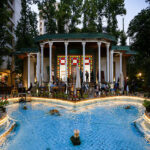
The oldest models were made by Italian craftsmen in the Pahlavi era, linked to the preparations for the 1971 celebrations of 2,500 years of the Persian monarchy. They are built of concrete with resin details, and some were restored by Iran’s cultural heritage experts in 2006. The two modern towers are clearly later additions, since Milad Tower was not finished until 2007.

The house at the heart of the garden is a piece of history in itself. It was completed in 1931 for Lieutenant General Ahmad Amir Ahmadi, a senior army officer under Reza Shah, and later passed to his wife, Turan Mohajer Eslami. After restoration and landscaping work began in 2005, the property opened as a cultural garden, and today it is run as part of Tehran’s network of public cultural centres.
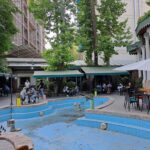
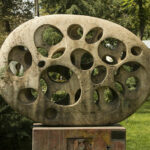
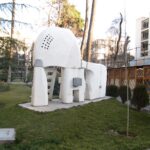
Besides the models, the garden hosts temporary exhibitions of painting and sculpture, art workshops for children and adults, and a shop selling cultural products. Small boutiques, cafés and a restaurant surround the green space, so it is easy to linger. Shemiran’s slightly cooler climate makes it especially pleasant on late spring and early autumn afternoons.
The models are very photogenic, particularly in the soft light of late afternoon, and the garden is popular with amateur photographers and families taking pictures of children beside the “monuments”. It also makes a fun introduction to Iranian architecture before a trip to Isfahan, Kashan or Zanjan, or a reminder of places you have already been.
The garden is in Elahieh, in the Bagh-e Ferdows area of north Tehran, and any taxi or Snapp driver will find it if you ask for Bagh-e Muzeh-ye Honar-e Irani. Opening hours and any entry charge can change, so check a local map app such as Balad before you go. It combines nicely with other green spaces in Shemiran, such as Jamshidieh Park, or with the shops and cafés of Elahieh, which we describe in our guide to the most desirable areas to live in Tehran.