Updated November 2026 We have rechecked the park’s history, facilities and access; Jamshidieh remains open year round.
Jamshidieh Park, known locally as Bustan-e Jamshidieh and sometimes called the Stone Garden, is one of the most distinctive parks in Tehran. It climbs the foothills of Mount Kolakchal in Niavaran, in the far north of the city, and mixes rocky slopes, waterfalls, ponds and stone sculpture with some of the best city views you can get without a proper hike.
The land began as a private garden belonging to Jamshid Davallu Qajar, a Qajar prince, who later left it to Empress Farah Pahlavi. It was turned into a public park in the late 1970s and expanded in 1995 with a new section named after the poet Ferdowsi. Today the whole site covers around 69 hectares.
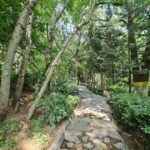
What sets Jamshidieh apart from Tehran’s flatter parks is its terrain. Paths and stone stairways wind uphill between boulders, trees and artificial cliffs, and a man-made waterfall tumbles down the centre. Climb the steps behind the waterfall and the city opens up below you; on a clear day after rain the view across Tehran is superb. In winter the park is one of the first places in the capital to get snow, and it is lovely under a light covering.
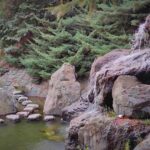
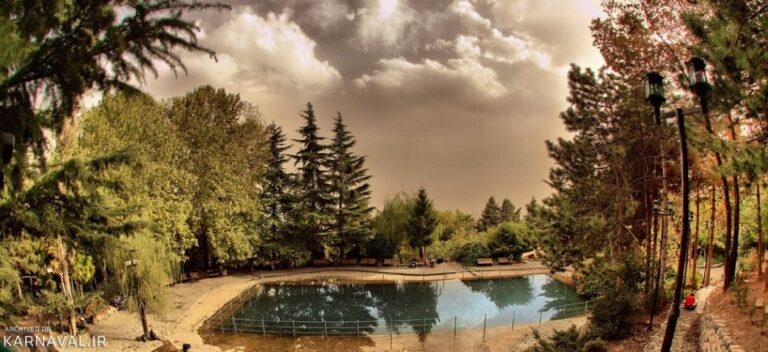
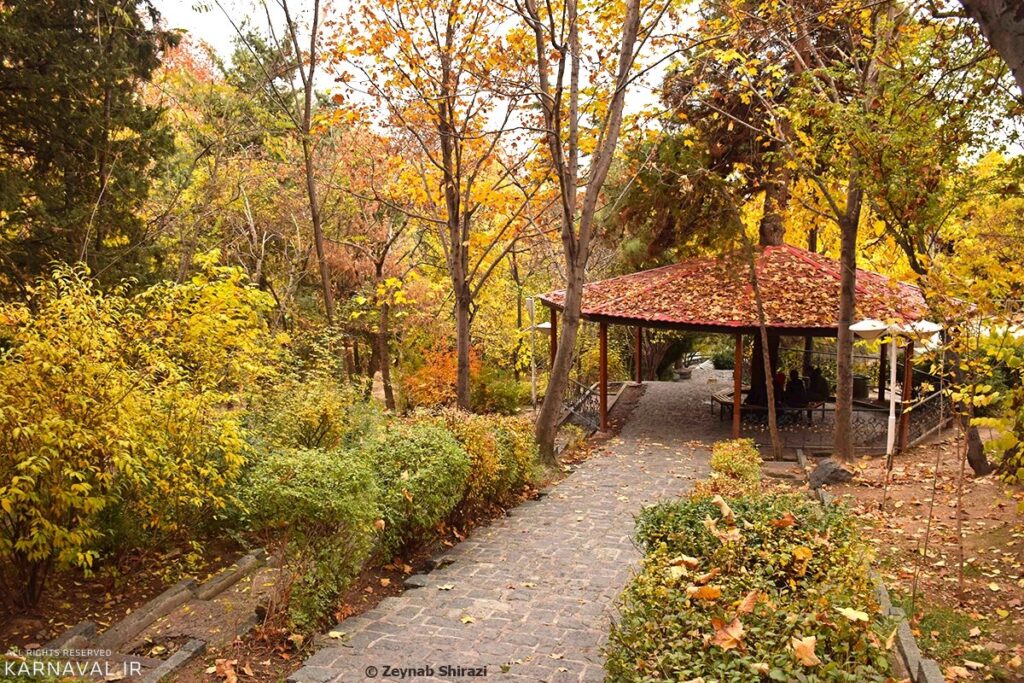
At the heart of the park is a large pond stocked with carp, goldfish and koi, ringed by benches where families sit and feed the fish. Look out for the many stone statues and fountains scattered around the slopes, some on natural and mystical themes. There is also an art house, an amphitheatre, pergolas, a bird enclosure and toilets.
For food, the park has a restaurant and teahouse near the centre, plus a restaurant built in the style of Turkmen yurts, which is a popular spot for kebabs and tea after a walk. The Ferdowsi section is greener and gentler, with lawns that suit a picnic.
Jamshidieh is also a gateway to the mountains. A hiking trail leaves from inside the park and heads up the slopes of Kolakchal towards the peak, so it makes a good starting point if you want a longer walk. Wear proper shoes even if you only plan to stroll: the stone steps are steep and can be slippery in wet or icy weather.
The park has four entrances. The easiest approach is from Bahonar Street in Niavaran, just west of the Niavaran Book City (Shahr-e Ketab), then north up steep Feiziyeh Street to the main gate. There is no metro station nearby: the simplest option is the metro to Tajrish at the northern end of Line 1 and then a short taxi or ride-hailing trip east. Weekday mornings are calm; Friday afternoons and public holidays get very busy, especially at Sizdah Be-dar, when the slopes fill with picnickers.
Visiting Jamshidieh Park: at a glance
- Opening hours: Saturday to Friday: 06:00 to 24:00
- Time needed: 1 to 3 hours
- Address in Persian (show this to your driver): تهران، خیابان شهید باهنر، خیابان شهید امیدوار
- Open Jamshidieh Park in Google Maps
Hours can change on public holidays and during Ramadan, so check before you set out.
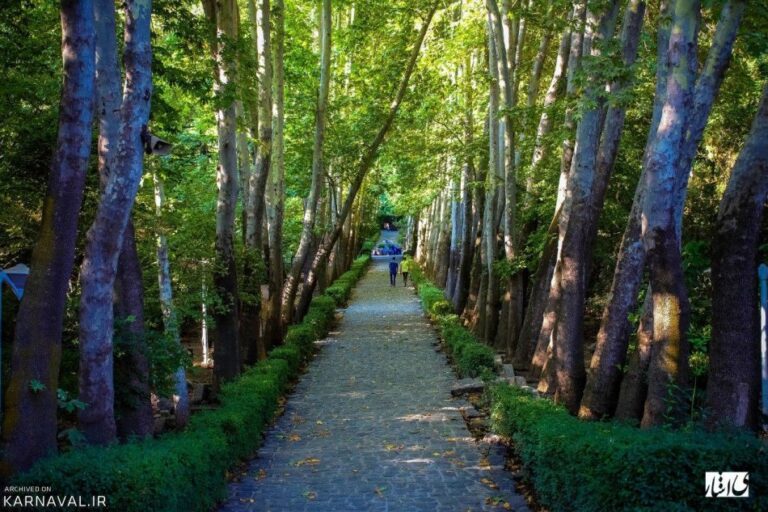
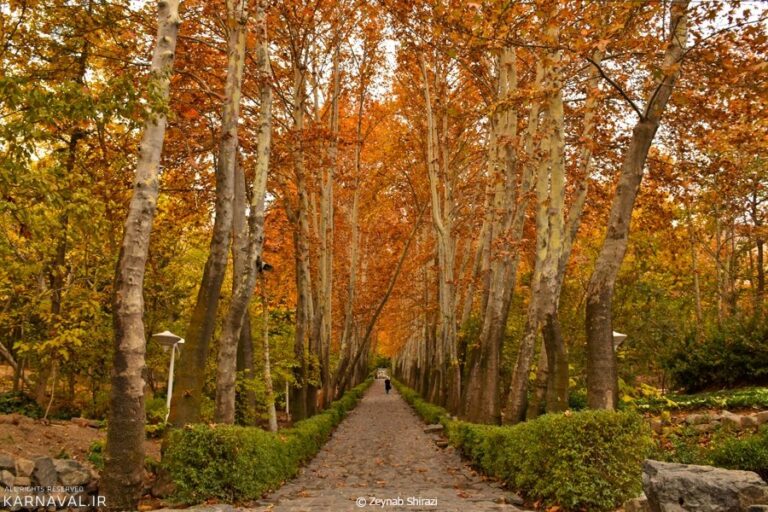
Jamshidieh Park in pictures
For more ideas, see our guide to Tehran’s free attractions and other parks in the city, or take children to the Miniature Garden park.