Updated November 2026 Sights re-checked against the Qeshm UNESCO Global Geopark’s latest figures; out-of-date entry fees and unverified contact details have been removed.
Autumn is when Qeshm’s top attractions are at their best. Once the brutal heat and humidity of the Persian Gulf summer ease off, usually from late October, Iran’s largest island becomes a pleasure to explore: canyons you can hike in daylight, mangroves you can drift through by boat, and quiet beaches with warm water well into December. Here is where to go and how to plan your days.

Why visit Qeshm in autumn
Qeshm is a UNESCO Global Geopark, registered in 2006 and still the only one in the Middle East. Most of its famous sites are exposed rock formations with little or no shade, so the season matters. From late October to March daytime temperatures are comfortable for walking, the light is softer for photography, and migratory birds arrive in the mangroves. The cooler months are also popular with Iranian holidaymakers, so book accommodation ahead around public holidays. For a wider view of the seasons, see our guide to the best time to visit Iran.
Valley of the Stars (Darreh-ye Setaregan)
The island’s best-known sight lies just north of the village of Berkeh-ye Khalaf. Wind and rain have carved soft sediment into a maze of spires, ridges and gullies. Local legend says the shapes were made by falling stars, which gives the valley its name. Go in the late afternoon, stay for sunset, and wear shoes with grip, as the paths are dusty and uneven.

Chahkooh Canyon and the Valley of Statues
Chahkooh is a narrow gorge whose walls close in so tightly in places that you can touch both sides. It is one of the geopark’s most visited sites, along with the Valley of Statues (Darreh-ye Tandis-ha), where erosion has shaped the rock into forms that look like animals and human figures. Both are best visited in the morning or late afternoon.
Namakdan Salt Cave
In the south-west of the island, Namakdan is among the longest salt caves in the world, with chambers of white and pink salt crystals. Bring a torch and sturdy footwear, and expect the floor to be uneven and occasionally wet.
Hara mangrove forest
The Hara mangroves, between Qeshm and the mainland, are a protected area and a UNESCO biosphere reserve. The trees grow in sea water, and the forest shelters herons, flamingos, pelicans and other birds, many of which arrive in autumn. Boats leave from the small Soheili pier at the end of the road between Laft and the village of Tabl. Plan your trip for high tide, when the boats can go deeper into the channels; boatmen will tell you the day’s best time.

Kharbas Cave
Near the village of Kharbas, this partly natural and partly hand-cut cave complex looks out over the Gulf. It is thought to date back to the Parthian and Sasanian periods and may have served as a temple or a shelter. Look for marine fossils in the rock.

Naz Islands
On the south coast, the Naz Islands are joined to Qeshm by a sandbar that appears at low tide and disappears again as the water rises. Walking out is a favourite outing, but check the tide times and leave yourself plenty of margin to get back.

Laft and Hengam
Laft is an old fishing port on the north coast with wind towers and traditional houses, and it combines easily with a mangrove trip. Off the south coast, Hengam Island is reached by short boat rides; tourist boats often stop to look for dolphins on the way.
In and around Qeshm town
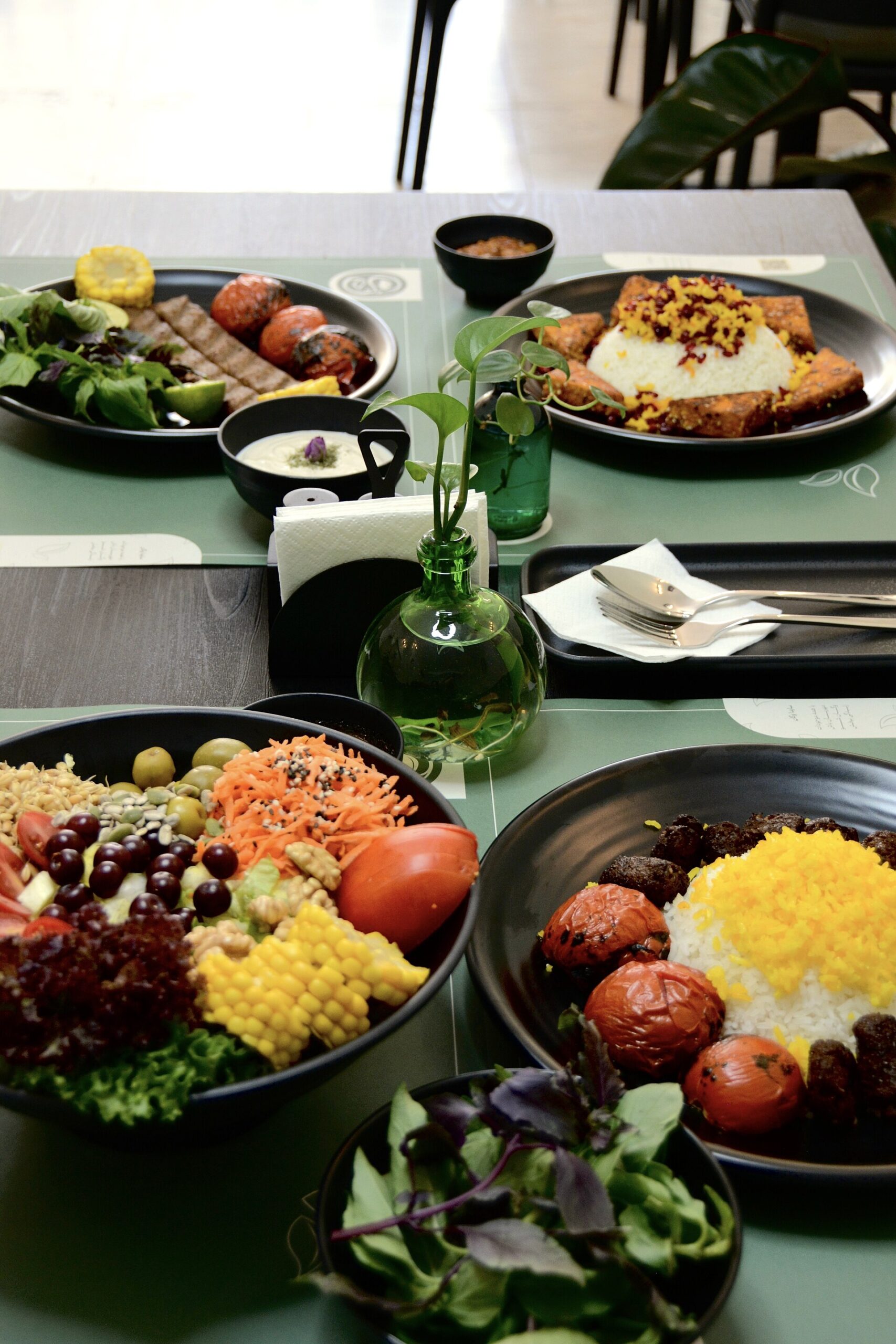
Zeytoon Park on the seafront in Qeshm town is where local families gather in the evening, with lawns, a beach path and stalls selling snacks such as sambuseh and falafel. It is a pleasant place to watch the sun set over the water.

Shopping. As a free zone, Qeshm draws Iranian visitors who come to shop. The City Centre complex in Qeshm town is the largest mall, with clothes, electronics and jewellery.

Beaches and diving. Suza, on the south coast, has a calm beach for swimming and fishing, and Shib Deraz, also on the south coast, is a popular spot for camping. Several dive centres operate from Qeshm town; ask at your hotel and check that instructors hold internationally recognised certification.
Practical tips
- Getting there: Ferries cross from Bandar Abbas to Qeshm town in under an hour, and Qeshm’s airport has domestic flights from Tehran and other cities. Our guide to domestic flights in Iran explains how to book.
- Getting around: The sights are spread over a long island, so hire a car with a driver or join a day tour. Public transport will not get you to most geosites.
- Tickets: The main geosites charge a small entry fee, which changes regularly. Carry cash in tomans as card readers are not always available.
- Dress and conduct: Qeshm is conservative. Dress modestly away from hotel grounds and ask before photographing local women.
- Before you go: Check current government travel advice for Iran and the Persian Gulf, and confirm entry rules if you plan to fly to Qeshm directly from abroad.