Updated November 2026 We have reworked this season-by-season guide, added dates for Nowruz and Ramadan, and included a note on current travel advice and flights.
The best time to visit Iran is spring (late March to May) or autumn (late September to November), when most of the country is mild, sunny and comfortable for sightseeing. Iran is huge and has four clear seasons, though, so the right month really depends on where you want to go: the Persian Gulf coast is at its best in winter, the north-west and the mountains in summer, and the classic cities of Isfahan, Shiraz, Yazd and Kashan in spring and autumn.
Before planning any trip, check your own government’s travel advice. As of late October 2026, the UK Foreign, Commonwealth and Development Office advises against all travel to Iran, and international flights from Tehran only restarted in April 2026 on a limited set of routes after the airspace closure earlier in the year.

Spring: the classic choice
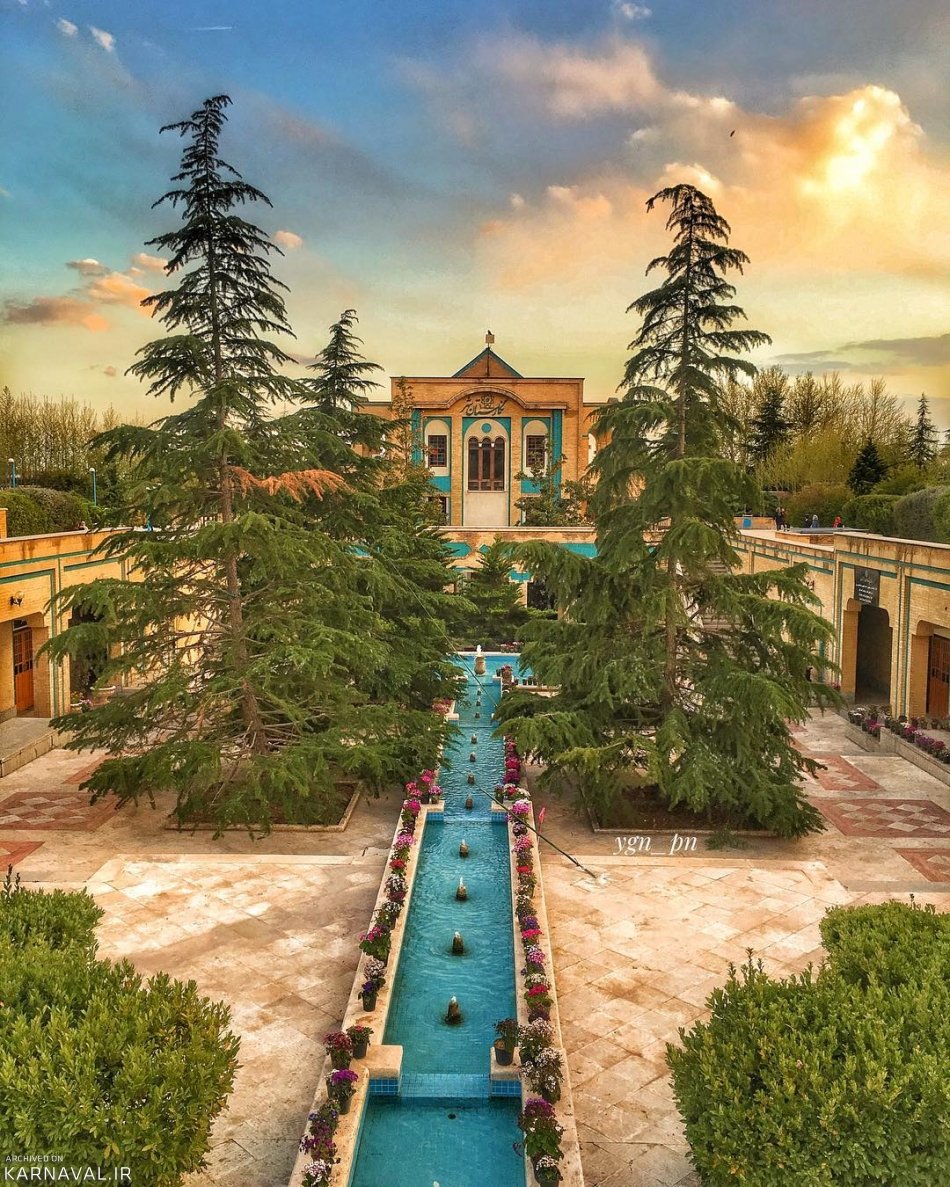
From late March to May, days are warm, evenings cool and gardens in full bloom almost everywhere. It is the ideal time for the central cities and for Shiraz, when the orange trees are flowering and the gardens of Eram and Narenjestan look their best.
Spring also brings Nowruz, the Persian New Year, which falls on the spring equinox around 20 or 21 March. The atmosphere is festive, but be aware of how it affects travel. Schools and many offices close for about two weeks, millions of Iranians go on holiday, and hotels, trains and domestic flights in popular destinations sell out and get more expensive. Tehran, on the other hand, empties out and becomes unusually calm. The holiday ends with Sizdah Bedar on the 13th day of the new year, when families picnic in every available park.
Late April and May are often the sweet spot: the Nowruz crowds have gone, the weather is still pleasant and the south is not yet unbearably hot.
Summer: head north-west or into the mountains
From June to early September, most of Iran is hot and dry. Tehran regularly passes 35°C, the central desert cities are hotter still, and the Persian Gulf coast combines extreme heat with heavy humidity. Sightseeing in Isfahan or Yazd is still possible, but plan it for early mornings and evenings.
Summer is the best season for the north-west and the west, where altitude keeps temperatures more comfortable. Tabriz, Ardabil, Urmia, Kermanshah and the towns of Kurdistan province are pleasant, as are the green mountain villages of the Alborz. Iranians also flock to the Caspian coast, which is humid but much milder than the south. Close to Tehran, the cooler valleys and hiking trails north of the city are a popular escape.

Autumn: perfect for Tehran and the central cities
From late September to November, the heat breaks and the light softens. This is arguably the best season for Tehran itself, whose tree-lined avenues and parks turn gold and red, and the air is often clear enough to see the Alborz from downtown. It is also excellent for walking around Isfahan, Kashan and Yazd. While you are in the capital, our guide to the museums in Tehran is a good starting point.
By November, nights in Tehran and the north-west turn cold and the first snow can arrive in the mountains, while the south becomes warm and pleasant rather than scorching. Late autumn is the start of the season on the Gulf islands.

Winter: southern sunshine and ski slopes
From December to February, Tehran is cold and grey, often with air pollution trapped over the city on still days, and the north-west sees heavy snow. This is the time to head south. Kish, Qeshm and Hormuz islands, Bandar Abbas and the Gulf coast enjoy warm, dry days ideal for beaches and exploring, and many Iranians take their winter breaks there. Shiraz is cool but often sunny.
Winter is also ski season. The resorts of Dizin and Shemshak, a couple of hours’ drive north of Tehran, usually have good snow from December into March and sometimes later, and their high altitude makes for long, sunny days on the slopes.

Religious calendar to keep in mind
Islamic holidays follow the lunar calendar and move about 11 days earlier each year, so check the dates for your trip.
- Ramadan – in 2027 it is expected to run from around early February to early March. Restaurants are often closed during daylight, though hotels usually serve guests, and eating or drinking in public before sunset is frowned upon.
- Muharram – the mourning month, which in 2027 begins around early June. Tasua and Ashura, its ninth and tenth days, are public holidays with large processions, and many shops and some sights close.
- Other mourning days – several other religious anniversaries are public holidays when museums and palaces may shut, so it is worth checking ahead for specific visits.

So when should you go?
For a first trip taking in Tehran, Isfahan, Shiraz and Yazd, aim for mid-April to May or October to early November. Choose winter if you want beaches in the Gulf or skiing near Tehran, and summer if you plan to explore the north-west, the Caspian or the mountains. Whatever the season, look at local forecasts before you travel, budget for higher prices around Nowruz (see our Iran prices page), and browse our art and culture guides for ideas on where to go.
Planning a trip to Tehran?
- Getting there: see which routes are running in our flights guide, and compare fares to Istanbul on Aviasales. You can also go overland via Armenia or Turkey.
- Getting online: a travel eSIM such as Airalo works from the moment you land.
- Budget beds: browse Tehran hostels on Hostelworld, or read our hotels guide.
- Costs and cover: work out a daily budget with the trip cost calculator, and check our insurance guide.
This box contains affiliate links. Read our disclosure.
A note on our affiliate links: LiT’s affiliate earnings are not earned from inside Iran. Our partners are international companies based outside the country, and no commission is paid to us by any business in Iran.