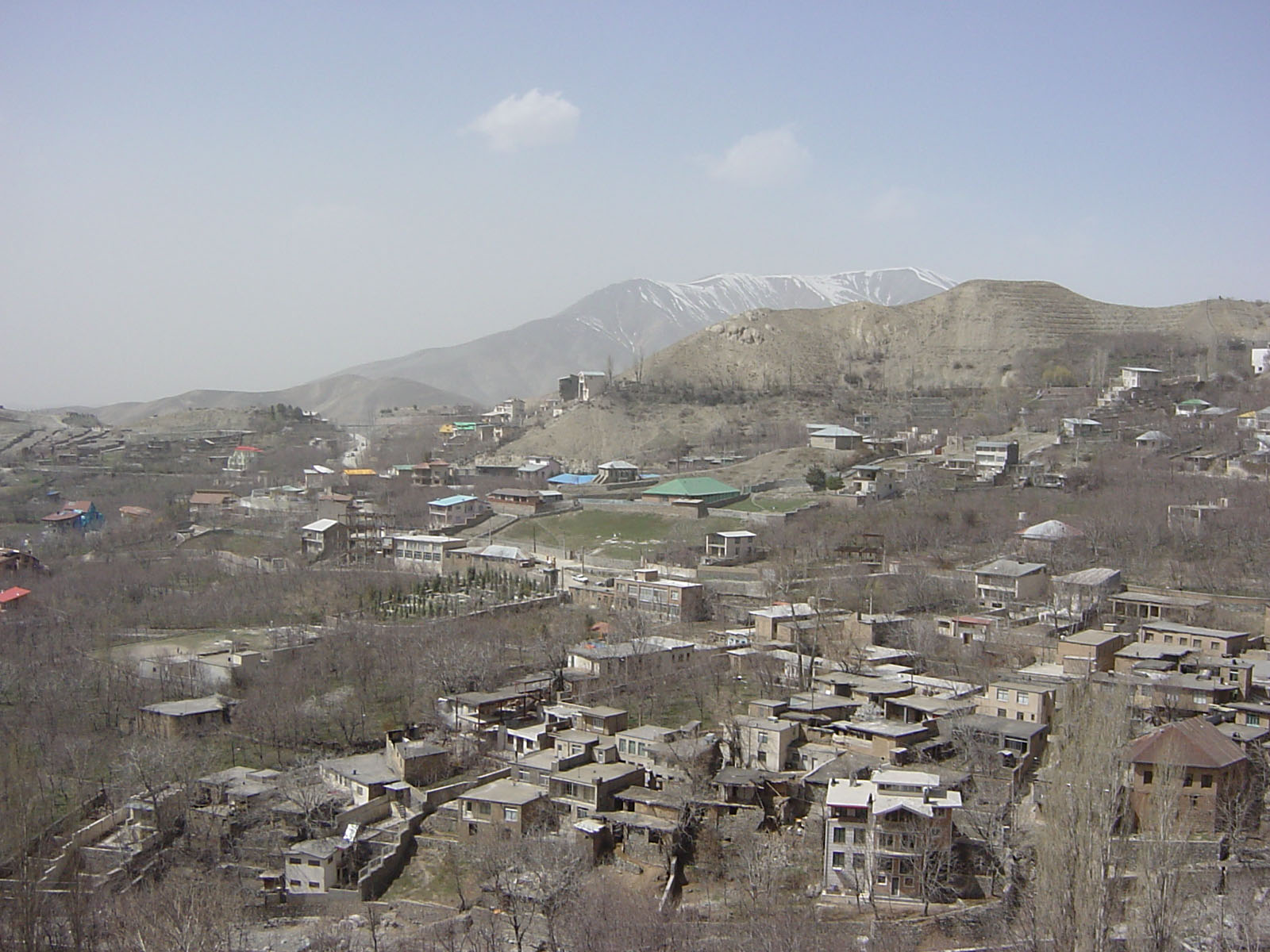
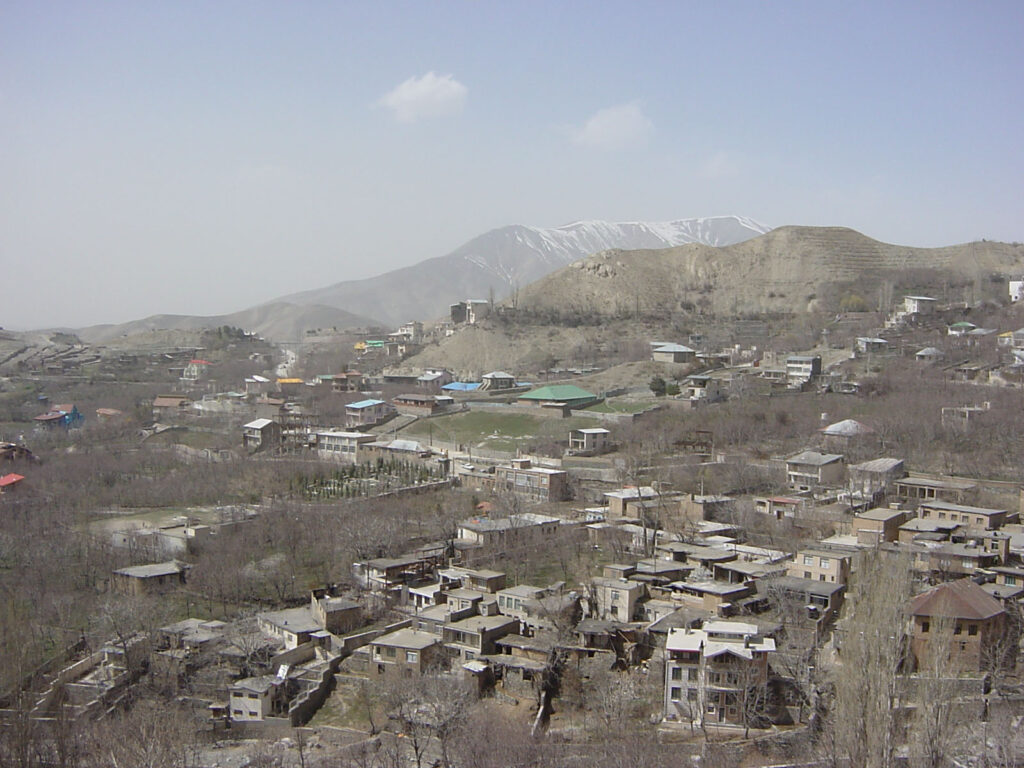
Tehran’s suburbs stop abruptly at the foot of the Alborz, and just beyond them, up steep valleys, are dozens of old villages that still feel a world away from the city. In summer they are where Tehranis go to escape the heat. In spring their orchards bloom, in autumn their walnut and poplar trees turn gold, and in winter some of their waterfalls freeze solid. These are the villages we return to, grouped by area so you can plan a day out.
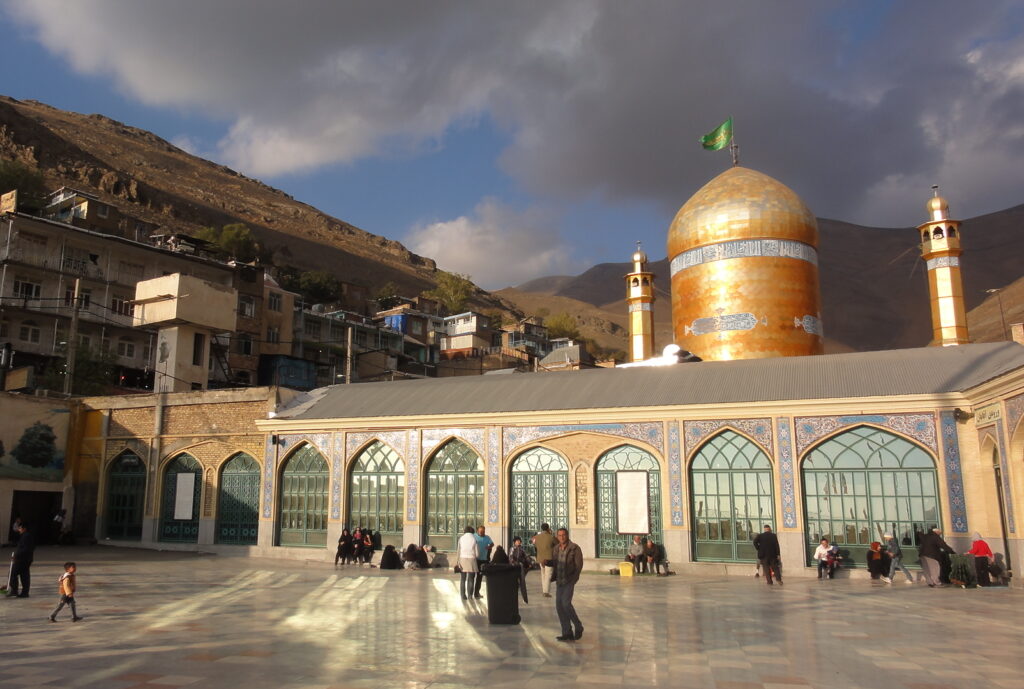
Imamzadeh Davood (north-west). A shrine village high in the mountains at the end of a winding road from Kan, about an hour from central Tehran. The golden-domed shrine is one of the most visited in the province, and the path up to it is lined with stalls selling sweets, dried fruit and souvenirs. It is busiest on Thursday evenings and religious holidays.
Sangan (north-west). A small village in the Kan district, around 20 kilometres north-west of the city, known for its waterfall, Tehran’s tallest, which drops about 30 metres down the slopes of Pahneh Hesar mountain. The walk from the village takes a couple of hours there and back. In late winter the falls freeze into a wall of ice that draws climbers and photographers. The village also has a centuries-old plane tree in the grounds of its shrine, and its older residents still speak with the old Tehran accent.
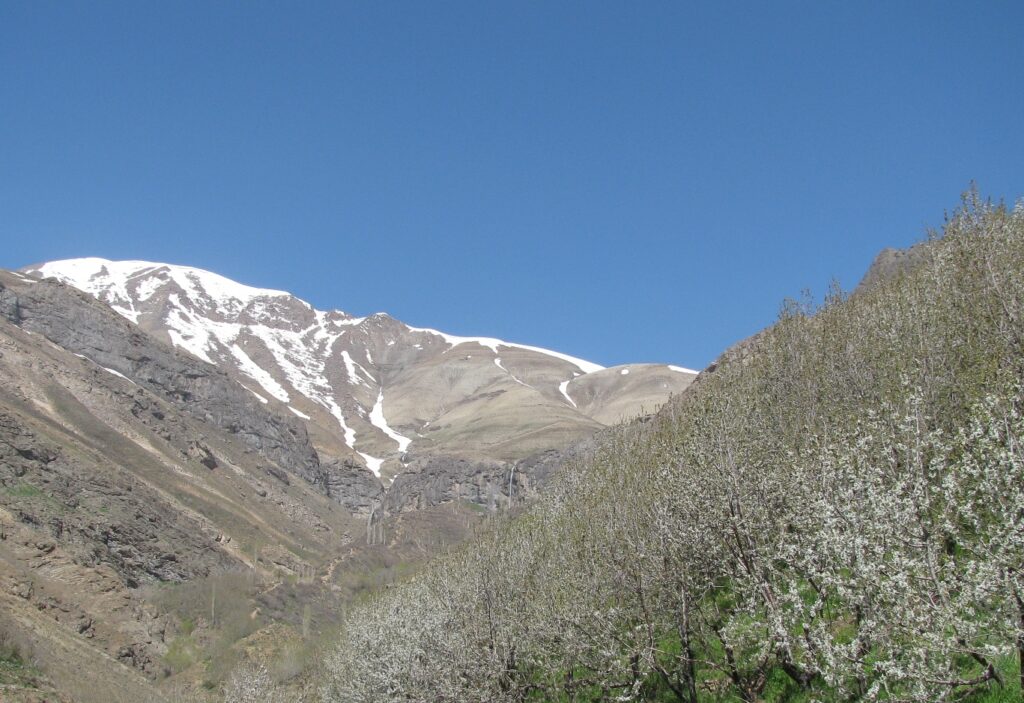
Verdij and Varish (west). Two neighbouring villages in the Kan and Solaghan district, reached from the Kharrazi motorway. Verdij, at around 1,850 metres, is known for its cherry, apricot and sour-cherry orchards and its strange wind-carved rock formations. The road continues past Varish onto the slopes of Pahneh Hesar, a popular hiking route.
Ahar and Shahrestanak (north). On the road from Fasham towards the ski resorts, Ahar sits in a green valley with a river, a waterfall and a scattering of riverside restaurants. Further up, Shahrestanak has an old Qajar hunting lodge. Both are lovely in spring and early summer.
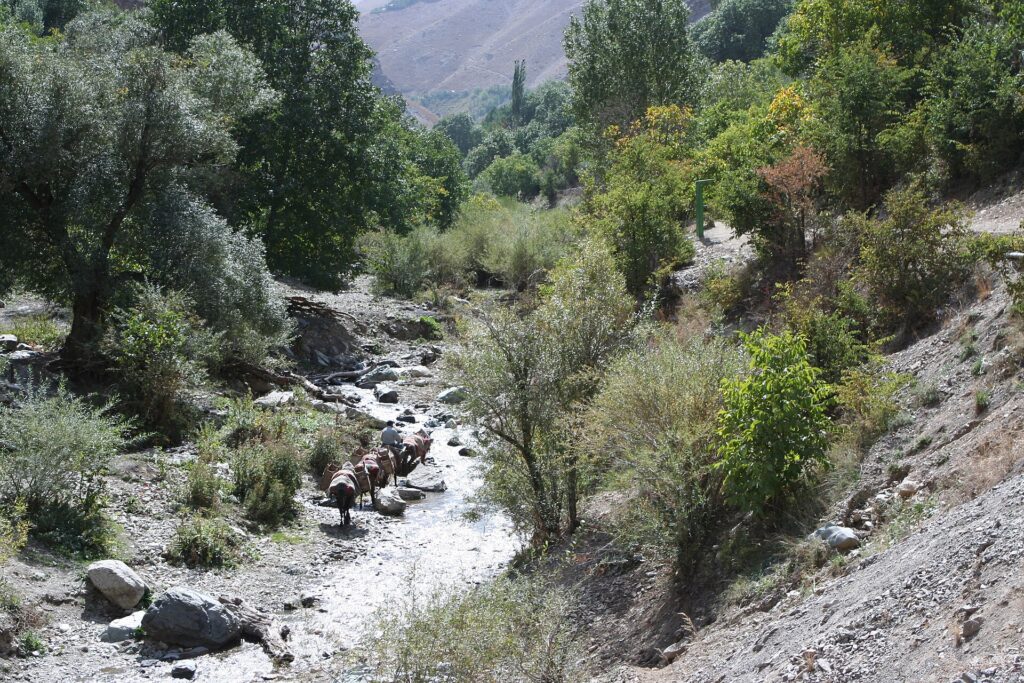
Fasham (north). The small town at the start of the road to Shemshak and Dizin is where many Tehranis have weekend gardens. It is a good base for walks along the Jajrud and a natural stop on the way to the slopes in winter.
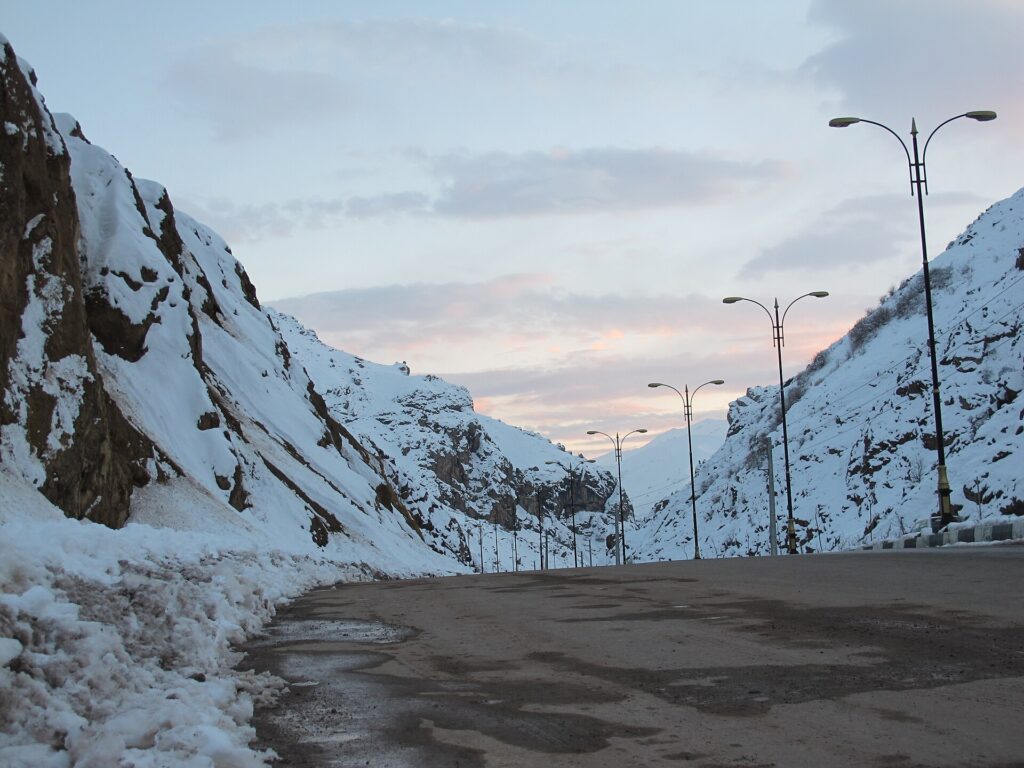
Afjeh and Barg-e Jahan (north-east, beyond Lavasan). Afjeh, about five kilometres north of Lavasan, is a village of old stone and mud houses, orchards and narrow lanes climbing a hillside, with a pretty waterfall nearby. Barg-e Jahan, in a high valley that from above is said to look like a plane leaf, is known for its 15-metre waterfall and the chain of smaller cascades higher up. Both are beautiful in autumn. See our Lavasan guide for more of the area.
Ammameh and Kalugan (north-east). Above Lavasan, Ammameh is a village of terraced orchards and stone houses in a quiet valley. A trail from nearby Kalugan leads to one of the tallest waterfalls in the Shemiranat district.
How to visit. A car or a hired driver makes these trips much easier, although minibuses run to the larger villages from the edge of the city. Wear proper shoes for the waterfall walks, take water and snacks, and bring warm clothes, because the villages are at 1,800 to 2,500 metres and much colder than Tehran. Respect private orchards and land, take your rubbish home, and dress modestly, especially at the shrine villages. For a bigger day out, see our guide to the best day trip to Damavand or our wider guide to parks, hiking and the outdoors around Tehran.