Updated November 2026 We have refreshed this guide to Lavasan with current travel routes and practical tips for a day trip or overnight stay from Tehran.
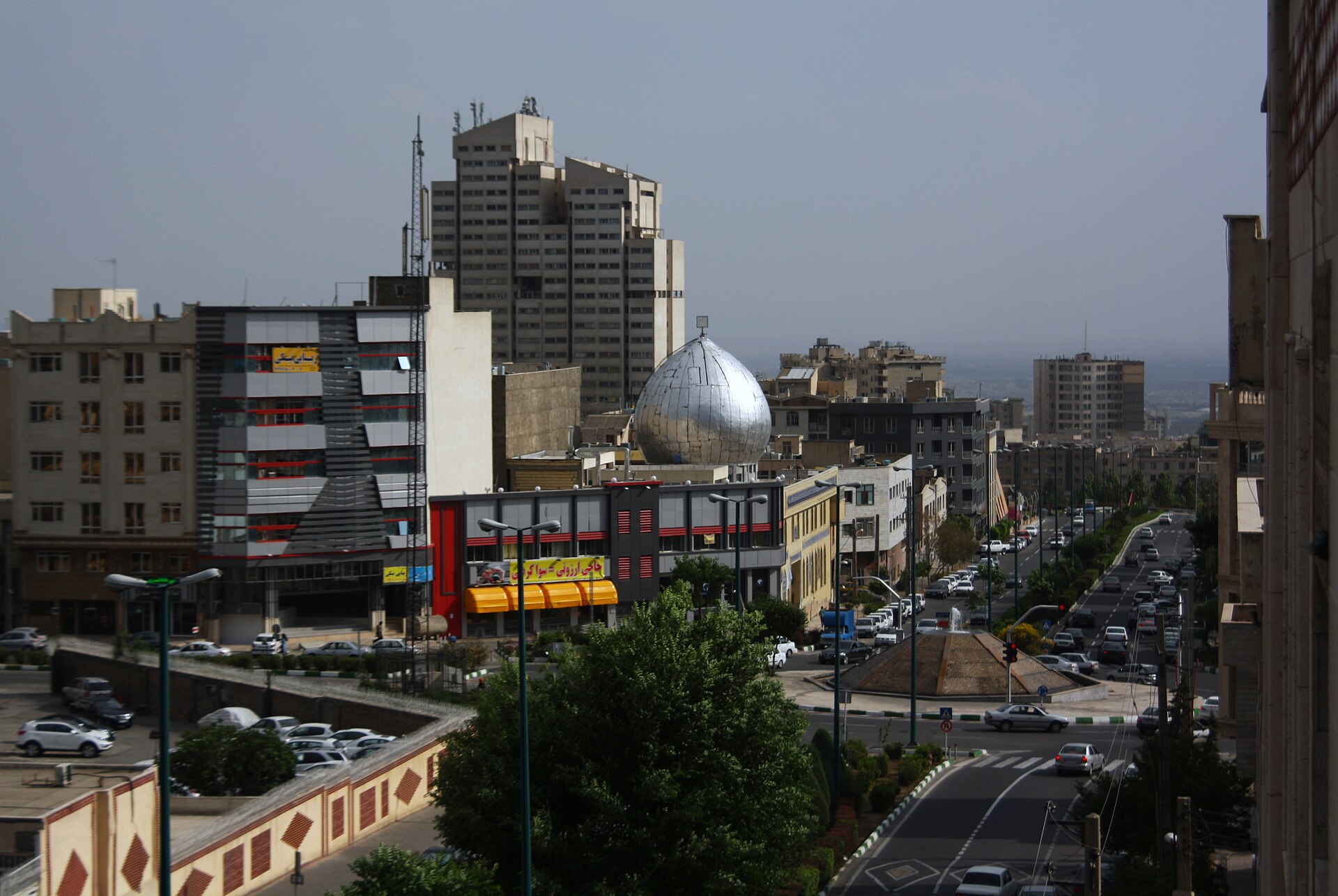
Lavasan is the easiest escape to the country from Tehran: a green, well-heeled mountain town just over the hills north-east of the capital, with cooler air, orchards, hiking trails and the Latyan Dam lake on its doorstep. On a clear day you can leave the traffic of north Tehran behind and be sitting in a garden café in Lavasan in well under an hour.

The town sits at around 1,700 metres on the slopes of the Alborz, on the north bank of the Jajrud river, and is the main town of the Lavasanat district of Shemiranat County. It covers roughly 70 square kilometres and had a little over 18,000 residents at the last census, although the population swells at weekends and in summer, when Tehranis head up to their second homes. The climate is noticeably fresher than the city’s: summer days are warm but the evenings are cool, while winters are cold, with frequent snow on the surrounding peaks.
Lavasan has a reputation as Tehran’s playground for the wealthy, and you will hear it jokingly called the Beverly Hills or the Switzerland of Tehran. Large villas sit behind high walls, some of them strikingly modern, and the town has long attracted footballers, actors and business people. The area around Asalak in particular is known for its unusual contemporary architecture. Yet the old Lavasan is still there too: many local families have farmed the valley for generations, and their walled gardens and orchards are a large part of the town’s charm.

Getting there
Two main roads cross the Quchak Pass, at about 1,930 metres, into Lavasan: one from Tajrish and the north of the city, the other from Tehranpars in the east. Without traffic the drive takes 30 to 45 minutes, but on Thursday afternoons and Friday mornings the roads can be slow, so set off early. A ride-hailing app will take you there, but finding a car back can be harder in the evening, so many visitors agree a return trip with the driver or go with friends who have a car. In winter, check the road conditions and carry chains or use a car with winter tyres.
Lavasan-e Bozorg and Lavasan-e Kuchak
The area is traditionally divided into Lavasan-e Bozorg (Greater Lavasan) and Lavasan-e Kuchak (Lesser Lavasan), each with a string of villages strung along the valleys. Names to look for include Afjeh, Niknam Deh, Barg-e Jahan and Kond-e Olya, as well as the protected area of Varjin. The higher you go, the greener and quieter it becomes.
Afjeh and the trail to Dasht-e Havij
Afjeh is one of the best-known villages, with a history said to go back to Safavid times. Many residents still keep livestock and orchards, so expect to share the lanes with cattle. It is also the starting point for one of the area’s most popular walks, which climbs into the mountains behind the village towards the high meadows of Dasht-e Havij, at around 3,000 metres. In spring and early summer the slopes are covered with wild herbs and flowers, and the grassy plateau at the top is a favourite picnic spot. It is a full day’s hike, so start early, take plenty of water and layers, and check the weather, as conditions change quickly at altitude.

Kond-e Olya
Kond-e Olya, in Lesser Lavasan, is greener and damper than Afjeh, with streams, small waterfalls and old stone ruins scattered through the valley. Local orchards grow walnuts, cherries, sour cherries and apples, and in early summer you will find fruit for sale at the roadside.
Latyan Dam
The Latyan Dam lies south-east of the town on the Jajrud river. Built between 1963 and 1967, it is one of the main sources of drinking water for Tehran and also generates hydroelectric power. The views across the reservoir to the mountains are lovely, especially in the late afternoon, and the roads around the lake are popular for a drive. Swimming and boating are not allowed, as it is a drinking-water reservoir, and water levels can be low after dry years.

Practical tips
- Lavasan is safe and well served, with shops, pharmacies, a medical centre and plenty of cafés and garden restaurants, so you do not need to bring much with you.
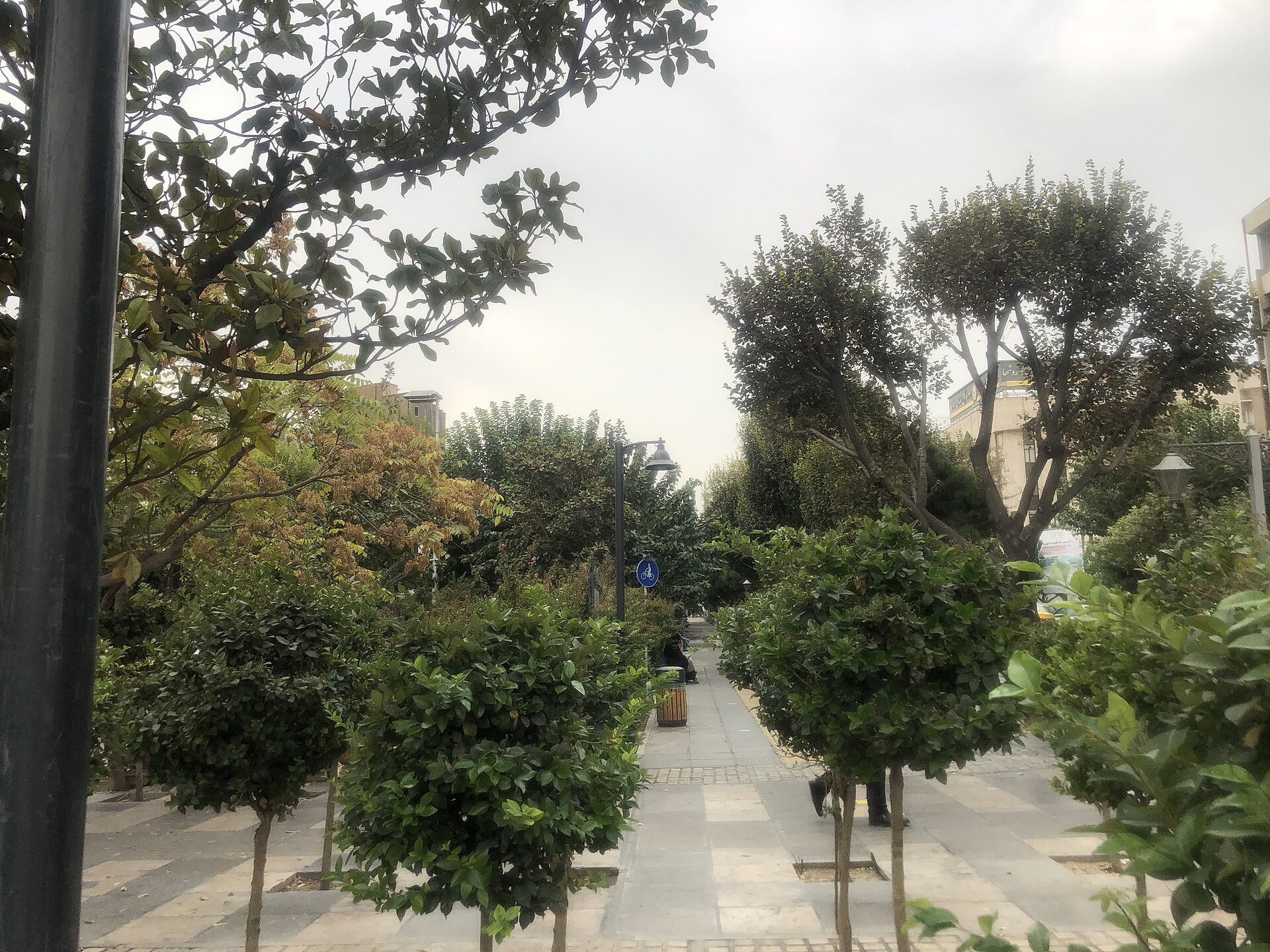
- After dark the town’s streets and parks are lit up, and an evening meal in one of the garden restaurants makes a good end to a day out.
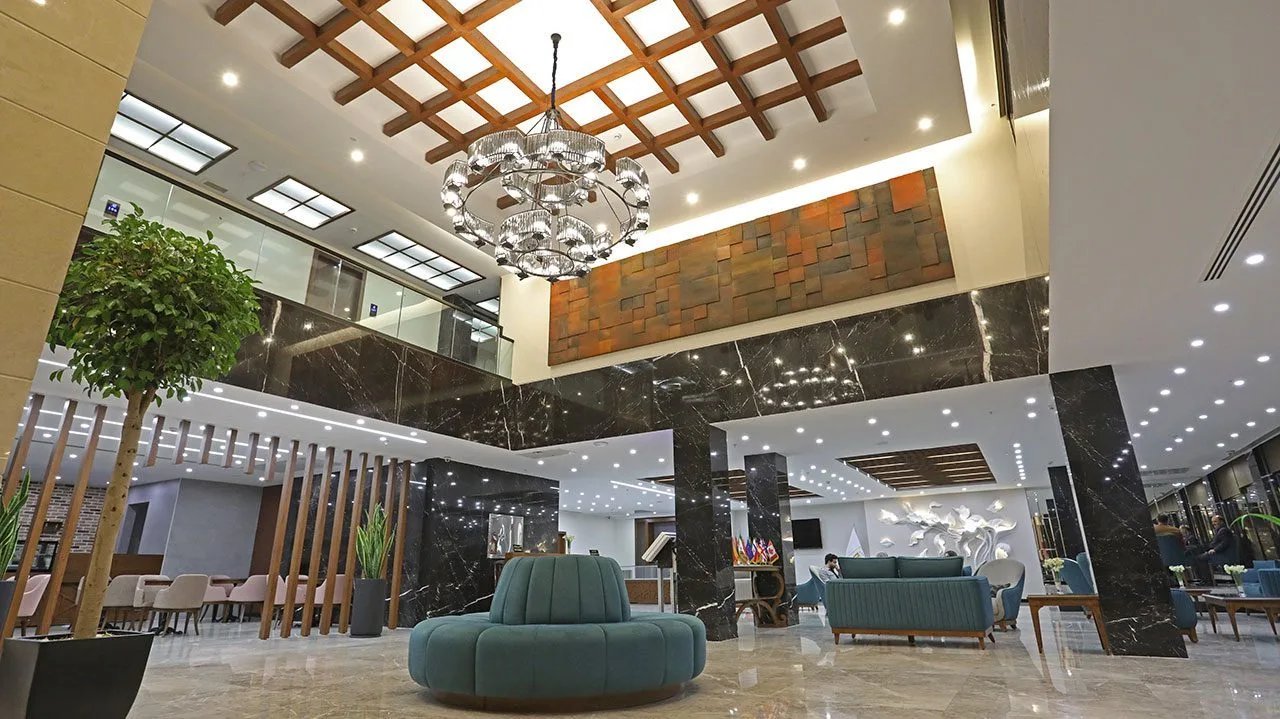
- If you want to stay overnight, there are guesthouses and villa rentals in the area; book ahead for weekends and holidays.
- Most land is private, so stick to public trails and roads and ask before entering gardens or orchards.
- Prices in Lavasan’s cafés and restaurants are higher than in most of Tehran. For a sense of current costs, see our Iran price trackers.

For more ideas for days out from the capital, browse our city guide section.