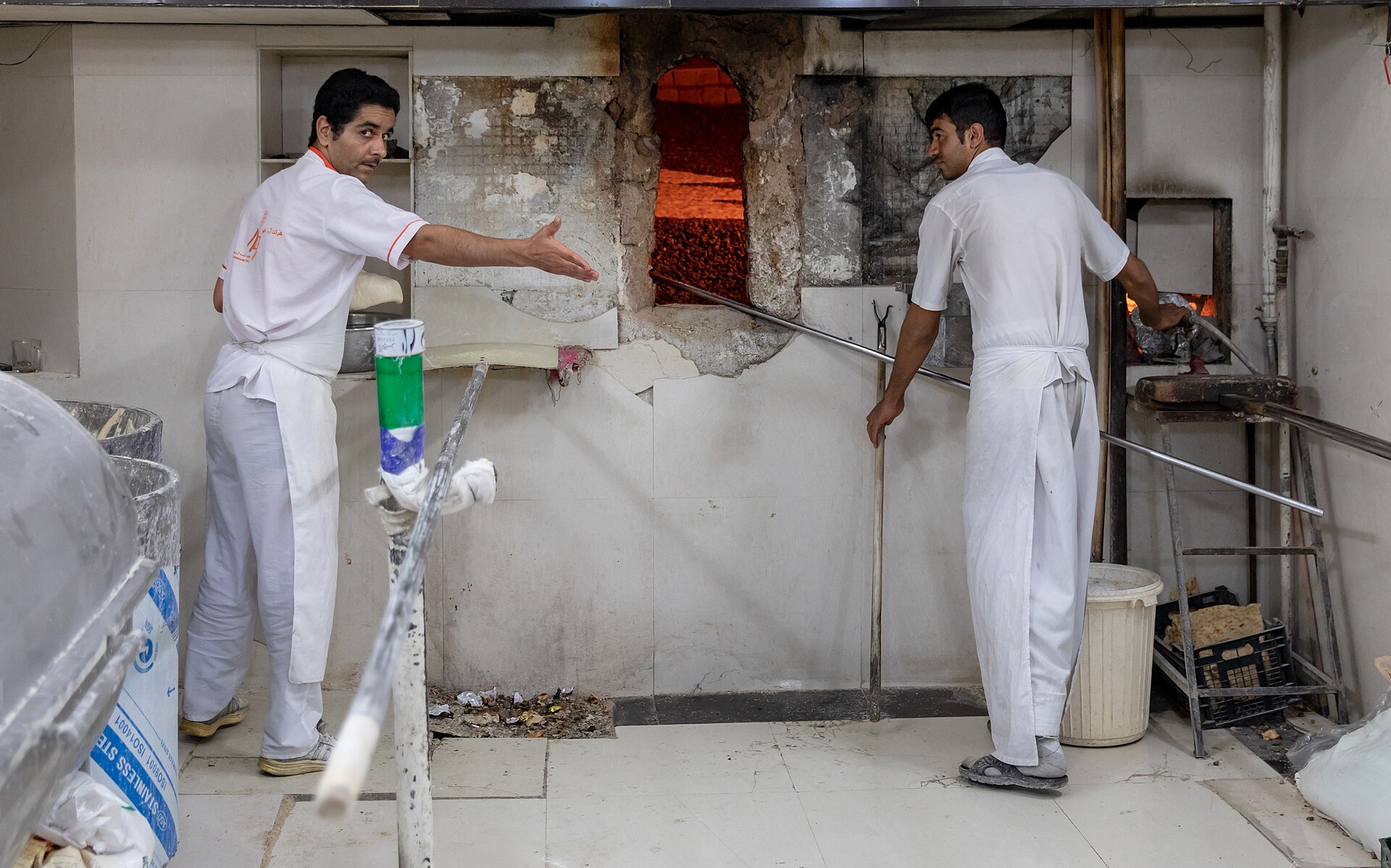
Bread is at the heart of every meal in Iran, and in Tehran almost every street has its own bakery, or nanvaei, turning out flatbreads from dawn until the evening. Add the city’s pastry shops, with their glass cabinets full of saffron, rosewater and pistachio sweets, and you have one of the cheapest and most delicious ways to explore Persian food. Here is what to look for and how to buy it.
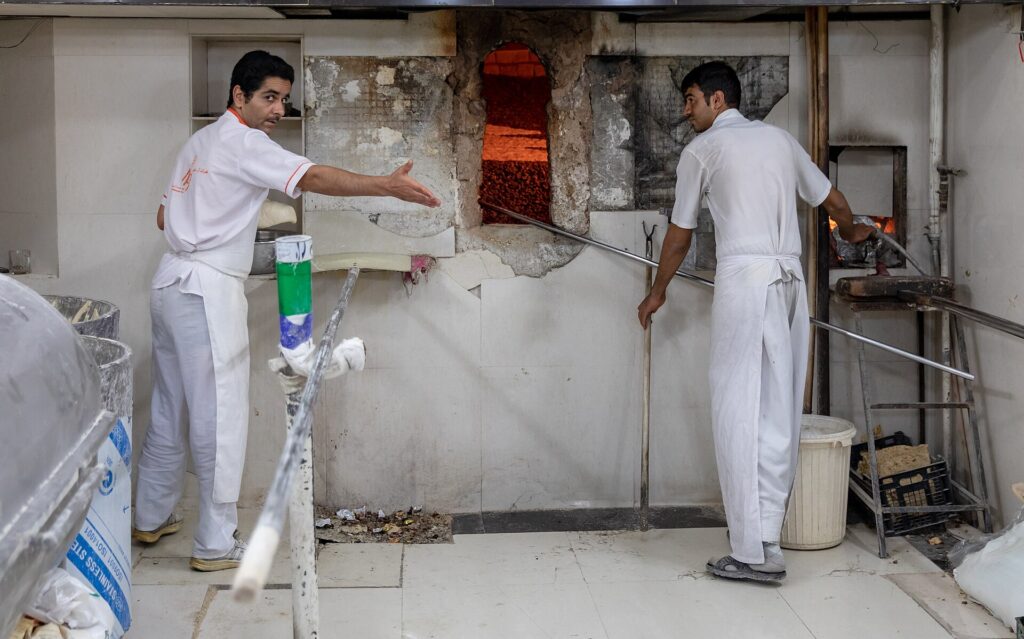
Sangak. Iran’s national bread, and Tehran’s favourite. The dough is slapped onto a bed of hot pebbles in a deep oven, giving a long, dimpled wholewheat flatbread with a smoky crust. Ask for it with sesame (ba konjed) or poppy seeds, and pick off any pebbles that stick. Sangak is best eaten warm with cheese, walnuts and fresh herbs for breakfast.
Barbari. A thick, oval bread with a golden, ridged crust, glazed and scattered with sesame or nigella seeds. It is the classic breakfast bread in Tehran. The best barbari bakeries have long queues before 8am.
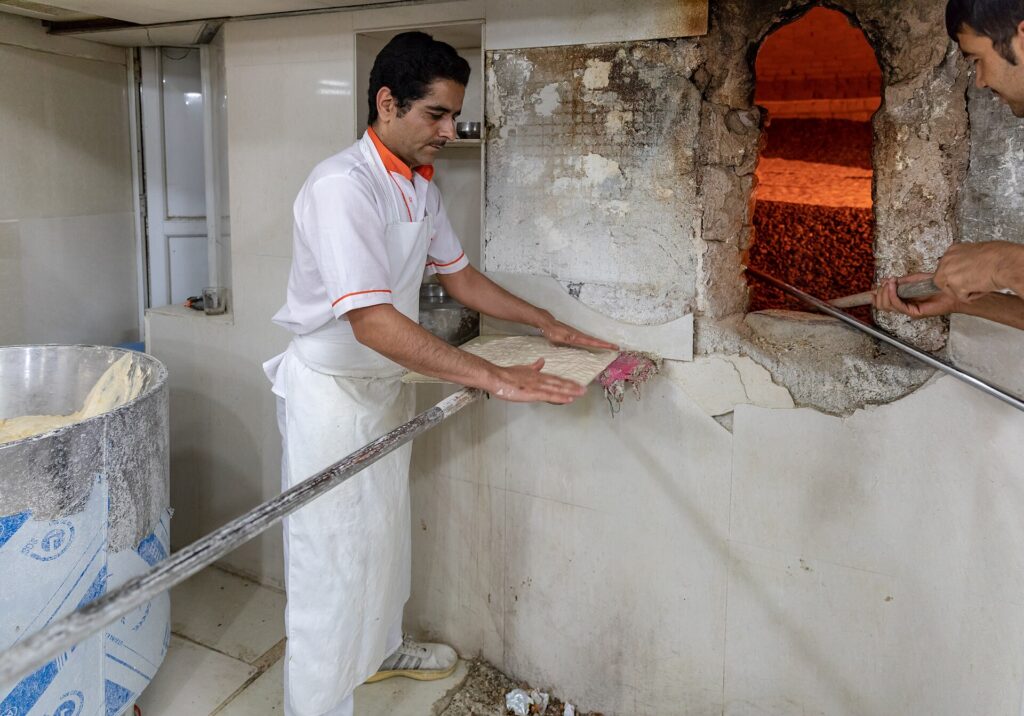
Lavash and taftoon. Lavash is the paper-thin flatbread used to wrap kebabs and served in most restaurants, and it keeps for days. Taftoon is a thin, round bread slapped onto the wall of a tandoor-style oven, softer than lavash and great for scooping up stews.
How to buy bread. Neighbourhood bakeries are usually specialists, making just one type of bread. Join the queue, tell the baker how many pieces you want, and pay at the counter, which these days usually means a card machine. Many Tehranis lay their hot bread on the racks outside to cool before folding it, so it does not go soggy. Bread is subsidised and very cheap, and the bakeries busiest at breakfast and dinner time are usually the best.
Pastry shops. Tehran’s shirini forooshi, or pastry shops, are a feast for the eyes. Look out for nan-e berenji (rice-flour cookies with rosewater and poppy seeds), nan-e nokhodchi (clover-shaped chickpea cookies), baklava, which here is drier and more delicate than the Turkish version and flavoured with rosewater and cardamom, and koloocheh, filled cookies from the north. Big Yazd confectioners such as Haj Khalifeh Ali Rahbar have branches in Tehran selling baklava, qottab and pashmak.
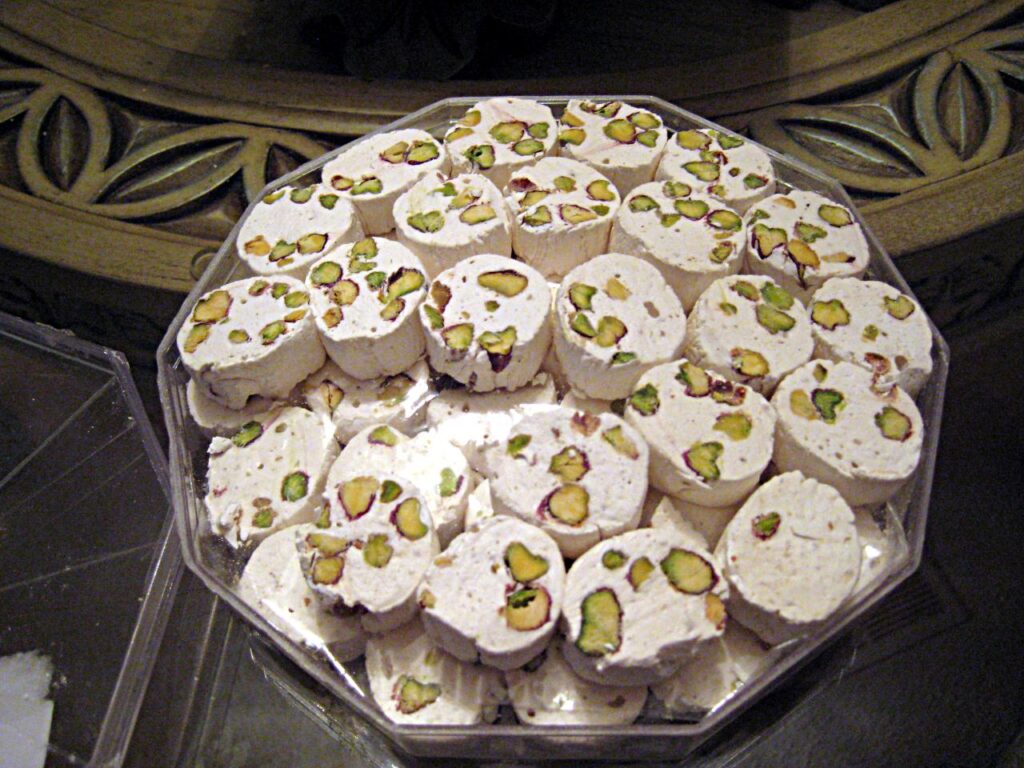
Seasonal sweets. Some sweets only appear at certain times of year. During Ramadan, look for zoolbia and bamieh, deep-fried and soaked in syrup. Before Nowruz, pastry shops fill with special boxes for guests, and the queues stretch down the street. At Yalda Night in December, look for pomegranate-themed sweets and nuts.
Where to explore. The Grand Bazaar and Tajrish Bazaar both have long-established confectioners and nut sellers, and many neighbourhoods have a well-known pastry shop that locals will happily point you to. Read our guides to the Grand Bazaar and Tajrish Bazaar, and our guide to restaurants and cafés in Tehran.