Updated November 2026 We have rechecked the bazaar’s sections, metro access and nearby sights; traders began reopening in April 2026 after a closure of several weeks during the conflict.
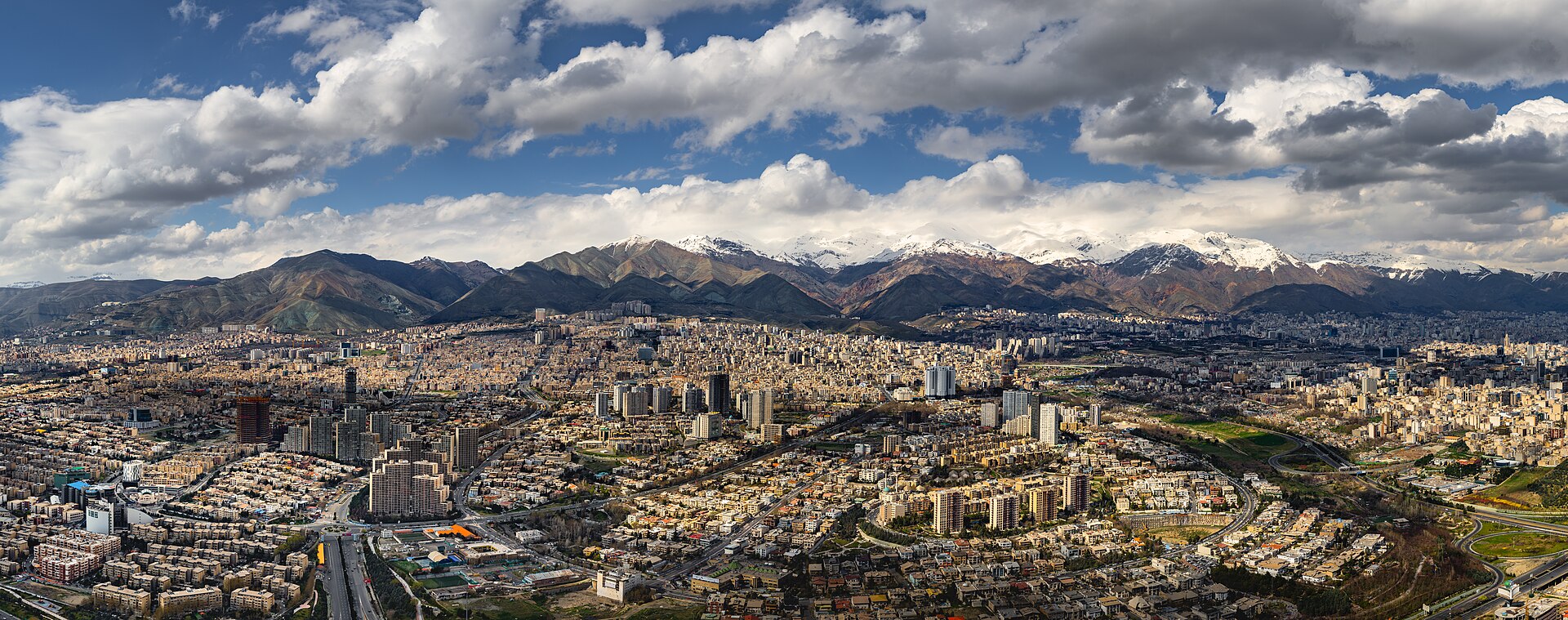
The Grand Bazaar of Tehran is the city’s historic marketplace and still its busiest. Spread around Arg Square in the south of the city, it is a maze of covered lanes, domed halls and caravanserais where Tehranis come to buy everything from spices and fabrics to gold, stationery and luggage. It is very much a working market rather than a tourist attraction, which is exactly what makes it worth visiting.

The Grand Bazaar stretches over more than 10 kilometres of corridors, and each part tends to specialise in one trade. That makes it easy to get lost but also easy to find what you need once you know where to head. There are several entrances; the main one is on Sabzeh Meydan, on the northern side.
Like much of Tehran’s commercial life, the bazaar was disrupted during the 2026 conflict. Traders began reopening their shops during the April ceasefire, although some businesses were still recovering, as reported at the time.
Sections worth knowing
- Jafari Bazaar is one of the busiest corners, packed with scarves, gloves and hats at prices well below those in north Tehran shops.
- Chahar Suq is the place for fresh and dried fruit, vegetables and nuts.
- Zargarha, the goldsmiths’ bazaar, is lined with jewellers selling gold, jewellery and watches, often more cheaply than uptown gold shops.
- Hajeb-od-Dowleh sells home decor and household accessories.
- Marvi Alley (Kucheh Marvi) is known for make-up and beauty products at reasonable prices.
- Bein-ol-Haramein is the stationery quarter, with art and design supplies from many brands.
- Moshir Khalvat specialises in bags of every kind, from backpacks and sports bags to children’s bags and suitcases. It is largely wholesale, so some shops may not sell you a single item.
Bargaining is normal for many goods, especially carpets, handicrafts and anything without a printed price, but not for food staples. Most traders deal in cash or local bank cards; foreign cards do not work in Iran, so bring rials. Our Iran prices tracker will give you a sense of what things should cost.
Getting there

The metro is by far the easiest way to reach the bazaar. Khayam station on Line 1 opens right beside it, and Panzdah-e Khordad, one stop north on the same line, is also close to the main entrance. Avoid taxis if you can: the streets around the bazaar are jammed with motorbikes, vans and delivery carts for most of the day, and the metro is quicker and cheaper.
Practical tips
- Go in the morning, when the lanes are busy but not yet overwhelming. Many shops close on Fridays and public holidays.
- Watch out for porters pushing heavy carts and motorbikes squeezing through the narrower lanes.
- Keep your phone and wallet in a front pocket in crowded sections.
- Public toilets for men and women are at the Imam Khomeini Mosque (formerly the Shah Mosque) inside the bazaar. Barriers at the entrance, designed to keep motorbikes out, leave only a narrow gap, which some visitors may find difficult.
Historic sights nearby
The bazaar sits in the old heart of Tehran, so it is easy to combine with other sights.
- Golestan Palace, a short walk away, is a UNESCO World Heritage Site with richly decorated Qajar-era halls, museums and gardens.
- Masoudieh Palace is a 19th-century Qajar complex known for its tilework and stucco.
- The National Museum of Iran covers Iranian history from prehistoric times to the Islamic era.
- Azadi Tower, further west, was built in 1971 and mixes traditional and modern Iranian design.
- Toghrol Tower in Rey, south of the city, is a 12th-century Seljuk brick tower.

Learn the Persian: Persia Learning’s lesson on shopping and the bazaar covers asking prices, bargaining and asking for a discount. Try the first lesson free →