Ash-e anar is the Persian pomegranate soup of winter. Herbs, lentils, chickpeas and rice cook down into a thick green pot, and sour pomegranate juice turns it sharp and red-brown. Diced beetroot adds sweetness and colour. It is a favourite on Yalda Night, when pomegranates are everywhere.
This version is the northern style, with no meat. It goes well alongside our ash-e shooli from Yazd, its beetroot cousin.
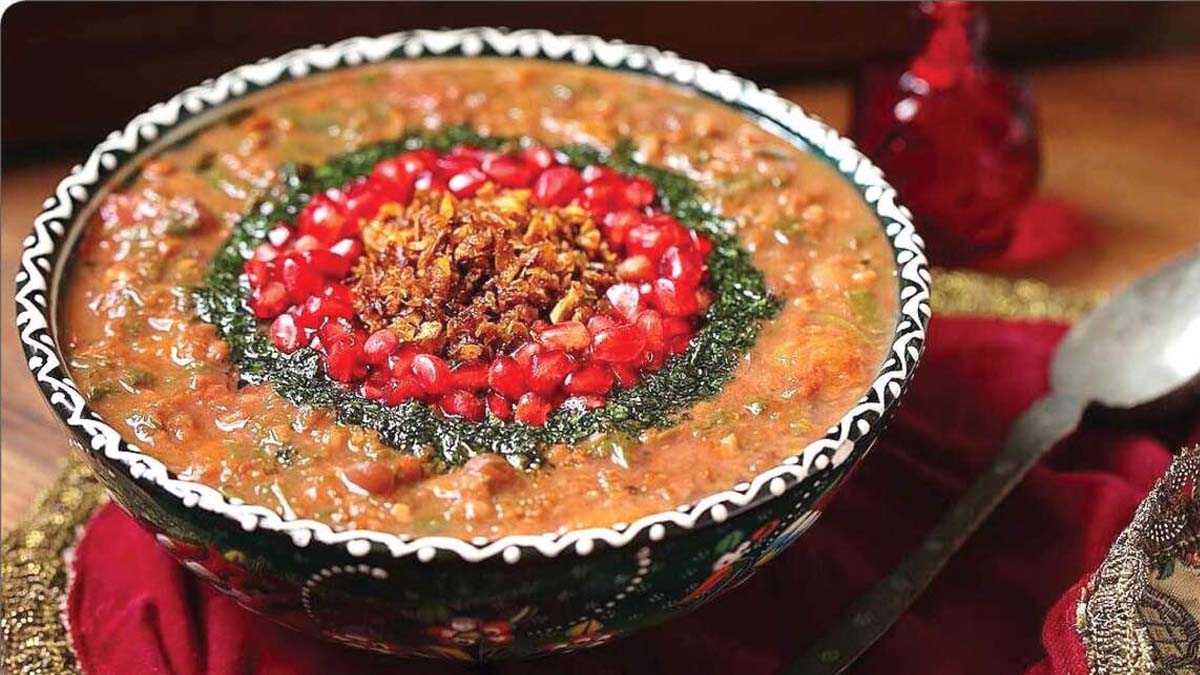
Ash-e anar ingredients
Serves 6. Soak the pulses the night before. Cooking takes about 2 hours. A cup here is a standard 240ml measure.
- 500g mixed ash herbs: parsley, coriander, spinach and chives
- 240ml sour pomegranate juice
- 2 medium beetroot, raw
- 2 onions
- ½ cup rice (about 100g)
- ½ cup chickpeas (about 100g), soaked overnight
- ½ cup green or brown lentils (about 100g), soaked overnight
- 2 tbsp dried mint
- 1 tsp turmeric
- Salt and black pepper
- Vegetable oil
- Pomegranate seeds, to serve
- About 2 litres water
How to make ash-e anar
- Drain the soaked chickpeas and lentils. Put them in a large pot with plenty of fresh water and simmer gently until tender, about 1 hour.
- Rinse the rice and add it to the pot. It thickens the soup as it cooks.
- Peel the beetroot and cut it into small cubes. Small pieces colour the soup faster and are easier to eat. Add them to the pot.
- Wash, dry and finely chop the herbs. Stir them in and simmer on a low heat for 30 to 40 minutes, stirring now and then so nothing sticks.
- Slice the onions thinly and fry them in oil until deep golden. Stir in the turmeric for a few seconds. Add half to the pot.
- Pour in the pomegranate juice. Season with salt and pepper, then taste. Add more juice if you want it sourer. Simmer for another 10 minutes.
- Warm the dried mint in a spoonful of oil for a few seconds only, so it does not burn.
- Ladle into bowls. Top with the rest of the fried onion, a swirl of mint oil and a handful of pomegranate seeds.
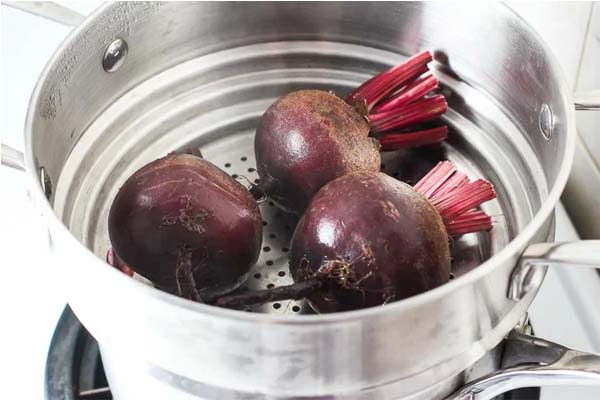
No pomegranate juice?
Sour pomegranate juice is hard to find outside Iran. Use 3 to 4 tablespoons of pomegranate molasses loosened with a little hot water instead. Add it slowly and taste as you go, because brands vary in sourness.
Ash-e anar across Iran
Every region claims this soup. Cooks in Shiraz make a richer version with small meatballs. In Gilan the rule is no meat at all. In Yazd, split peas and rice replace the chickpeas and lentils.
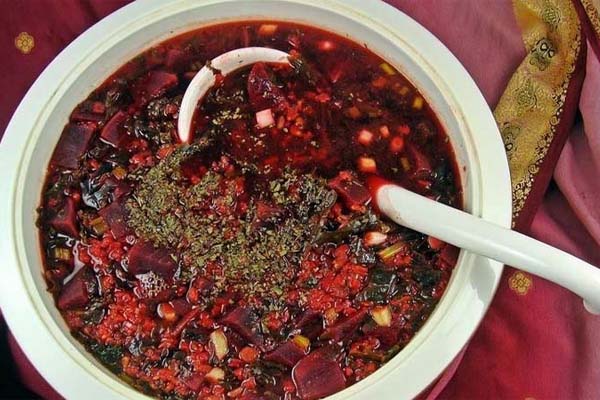
Keeping and reheating
Ash-e anar keeps for three days in the fridge and tastes better the next day. Add a splash of hot water when you reheat it, and check the sourness again. For more dishes for the longest night, see our Yalda Night food guide.
Adapted from a recipe for Kalleh.
Anar is the Persian word for pomegranate, and ash is the name for any thick Iranian soup.
This ash-e anar recipe contains affiliate links. If you buy through them, LiT may earn a commission at no extra cost to you. As an Amazon Associate, LiT earns from qualifying purchases. See our affiliate disclosure.
Shop the ingredients
Everything for ash-e anar, ready to order.
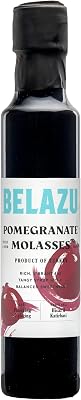
Belazu pomegranate molasses
The easiest stand-in for sour pomegranate juice.

Dried mint leaves
For the mint oil on top.

Pomegranate deseeder
Seeds out fast for the garnish.

Tefal 24cm stewpot
Big enough for a full pot of ash.

Pipar advieh spice blend
Warm Persian spice for the onions.

Joon: Persian Cooking Made Simple
More Persian soups and stews.
A note on our affiliate links: LiT’s affiliate earnings are not earned from inside Iran. Our partners are international companies based outside the country, and no commission is paid to us by any business in Iran.