This guide contains affiliate links. If you buy through them, LiT may earn a commission at no extra cost to you. See our affiliate disclosure.
Knowing how to pay in Iran is the hardest part of planning a trip. Sanctions stop Visa and Mastercard working, so most visitors arrive with all their money in euros or dollars and end up carrying thick bundles of rial notes. That is starting to change. On 16 November the Central Bank of Iran said six banks were now issuing prepaid rial cards to foreign visitors, the state news agency IRNA reported.
Here are eight ways to pay in Iran in 2026, and to carry less cash while you do it.
1. Buy a prepaid rial card
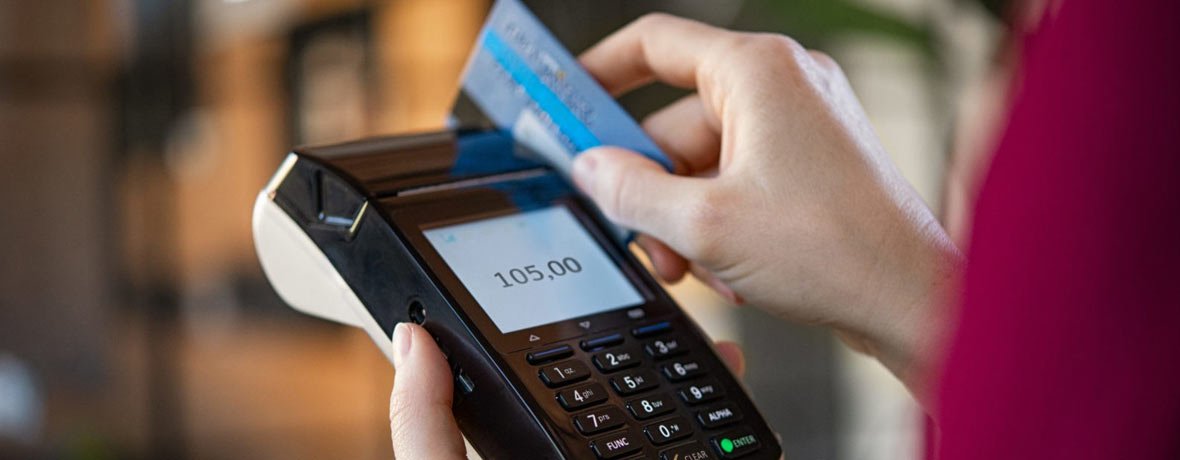
The new cards are the biggest change in years for foreign tourists, pilgrims and medical visitors. They work at more than 10mn payment terminals and on every domestic online payment gateway. Six banks issue them: Bank Saderat Iran, Refah Kargaran, Shahr, Day, Qarz al-Hasaneh Mehr Iran and Sina.
You can buy one at bank branches, airport counters, ATMs and kiosks, or from licensed exchange offices at hotels, border crossings and pilgrimage cities. Load up to the rial equivalent of €5,000 and top it up as you go. When you leave, you can change any unused rials back into foreign currency.
The cards are new and will not be on sale everywhere at first. They only work inside Iran. Bring some cash as a back-up.
2. Bring euros or dollars in clean notes
Cash is still the safest way to pay in Iran in your first days. Bring new, undamaged euro or dollar notes, because exchange offices often refuse torn or old ones. Our guide to exchanging money in Iran explains where to change it and how to get a fair rate.
3. Change a little at the airport
Change only what you need for a taxi and your first meal at Imam Khomeini airport. City exchange offices usually offer better rates. Our guide to changing currency at Tehran’s airports covers where the desks are.
4. Learn tomans and rials before you pay
Prices are written in rials but quoted out loud in tomans. One toman is ten rials, and mixing them up is the easiest way to overpay. Our explainer on the difference between tomans and rials sorts it out. Learning Persian numbers helps even more. Persia Learning runs online Persian courses for travellers.
5. Prepay your tour through a licensed agency
Since late summer 2025, foreign tourists have been expected to visit Iran on an organised tour. Paying for the tour before you travel means hotels, transport and your guide are covered without carrying that money in cash. Most agencies take a bank transfer to an account outside Iran. See our list of travel agencies in Iran.
6. Book your beds in advance
Hostelworld is one of the few international sites that list places to stay in Iran. A booking secures your bed before you arrive, so you know what you will owe. Our guide to hostels in Tehran has our picks.
7. Get an eSIM before you land
Mobile data lets you use Snapp, Iran’s ride-hailing app, and pay drivers the fare shown on screen instead of haggling. An eSIM bought before you fly works from the moment you land. Our guide to the best eSIM for Iran compares the providers that cover the country.
8. Buy travel insurance that covers Iran
Hospitals in Iran ask for payment up front, in cash or by local card. Good insurance means you can claim the cost back later. Check that the policy names Iran before you buy. Our guide to travel insurance for Iran explains what to look for.
Before you pay in Iran
Keep cash in more than one place, and carry small notes for taxis and tips. Check your visa and budget against our cost of living guide before you fly.
The prepaid rial card scheme runs under rules the central bank revised in June 2026. It set up the original framework in April 2025, under a provision of Iran’s 2023 Production and Infrastructure Financing Law.
A note on our affiliate links: LiT’s affiliate earnings are not earned from inside Iran. Our partners are international companies based outside the country, and no commission is paid to us by any business in Iran.