Updated November 2026 We have checked the museum’s collection and history against its official site and removed opening times that could not be confirmed.
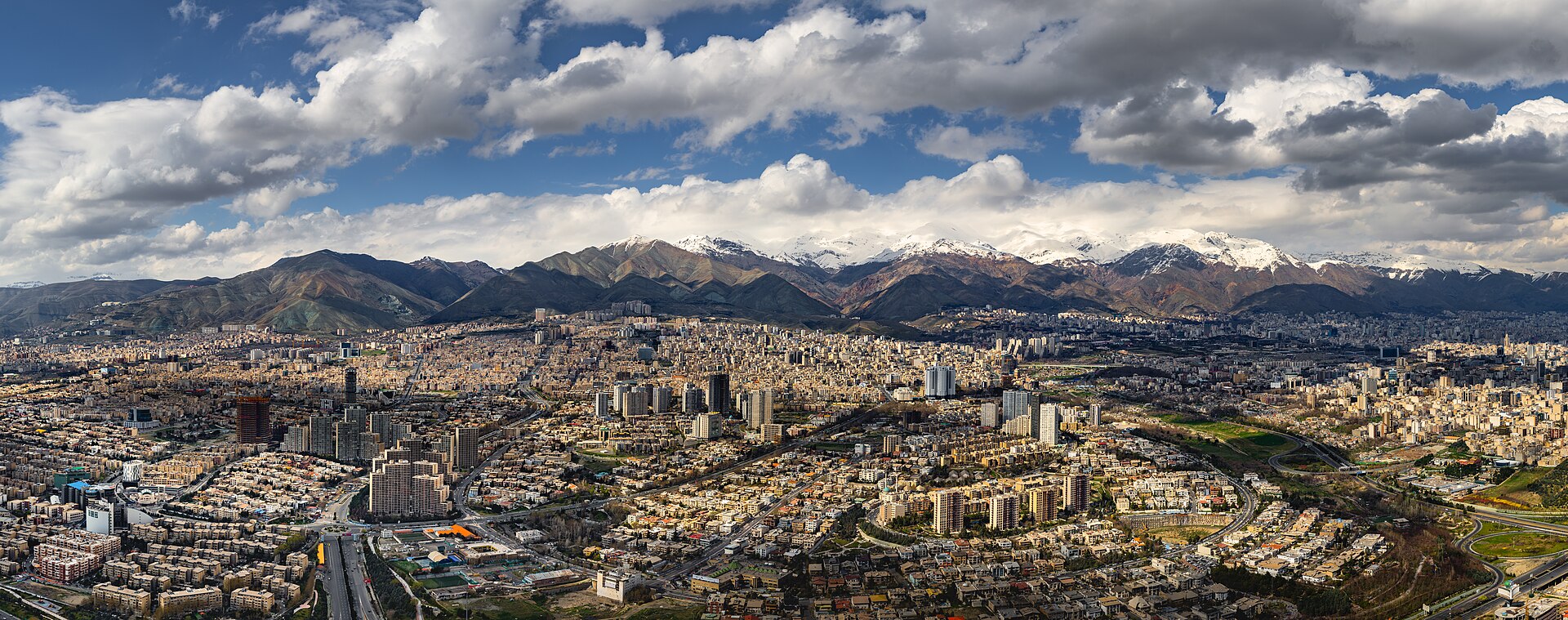
The National Museum of Medical Sciences, officially the Iranian National Museum of Medical Sciences History, traces thousands of years of medicine in Iran, from prehistoric skulls and ancient surgical tools to manuscripts by the country’s great physicians. It is Iran’s first medical museum and sits in a historic building on Farshi Moghaddam Street (16th Street) in the Amir Abad area of central Tehran, beside the University of Tehran’s north campus. Allow one to two hours.
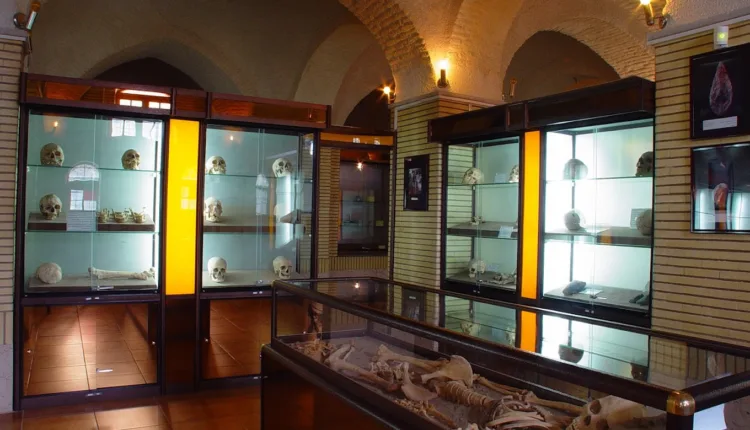
The project began in 1997 at the invitation of Iran’s cultural heritage organisation, and after several years of research and collecting the museum opened its doors in the early 2000s, according to the museum’s official site. It is run jointly by the cultural heritage authorities and Tehran University of Medical Sciences, and the historic building itself, set in a leafy courtyard, is part of the appeal.
What you will see
The collection is arranged into themed sections, including:
- ancient and historic medical instruments
- manuscripts and medical documents, and the lives of Iran’s famous physicians
- dentistry
- nursing and midwifery
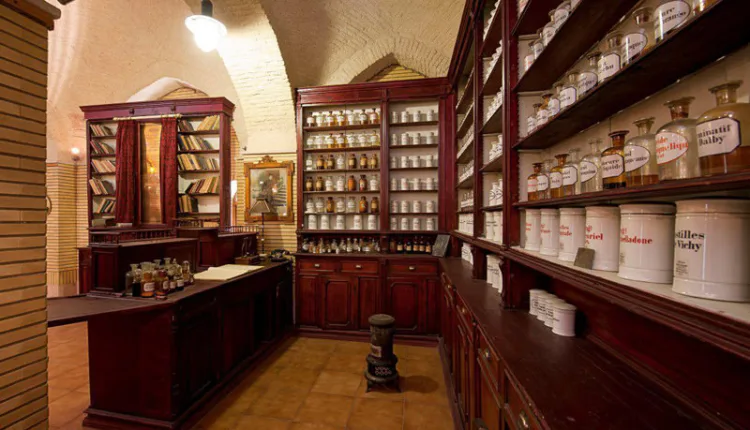
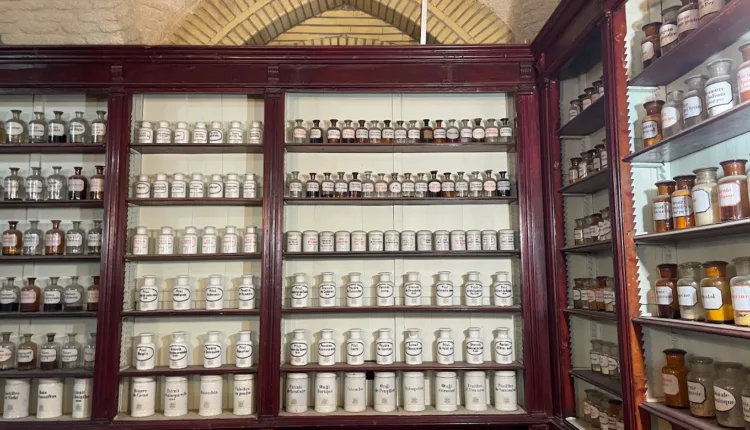
- pharmacy, herbal and traditional medicine
- veterinary medicine
- anthropology and embryology
- medicine during the Iran-Iraq War
Two exhibits draw most visitors. The first is a naturally mummified body of a woman found in Yazd province, thought to be around 900 years old. Iran has no tradition of deliberate mummification, either before or after Islam, but the region’s salty soil, dry air and lack of microbes preserved her remarkably well. The second, listed by Wikipedia among the highlights, is the skull of a 13-year-old girl dated to around 5000 BC.
The anthropology rooms also give a useful overview of prehistory, walking you through the Palaeolithic, Mesolithic, Neolithic and Chalcolithic periods before writing began, roughly 5,000 years ago. The pharmacy and traditional medicine sections are especially good if you have wandered through Tehran’s herbalists’ shops and wondered where the remedies came from.
Practical tips
The museum is part of a university complex and has traditionally kept office-style hours, opening in the mornings and early afternoons and closing on Fridays. Times can change, so check the official site or phone before you go. Labels are largely in Persian. The mummy and some anthropological exhibits may upset younger children. For current costs of entry tickets and other everyday items, see our Iran prices pages.
How to get there
- Address: 16th Street (Farshi Moghaddam), off North Kargar Street, at Entrance 2 of the University of Tehran’s north campus, opposite the Faculty of Physical Education.
- By metro: take Line 7 to Tarbiat Modares station, then walk about 800 metres.
- By car or taxi: North Kargar Street is well known to drivers; ask for the Muzeh-ye Tarikh-e Olum-e Pezeshki.
For more ideas, browse our Tehran museums section, or pair this visit with the hands-on Iranian National Science and Technology Museum, which has a gallery of reconstructed medieval surgical tools.