
Updated November 2026 We have confirmed the museum’s background and research role and removed old opening times; book or phone ahead before making the trip.
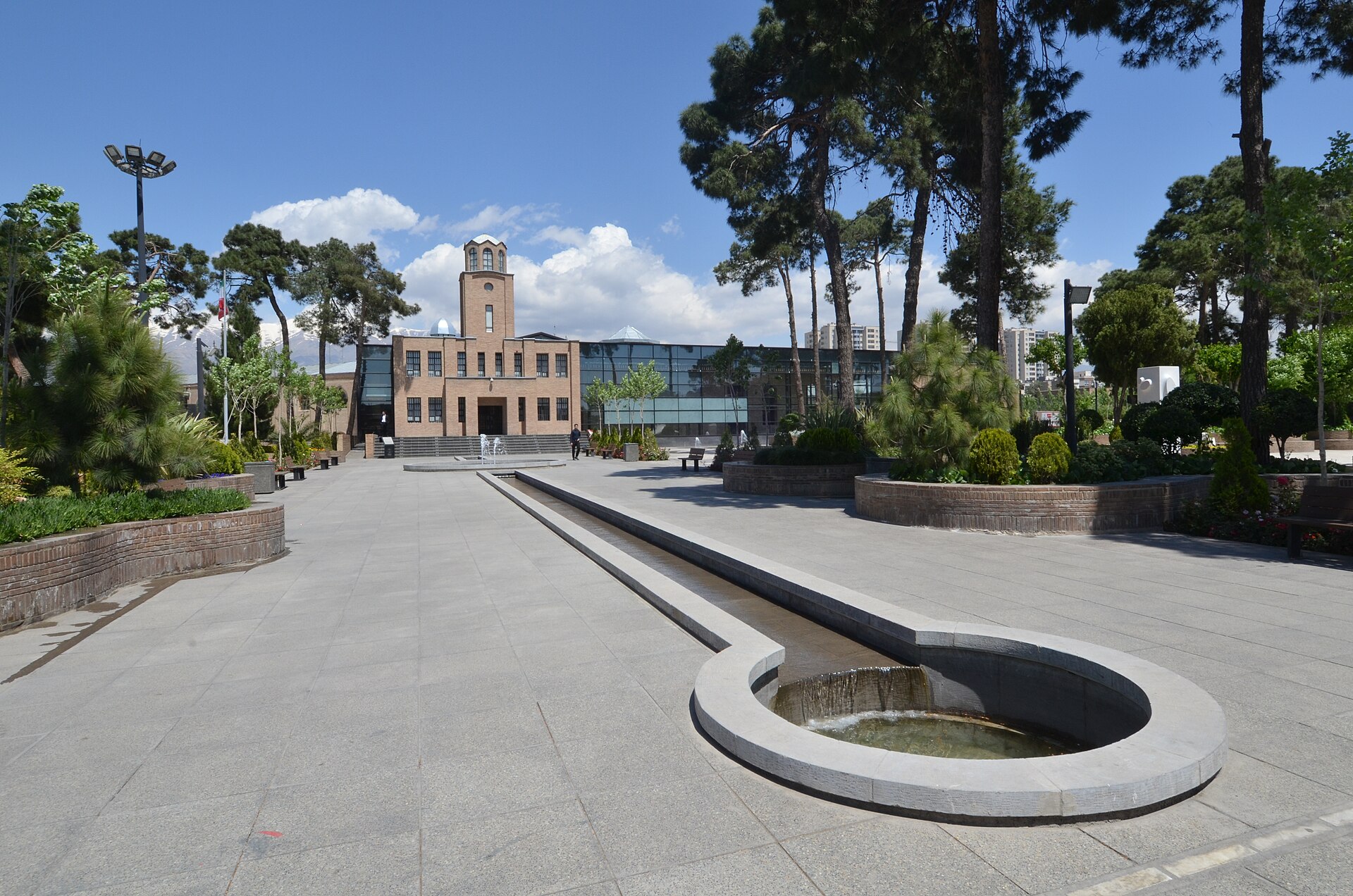
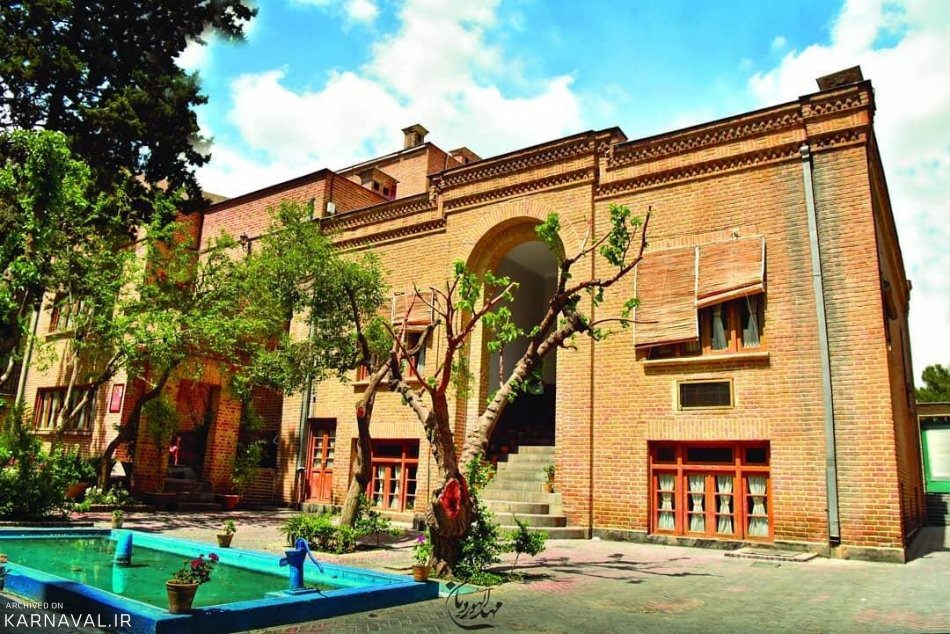
The Golsang (Lichens) Museum in Tehran, also known as the Museum of Iranian Lichens, is a small specialist museum devoted to lichens, the crusty, leafy or beard-like growths you see on rocks and tree bark. It is based at the Iranian Research Organization for Science and Technology (IROST) campus in Ahmadabad Mostofi, off Azadegan Highway on the south-western edge of the city. It is one of Tehran’s most unusual museums, and a rewarding outing for nature lovers, students and curious children.

What the museum is
The museum was founded in 2012 under the Iranian Research Organization for Science and Technology by lichenologist Dr Mohammad Sohrabi, who has spent years documenting Iran’s lichen flora. Its collection covers around 600 species from across the country. In a 2021 paper presented at the International Association for Lichenology symposium, Sohrabi and his colleague Masoomeh Ghobad-Nejhad described the museum as having three arms, education, research, and collection and preservation, serving the general public, students at every level and specialist researchers alike.
That mix is what makes it work. Graduate and doctoral students come here to use the herbarium, while school groups and even preschoolers are welcome, with staff explaining lichens in language suited to each age.
Why lichens are interesting
A lichen is not a single organism but a partnership: a fungus living together with an alga or a cyanobacterium, which produces food through photosynthesis. Together they form something that looks and behaves quite unlike either partner on its own.
- They are tough. Lichens grow in deserts, on mountain rock, in polar regions and in forests, and some survive temperatures far below freezing.
- They can be tiny or ancient. Some species are barely a millimetre across, while others are thought to live for thousands of years.
- They are pollution detectors. Most lichens need clean air, so scientists in several countries use them to monitor air quality.
- They are useful. Lichens are used in medicines, cosmetics and dyes, and Iranian researchers believe much of their potential here remains untapped.
In Iran you will see velvety lichen patches most easily in the damp northern forests, though they also grow on stone monuments around the country.

Visiting tips
Allow one to two hours. Because the museum sits within a research campus rather than a tourist area, it does not keep the kind of fixed public hours a city museum does, and it has historically closed one weekday. Phone IROST or have a Persian speaker arrange your visit in advance, especially if you are bringing a group. Explanations are mainly in Persian, so a Persian-speaking companion will help you get the most from the staff.
How to get there
The museum is at IROST’s Scientific and Industrial Research Centre on Shahid Ehsani Rad Street, reached via Azadegan Highway and Ahmadabad Mostofi Road and then Shahid Abolghasem Street. Public transport out here is limited, so the simplest option is a taxi or a ride-hailing app: give the driver the IROST name (Sazman-e Pazhuhesh-ha-ye Elmi va Sanati-ye Iran) and its Ahmadabad Mostofi location. If you drive, check the route on a navigation app before you leave, as the campus is a few turns off the main road.
If you enjoy natural history, the Geoscience Museum of Iran near Azadi Square makes a good companion visit. You can find more ideas in our Tehran museums section.