This page contains affiliate links. If you buy through them, LiT may earn a small commission at no extra cost to you. Read our disclosure.
Updated November 2026.
Persian food has had a good couple of decades in English. Where once there was a single classic cookbook, there is now a whole shelf. It runs from encyclopaedic regional surveys to quick weeknight books by British-Iranian cooks. If you are trying to recreate the dishes you ate in Tehran, these are the books to start with. Each was checked on Amazon UK in November 2026.
The first books on the list teach the classics. The later ones go further, into lighter cooking, the regions around Iran and the history behind the food.

1. Food of Life
by Najmieh Batmanglij
This is the standard reference, and the book many Iranians abroad were given when they left home. Batmanglij first published it in the 1980s and has expanded it ever since. The new 40th anniversary edition is a hardback.
It is huge and thorough, with the stories and customs behind each dish. Look here when you want the traditional version of something. Her later Cooking in Iran travels round the provinces collecting regional recipes.

2. Bottom of the Pot
by Naz Deravian
The title is a translation of tahdig, the crisp rice at the bottom of the pot. Deravian’s family left Iran for Rome and then Vancouver, and the book mixes her recipes with that story.
It runs to 384 pages and more than a hundred recipes. Most of the ingredients are easy to find in a Western supermarket. Deravian’s blog of the same name won a 2015 award from the International Association of Culinary Professionals.

3. The Saffron Tales
by Yasmin Khan
Khan is a British-Iranian writer who travelled around Iran to collect these recipes. The book is part travelogue and part cookbook, with photographs of the places she visited.
The instructions are short and clear. It is a good choice if you want vegetarian dishes, which make up a large share of the book.

4. Persiana
by Sabrina Ghayour
Ghayour is a London-based chef with an Iranian background, and Persiana was her first book. It takes Persian flavours and applies them to quick modern cooking.
Purists may miss some of the slow classics. For a weeknight cook, it is the easiest way in. Its success launched a whole Persiana series.

5. Pomegranates and Roses
by Ariana Bundy
Bundy collected these recipes from her own family. The book sits between the encyclopaedic and the everyday.
It has strong sections on stews and sweets. It also covers the dishes Iranians cook for celebrations.

6. Sofreh
by Nasim Alikhani
Alikhani runs Sofreh, a Persian restaurant in Brooklyn, and the book takes its name from the cloth Iranians spread for a meal. Its subtitle promises a contemporary approach to classic Persian cuisine.
The recipes are the dishes she grew up with in Iran, written for a home kitchen. It suits cooks who already know the basics and want restaurant polish.

7. The New Persian Kitchen
by Louisa Shafia
Shafia reworks the classic dishes with a lighter, vegetable-led approach.
It is the one to buy if you eat little or no meat.

8. Taste of Persia
by Naomi Duguid
Duguid travelled through Armenia, Azerbaijan, Georgia, Iran and Kurdistan to write this book. It treats Persian food as the cooking of a whole region.
It mixes recipes with travel writing and photography. It is the best pick for anyone who has followed our overland routes through Armenia and wants to cook what they ate on the way.

9. The Legendary Cuisine of Persia
by Margaret Shaida
Shaida was an Englishwoman who lived in Iran for many years. She wrote this as a history as much as a recipe book.
It is the one for readers who want to know where a dish came from as well as how to make it.
Stocking up. Whichever book you choose, most recipes rest on the same handful of ingredients. A supermarket rarely stocks them, but all of them travel well and keep for months. Saffron, dried limes and barberries cover most rice dishes and stews. Kashk and pomegranate molasses take you into the dishes most visitors remember. These are the picks we would buy first.

Banu organic saffron threads
Grind a pinch with sugar and bloom it in hot water.

Loomi whole dried limes
The sour backbone of ghormeh sabzi and gheimeh.

Dorri dried barberries
The red jewels in zereshk polo.
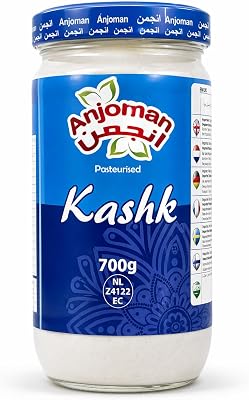
Anjoman liquid kashk
Whey for kashk-e bademjan and ash reshteh.
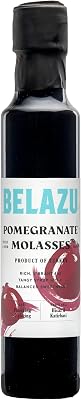
Belazu pomegranate molasses
The sweet-sour base of fesenjoon.

Pipar advieh spice blend
The warm finishing mix for rice and stews.
Our Persian pantry guide covers the rest, from golpar and sumac to dried herbs and rose water.
Kit up. Persian cooking needs very little equipment, but a few pieces make a real difference. A heavy pot is the key to tahdig. A small mortar gets the most out of expensive saffron. Flat skewers are the only way to make koobideh hold its shape.

For fluffy Iranian rice: Pars
Pars is the rice cooker brand found in Iranian homes from Tehran to Los Angeles. Its cookers steam the rice light and separate, then crisp a golden tahdig in the base of the pot. This is the non-stick pot for the five-cup Pars DRC-220, with water lines marked inside.

Tefal 24cm stewpot
A heavy non-stick pot for tahdig.

Porcelain mini mortar
The right size for saffron threads.

Flat kebab skewers
Wide blades that grip koobideh.

Pomegranate deseeder
Seeds out in seconds, without the mess.

Anjoman reshteh noodles
The thick noodles for ash reshteh.

Ghalamkar tablecloth
A hand block-printed cloth for the sofreh.
Our guide to Persian kitchen essentials explains how to use each one.
Start small. For a gentler first step, Joon is Batmanglij’s short and simple introduction. Our own Persian recipes run from ash reshteh to kebab koobideh.
Bottom of the Pot alone runs to 384 pages.