This page contains affiliate links. If you buy through them, LiT may earn a small commission at no extra cost to you. Read our disclosure.
Ask anyone in Tehran to name a poet and you will get an answer before you have finished the question. Lines of Hafez turn up in taxi conversations, on wedding invitations and in the small paper slips sold beside his tomb in Shiraz. Poetry is not a specialist interest here; it is part of how people talk. If you want to understand the city a little better, reading the great Persian poets in English is one of the best places to start, and the good news is that the translations available today are far better than they were a generation ago.
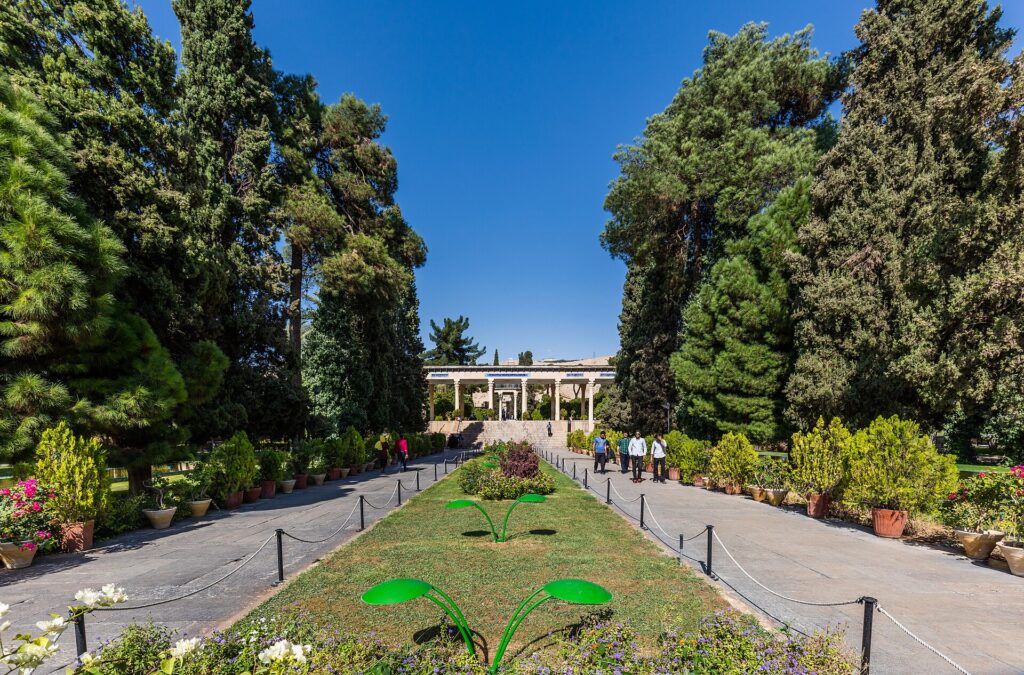
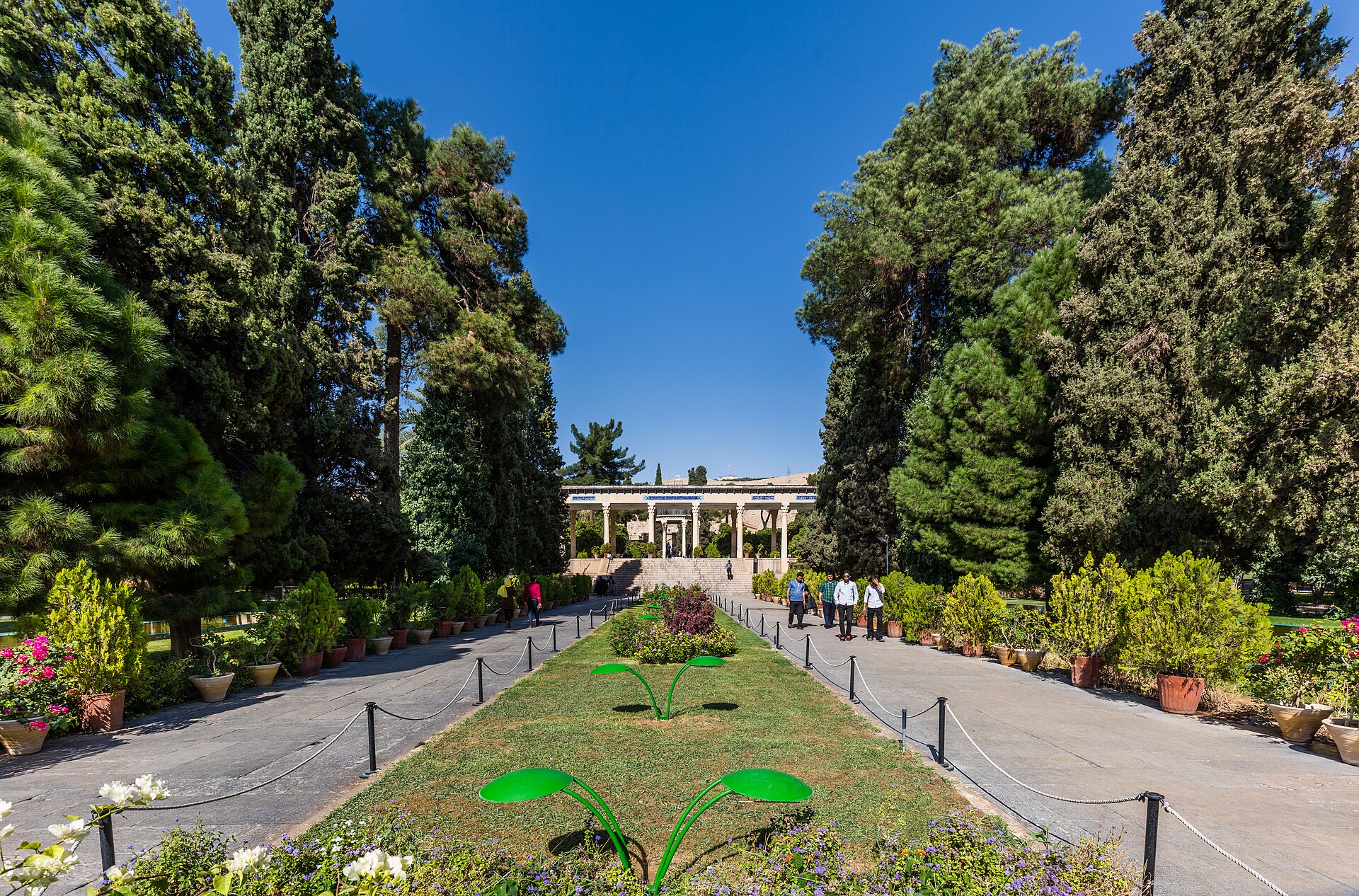
Hafez, the poet in every home. Shams al-Din Hafez lived in 14th-century Shiraz and wrote ghazals, short lyric poems that slide between wine, love, spiritual longing and sharp jabs at religious hypocrites. Many Iranian families keep a copy of his Divan and open it at random to “ask” Hafez for guidance, a custom called fal-e Hafez that is especially popular on Yalda night. For an English reader the best starting point is Dick Davis’s Faces of Love, which sets Hafez alongside two of his Shiraz contemporaries and keeps the rhyme and rhythm without forcing them. If you want the complete collection on the shelf, any edition of the Divan of Hafez will do, and a bilingual one makes a lovely present.
Rumi, the most read and most misread. Jalal al-Din Rumi was born in Balkh in the 13th century and spent most of his life in Konya, in what is now Turkey, but he wrote in Persian and Iranians count him firmly among their own. His best-selling English versions, Coleman Barks’s The Essential Rumi, are free reworkings of earlier scholarly translations rather than translations themselves, and they smooth away much of the Islamic and mystical context. They are beautiful and accessible, but if you want to hear closer to what Rumi actually wrote, try Jawid Mojaddedi’s verse translation of the Masnavi for Oxford World’s Classics.
Saadi, the moralist with a sense of humour. Saadi of Shiraz, who wrote in the 13th century, is the poet Iranian schoolchildren meet first. His Gulistan, or Rose Garden, mixes prose anecdotes with short verses about kings, dervishes, merchants and fools, and many of its lines have become everyday proverbs. Wheeler Thackston’s translation of the Gulistan is clear and faithful. A line from Saadi about all people being limbs of one body is often quoted in Iran, and you will spot it on the walls of more than one office in Tehran.
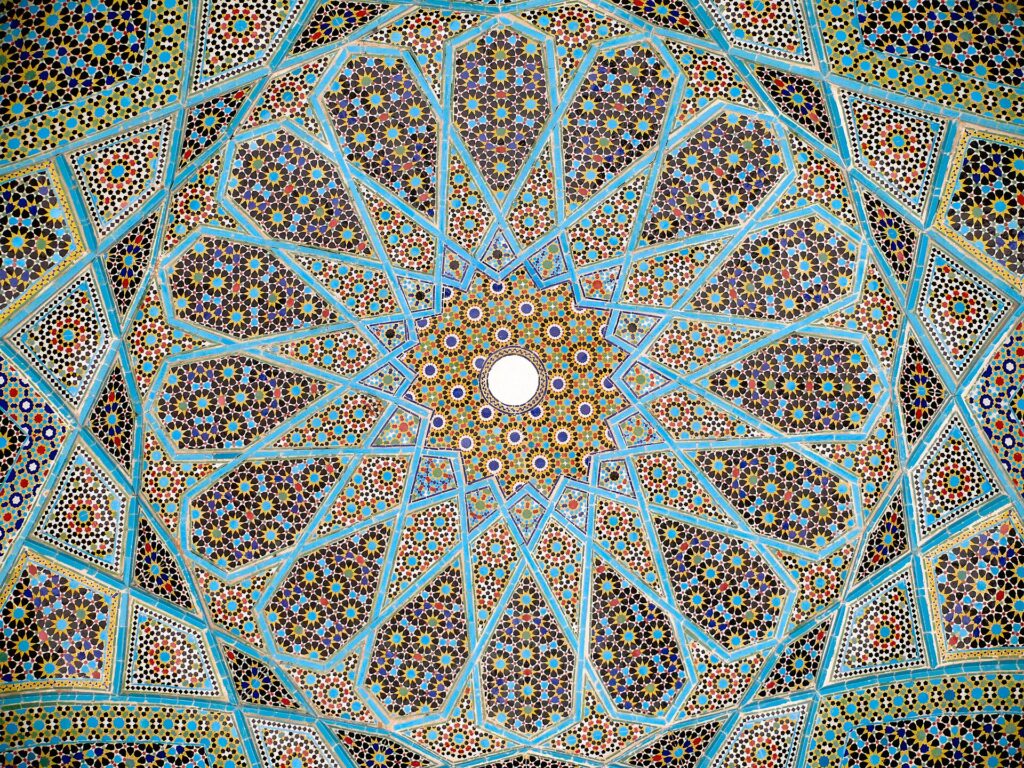
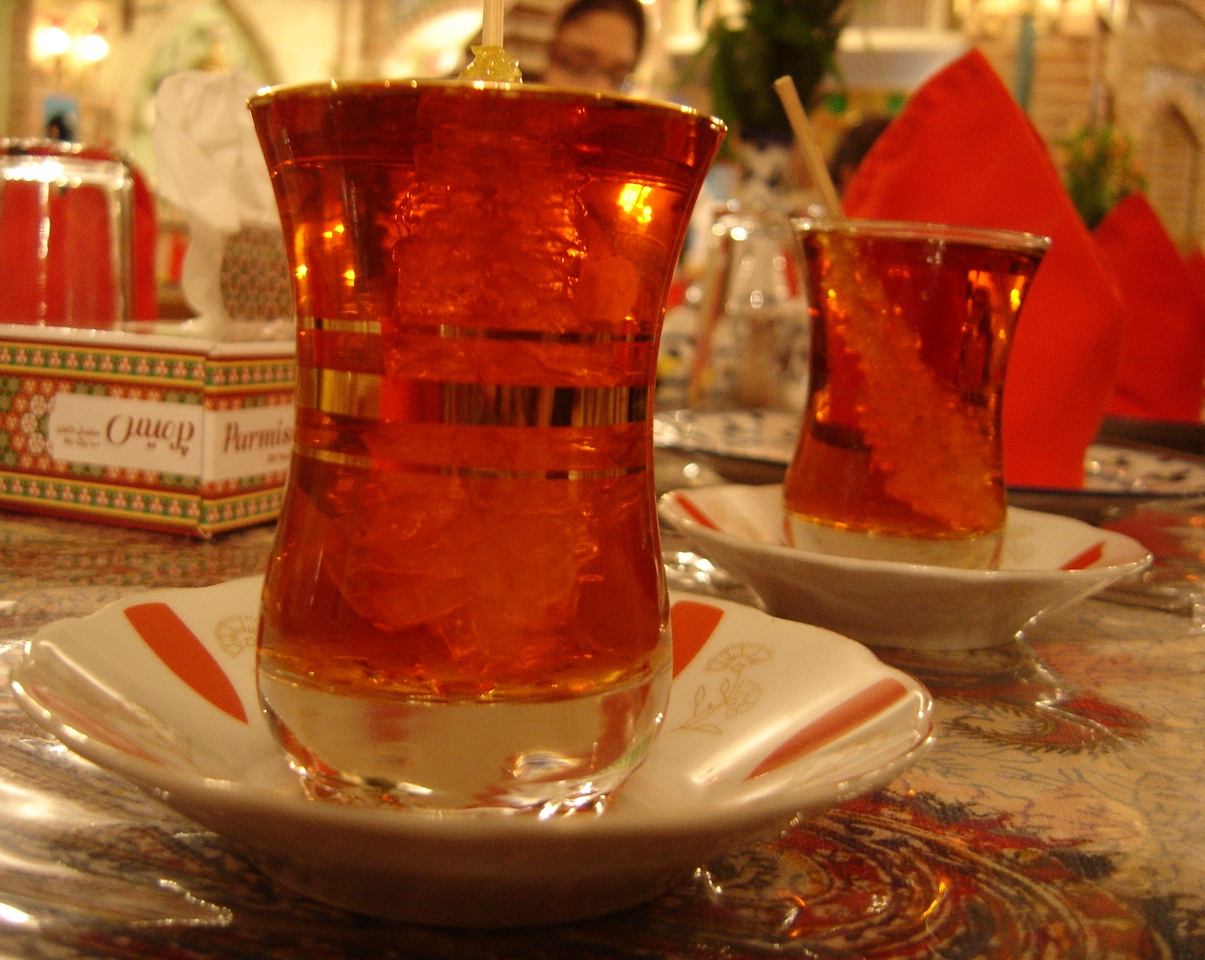
Omar Khayyam, mathematician and sceptic. Khayyam was an astronomer and mathematician of the 11th and 12th centuries, and the short quatrains attributed to him question fate, faith and the point of worrying about tomorrow. Most English readers know him through Edward FitzGerald’s 1859 Rubaiyat of Omar Khayyam, a loose and very Victorian rendering that became one of the most popular poems in the English language. It tells you as much about FitzGerald as about Khayyam, but it is still a pleasure to read with a glass of tea.
Ferdowsi and the Book of Kings. Completed around the year 1010, Ferdowsi’s Shahnameh retells the myths and legends of Iran from the creation of the world to the Arab conquest. It is the national epic, and its heroes, above all Rostam, are as familiar to Iranians as King Arthur is in Britain. Dick Davis’s Penguin translation of the Shahnameh mixes prose and verse and is the edition most readers finish. In Tehran you can still sometimes catch naqqali, the traditional performance of Shahnameh stories, in coffee houses.
Attar and the birds. Farid al-Din Attar of Nishapur wrote The Conference of the Birds, an allegory in which the birds of the world set out to find their king, the Simorgh, and discover something unexpected at the end of the journey. The Penguin Classics translation by Afkham Darbandi and Dick Davis of The Conference of the Birds is the one to get, and it is short enough to read on a long flight into Imam Khomeini Airport.
Nezami and the great romances. Nezami Ganjavi, writing in the 12th century, gave Persian literature its most famous love stories. His Layla and Majnun tells of a young man driven mad by love, and his Haft Paykar, translated by Julie Scott Meisami, follows a king who visits seven princesses in seven domed pavilions, each of whom tells him a story. Both are rich, strange and more fun than their reputations suggest.
Forough Farrokhzad, the modern voice. To balance the classics, read Forough Farrokhzad, who died in Tehran in 1967 aged 32 and remains one of the most important poets of the 20th century in Persian. Her poems about desire, loneliness and the life of a woman in a changing city still feel startlingly direct. Sholeh Wolpé’s selection, Sin, is a good introduction. Farrokhzad also made a short documentary, The House Is Black, which is worth seeking out.
Where to go next. Our list of books about Iran covers history, memoir and fiction, and if you are in the city our guide to Tehran’s bookshops will point you to the shops on Enghelab Street where Persian poetry is sold by the shelf. The Tehran Book Garden is also a good place to browse illustrated and bilingual editions.