Updated November 2026 We have refreshed this guide to the antique and old-furniture dealers around Imam Hossein Square and removed shop details we could no longer confirm.
Some of the best hidden antique shops in Tehran are not in the smart galleries of the north but in the crowded streets around Imam Hossein Square, in the east of the city centre. This is where Tehranis have long come for old furniture, lamps, glassware and oddities from the Qajar and Pahlavi eras, usually at prices well below uptown showrooms. It takes some patience and a willingness to poke around, but the rewards can be considerable.
Why Imam Hossein Square
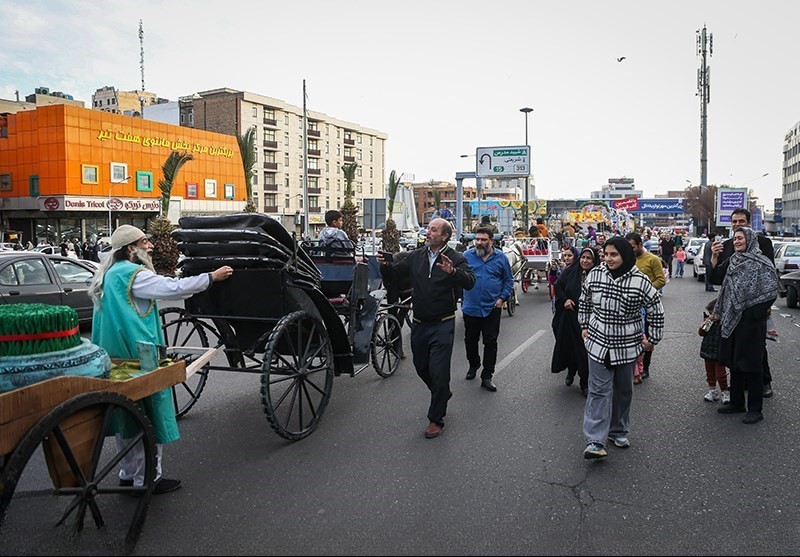
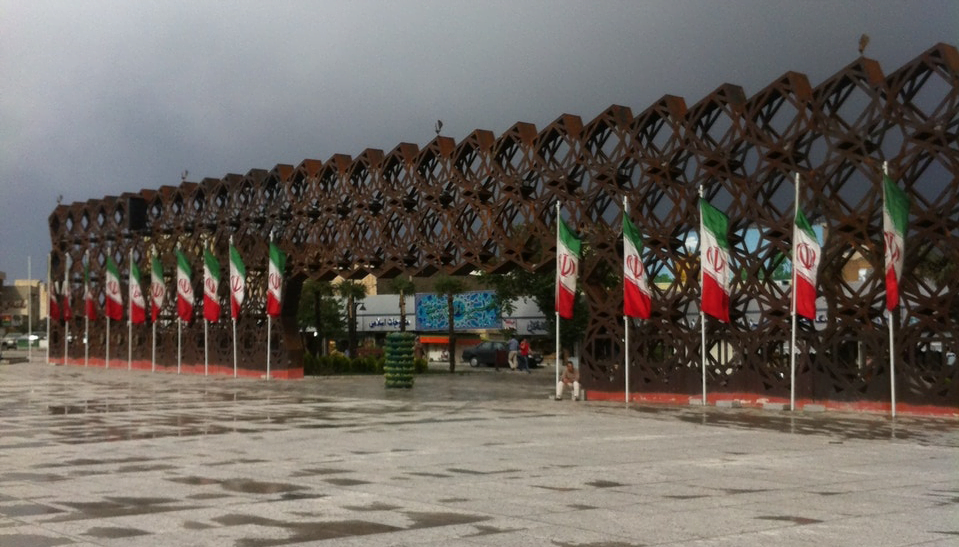
Few visitors, and not many north Tehran residents either, spend time around Imam Hossein Square. The square itself was turned into a pedestrian zone some years ago, and the surrounding area is a dense, working neighbourhood of narrow lanes and small trades. Alongside the electronics sellers and general hardware shops, it has a long-standing cluster of second-hand and antique furniture dealers.
Many people who furnish a flat in Tehran start in the mid-range furniture districts such as Yaftabad and Delavaran, which we cover in our guide to buying furniture in Tehran. Those areas are good for new pieces, but a lot of the stock looks alike. The dealers around Imam Hossein Square offer something different: pieces with a history, most of them from the 19th century up to the middle of the 20th.
What you can find
Stock varies from week to week, which is part of the fun. On a typical browse you might come across:
- European-style cabinets, sideboards and chairs, many brought to Iran in the early and mid-20th century
- Persian paintings and prints in the Qajar style
- Mother-of-pearl inlaid tables and boxes, some from Syria and Morocco
- Brass and bronze lamps, chandeliers and lampshades
- Old glassware, silver-plate and tableware
- Radios, clocks and other household objects from grandparents’ homes
Some of the shops are little more than storerooms, and the best ones can feel as though nobody has dusted them in decades. Do not be put off: a grimy bowl on a back shelf may turn out to be fine glass once the shopkeeper wipes it down. Many dealers also keep extra stock in warehouses or upper floors nearby, so if you are looking for something specific, ask. They will often take you to see more.
Tips for visiting
- Getting there: Imam Hossein metro station on Line 2 opens straight onto the square, and the BRT line along Enghelab and Damavand streets also stops here.
- Explore the side streets: signage is poor and the shops are spread through the lanes off the square rather than on it. Madani Street, running north from the square towards Vahidieh, is a good place to start.
- Go in the morning: shops are most reliably open from mid-morning, and many close for a break in the afternoon. Friday is not a good day to come.
- Bargain politely: asking prices are a starting point. Take your time, show interest in several pieces, and do not be afraid to walk away.
- Bring some Persian or a friend: few dealers speak much English. Numbers and a few polite phrases go a long way.
- Think about transport: dealers can usually arrange a van or pickup for large items for an extra fee.
- Taking items abroad: genuine antiques may need clearance before they can leave Iran, so check before you buy anything you plan to export.
If you enjoy this kind of rummaging, the Friday market at Jomeh Bazaar is the natural next stop, and our guide to Jomeh Bazaar explains what to expect. For smaller gifts to take home, see our round-up of the best places to buy souvenirs in Tehran.