Updated November 2026 Dates confirmed for this season: 25 December 2026 for most churches and 6 January 2027 for the Armenian Apostolic community.
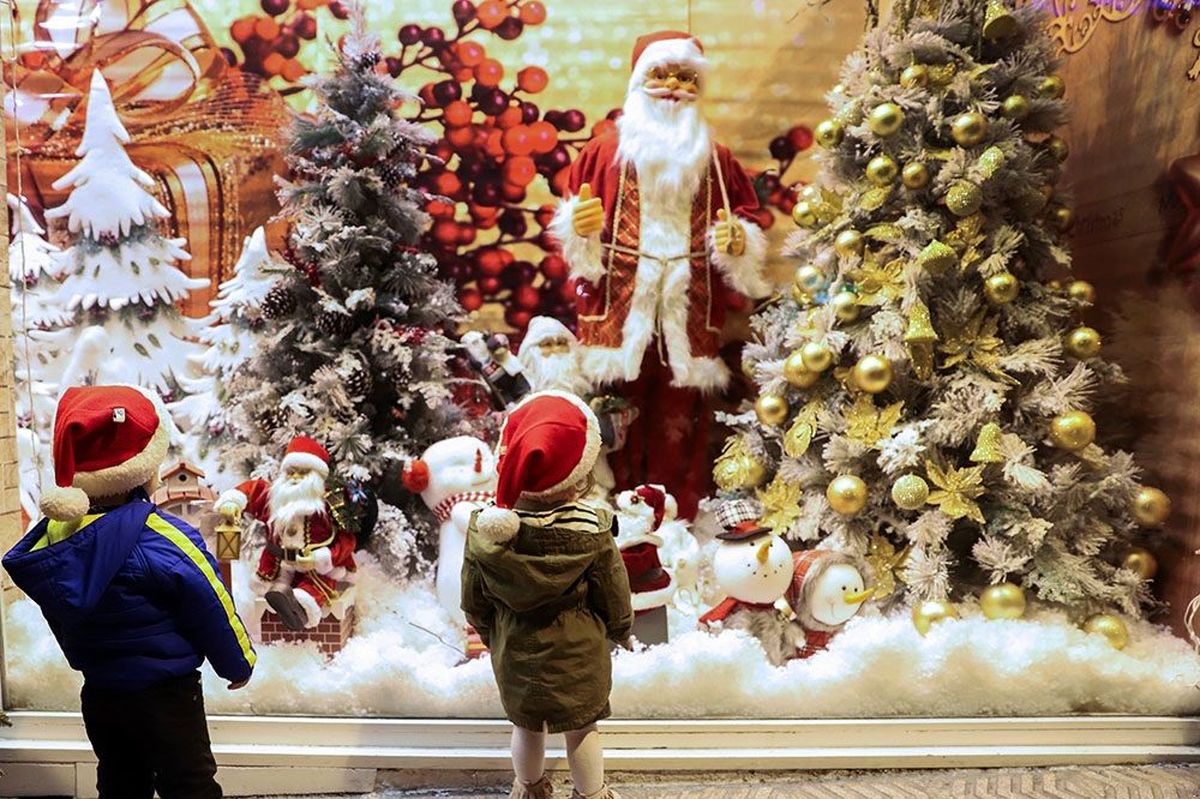
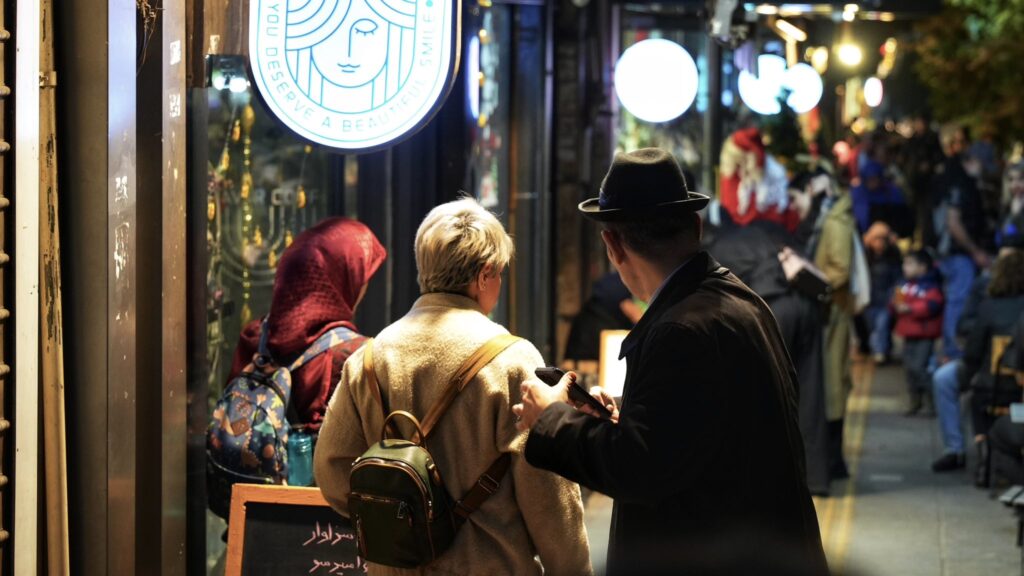
Christmas in Iran is real, visible and growing, even though it is not a public holiday. The country’s Christian minority, mostly Armenian, has marked the season for centuries, and in Tehran the shop windows of a few central streets fill with trees, lights and Santa figures every December. A good number of Muslim and secular Iranians now join in too, buying decorations and throwing parties that blend into the winter festivities of Yalda.
Who celebrates Christmas in Iran
Christianity reached Persia very early, during the Parthian era, and the Church of the East spread from here across Asia. Today Christians are a small minority in a country that is overwhelmingly Shia Muslim. The 2016 census counted roughly 130,000 Christians, though most outside estimates are considerably higher.
The largest group by far are Armenians, who belong mainly to the Armenian Apostolic Church. Assyrians and Chaldeans form the second historic community, alongside smaller Catholic, Anglican and Protestant congregations. Armenians and Assyrians are recognised religious minorities under the constitution and run their own churches, schools and clubs. Converts from Islam are in a very different position: conversion is not recognised and converts can face prosecution, so their celebrations are kept private.
When is Christmas celebrated?
- 25 December: Assyrian, Chaldean, Catholic and Protestant churches follow the Western date.
- 6 January: the Armenian Apostolic Church celebrates the birth of Christ together with Epiphany, the feast of his baptism.
- 1 January: New Year is a bigger family occasion than Christmas for many Armenian households, with visits, food and gifts.
Because neither date is a holiday, work and school carry on as normal and celebrations happen in the evenings, at weekends and in church. The festive period runs roughly from early December until after 6 January, and it overlaps with Yalda Night, the Persian celebration of the longest night of the year, which falls around 20–21 December.
How Iranian Christians mark the season
For the devout, the season starts with fasting. Assyrian and Chaldean Christians traditionally keep a pre-Christmas fast in December, giving up meat and dairy, and Armenians fast in the week before 6 January. The fast ends with church services on Christmas Eve or the eve of the Armenian feast, followed by a family meal.
Homes are decorated with a tree, lights and often a nativity scene. Churches hold evening and midnight services with hymns, many of them in Armenian or Assyrian, and community clubs host concerts, children’s parties and charity events. Gift-giving, carols and long family dinners are as central here as anywhere else.
Where to see Christmas in Tehran
Tehran has the country’s largest Christian population, and the festive atmosphere is concentrated in a few neighbourhoods:
- Mirza Shirazi Street: running between Karim Khan Zand Boulevard and Motahari Street, this is the city’s informal Christmas market. Its toy and gift shops fill up with artificial trees, baubles, lights and Santa costumes from early December.
- Villa Street (Ostad Nejatollahi): the old Armenian heart of central Tehran, with Armenian cafés, delis selling cold cuts and cakes, and shops with nativity scenes in the window.
- Saint Sarkis Cathedral: the seat of Tehran’s Armenian diocese, a short walk from Villa Street near Karim Khan Zand. Its services draw large congregations over the holidays.
- Majidieh: a neighbourhood in east Tehran with a long-established Armenian community.
Beyond the Armenian districts, many malls, hotels and cafés in north Tehran put up trees and lights, and bakeries across the city sell Christmas cakes in late December. If you are new to the city, our guide to Valiasr Street covers the long shopping avenue that links the centre with the north.
Christmas elsewhere in Iran
- Isfahan: New Julfa, the Armenian quarter founded in the early 1600s, is the most atmospheric place in Iran to be on 6 January. Vank Cathedral holds services and the neighbourhood’s cafés and streets are busy with families.
- Urmia: the historic centre of Iran’s Assyrian community, with old churches and community gatherings over Christmas.
- Tabriz, Hamadan and Shiraz: smaller Christian communities and historic churches, with quieter celebrations.
Why more Iranians are joining in
Over the past two decades Christmas has turned into a secular winter celebration for many young urban Iranians. They buy trees, swap gifts and hold parties, often treating it as an extension of Yalda and New Year. Satellite TV, social media and travel all play a part, and so does a wish to share in a global occasion. Some Muslims also point out that Jesus is revered in Islam as a prophet. Not everyone approves, and conservative clerics periodically criticise the trend, but the decorated shop windows return every year. The same pattern can be seen with Halloween in Iran.
Tips for visitors
- Visit Mirza Shirazi and Villa Street in the evening in mid to late December, when the lights are on and the shops are busiest.
- Armenian churches generally welcome respectful visitors. Dress modestly, keep your voice down during services and ask before taking photos of people.
- If an Armenian or Assyrian friend invites you home or to a club event, accept: it is the best way to experience the season.
- Plan around 6 January rather than 25 December if you want to see the largest community at its most festive, especially in Isfahan.
- Check your government’s current travel advice before planning a trip to Iran.