
Can you work remotely from Tehran? Yes, and plenty of people do, from Iranians on foreign contracts to the odd visiting academic. The city is cheap for anyone earning abroad and the food is excellent. It is also one of the hardest places in the world to stay reliably online, and 2026 has made that very clear. Here is what you need to know before you pack the laptop.
The internet comes first. Iran filters a huge share of the web, and most people use a VPN to reach blocked sites. This year was rough. Authorities shut down almost all internet access for around 20 days during the protests in January 2026. Restrictions tightened again after the US and Israel attacked Iran on 28 February, and most Iranians were cut off from the global internet for close to three months. International access was restored in late May on the order of President Masoud Pezeshkian. YouTube and X are still blocked, and mobile tariffs rose by up to 40% this year. Freedom House gave Iran 9 points out of 100 in its 2026 internet freedom ranking.
In practice that means planning for outages. Keep offline copies of anything you cannot work without. Tell your employer or clients that you may drop off without warning. Set up a VPN before you arrive, because downloading one inside Iran is harder and the apps on offer locally are not always trustworthy. Our guide to the best eSIMs for Iran explains how to land with a working connection.
Visas. Iran has no digital nomad visa. Most remote workers arrive on a tourist visa, which does not cover working in Iran, and working online for a foreign employer sits in a legal grey area. Keep a low profile, and check the latest rules in our Iran visa guide before you book.
Money. Because of international sanctions, foreign Visa and Mastercard cards do not work in Iran. You will need to bring cash, usually euros or dollars, and change it at an exchange office as you go. Our guide to exchanging money in Iran covers the practicalities and our Iran prices page tracks the rial every day. Getting paid into an Iranian account from abroad is close to impossible, so most remote workers keep their salary outside the country and bring in what they need.
Where to live. Earning in a foreign currency makes Tehran good value, although rents have climbed fast for locals. North Tehran is the most expensive and the most comfortable. The streets around Haft-e Tir Square and Karim Khan Zand are central and full of small flats and flat shares. Around Enghelab and Italia Street, near Tehran University, students keep prices down. Out west, the newer districts near Chitgar Lake offer more space for the money and cleaner air. Most rentals are listed on Divar, the classifieds app, so you will need a Persian speaker to help. Landlords usually ask for a large deposit, known as rahn, and the bigger the deposit the lower the monthly rent.
If you are only staying a few weeks, a hostel or serviced flat is simpler. Our Tehran hotels guide and our review of the Firouzeh Heritage Hostel are good places to start.
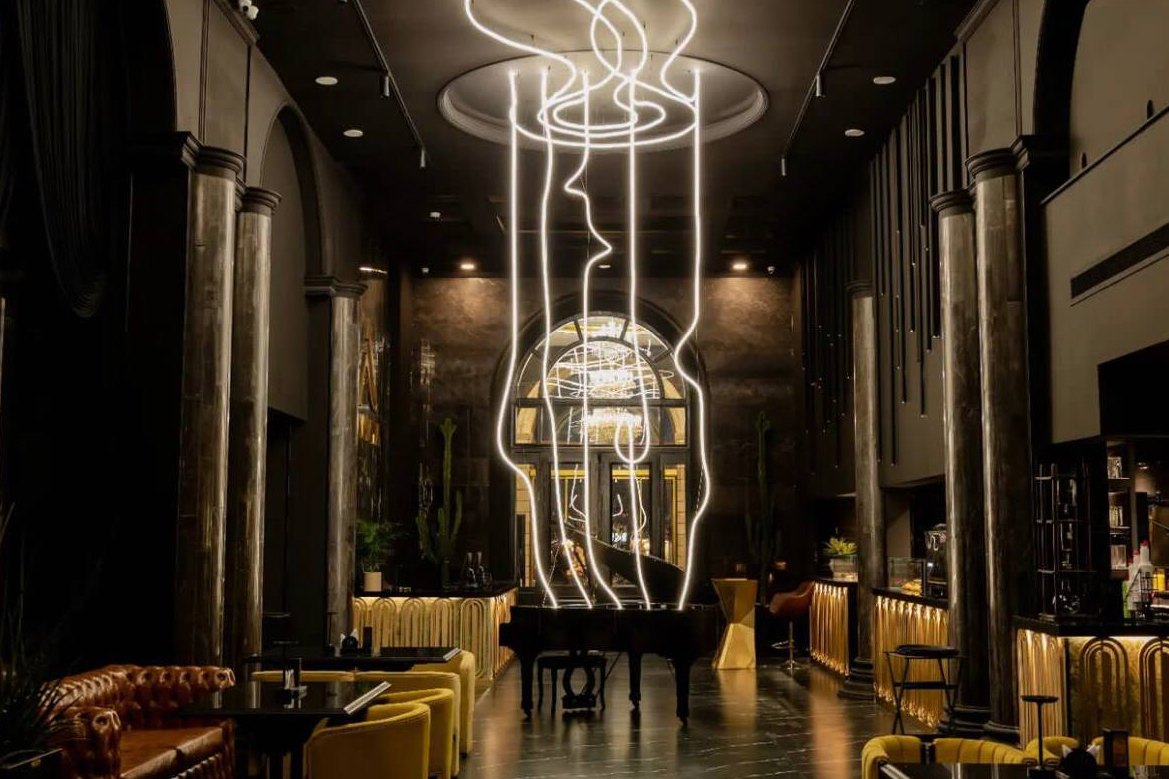
Where to work. Tehran has a small but real coworking scene. CO-HQ rents out hot desks and private offices, including at Kian Tower. The Creative House of Hezareh, a former stable in Ab-o-Atash Park near the Tabiat Bridge, has been converted into a light-filled coworking space. Plenty of people simply work from cafés, and our restaurant and café guide will point you to the good ones. Wherever you settle, ask about backup power. Rolling power cuts have hit Tehran in recent summers, and a desk with a generator is worth paying extra for.
Working hours. Iran’s weekend is Friday, and many offices close early on Thursday too. Tehran stays on UTC+3:30 all year, since Iran scrapped daylight saving in 2022. That puts it three and a half hours ahead of London in winter.