Updated November 2026 Directions, facilities and visiting advice have been reviewed; session times change by season, so check with the observatory before you go.
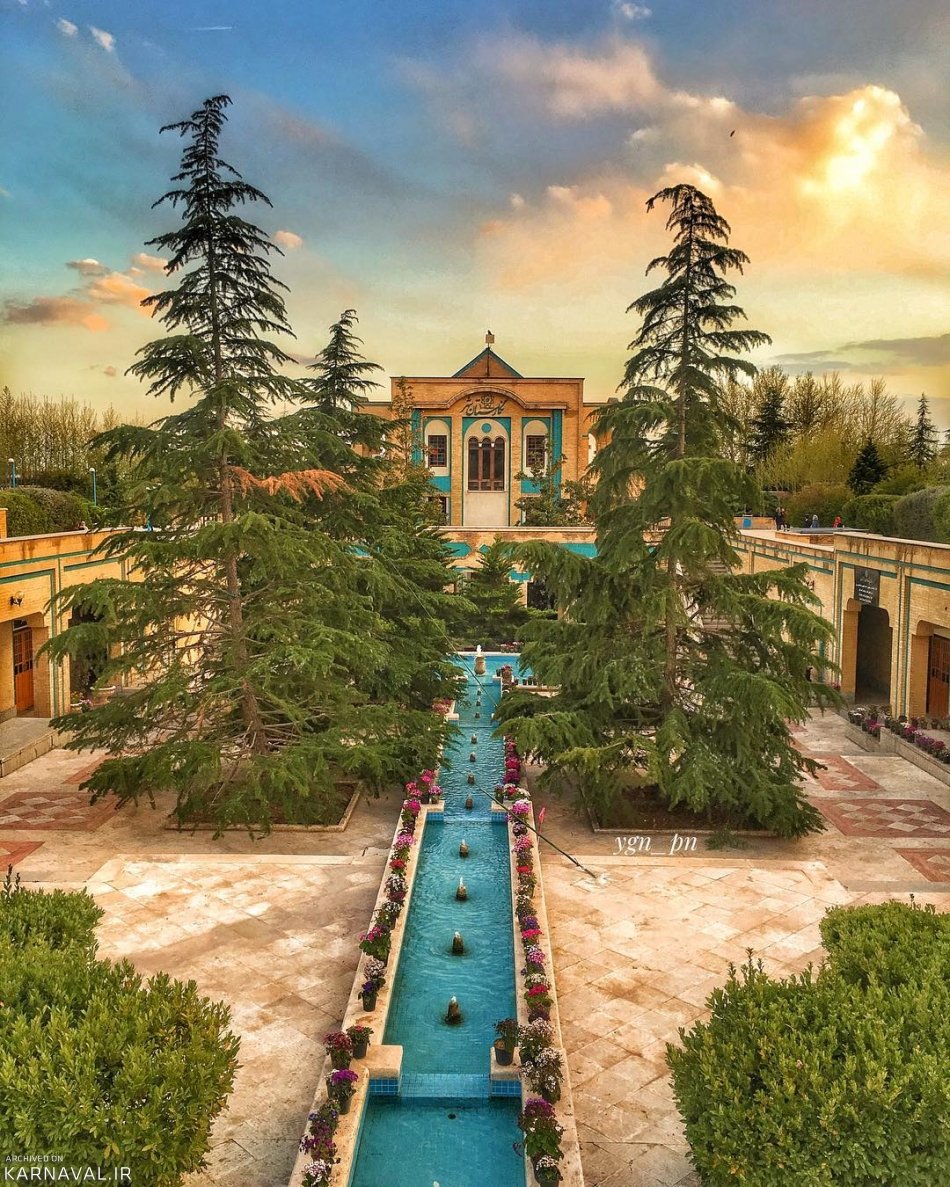
Zafaraniyeh Observatory is a small educational observatory in north Tehran, tucked inside Zafaraniyeh Park just below Tajrish. Run by Kanoon, the Institute for the Intellectual Development of Children and Young Adults, it exists to get young people looking up at the sky, but adults who fancy a closer look at the Moon, Saturn or Jupiter are welcome at its public sessions too.
What the observatory is
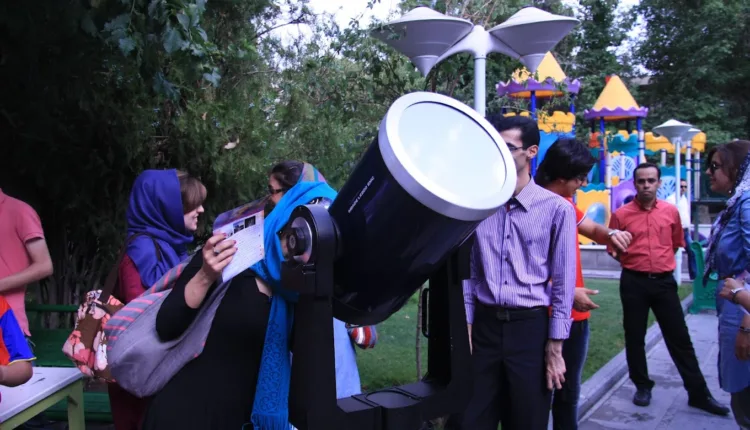
Kanoon set up the observatory in the late 1980s as one of Iran’s first amateur astronomy centres, and it has kept that hands-on, teaching-first character ever since. Rather than a research facility, think of it as a well-equipped club: telescopes on the roof, a small sky room for projected shows, and staff who are used to explaining things to curious ten-year-olds and equally curious grown-ups.
It also takes part in the astronomy calendar, organising special activities around World Astronomy Day (which in Iran falls in early Ordibehesht, late April) and World Space Week, sometimes with photography exhibitions.
What you can see and do
- Night sky observation: on clear evenings, the telescopes bring the Moon’s craters, Saturn’s rings, Jupiter’s larger moons and the phases of Venus into view, depending on what is up at that time of year.
- Sunspot sessions: daytime sessions use filtered equipment to show the surface of the Sun safely. Never look at the Sun through ordinary binoculars or a telescope yourself.
- Sky room: a small planetarium-style room projects the night sky, the constellations and the planets, which is useful when Tehran’s light pollution or cloud gets in the way.
- Courses and workshops: Kanoon runs beginner and more advanced astronomy classes, mainly for children and teenagers, plus talks and occasional public events.
Tips for visiting
- Check before you go. Public sessions are not held every night, and schedules shift with the season, school terms and holidays. Ring ahead or ask at the nearest Kanoon centre.
- Watch the weather and the Moon. Clear, still nights after rain or wind are best, as Tehran’s haze can wash out faint objects. A night around first quarter Moon gives great crater views.
- Expect to speak Persian. Sessions are run in Persian. Staff are friendly, but bring a Persian-speaking friend if you want to follow the explanations in detail.
- Dress warmly. Even in summer, evenings at the foot of the Alborz are cooler than downtown, and you will be standing outside on the roof.
- For a bigger show, combine a visit with a trip out of the city to darker skies, or with the larger planetarium facilities elsewhere in Tehran.
How to get there
The observatory is in Zafaraniyeh Park, off Yekta Street in the Zafaraniyeh district, between Vali-e Asr Street and Tajrish.
- By car or taxi: head north on Vali-e Asr Street, turn into Falahi (Zafaraniyeh) Street, then follow Bahar Street to Yekta Street, where the park entrance is. Snapp and Tapsi drivers will find it if you search for the Persian name, رصدخانه زعفرانیه.
- By metro: take Line 1 to Tajrish, the northern terminus, then walk or take a short taxi ride south-west towards Zafaraniyeh. The area around Tajrish is worth exploring before an evening session, with its bazaar, Imamzadeh Saleh and plenty of places to eat.
If you are new to the city, our Iran prices tracker gives an idea of current taxi and everyday costs.