
Updated November 2026 We have reviewed this guide and removed old opening times and fees, which are no longer reliable; check locally before you go.
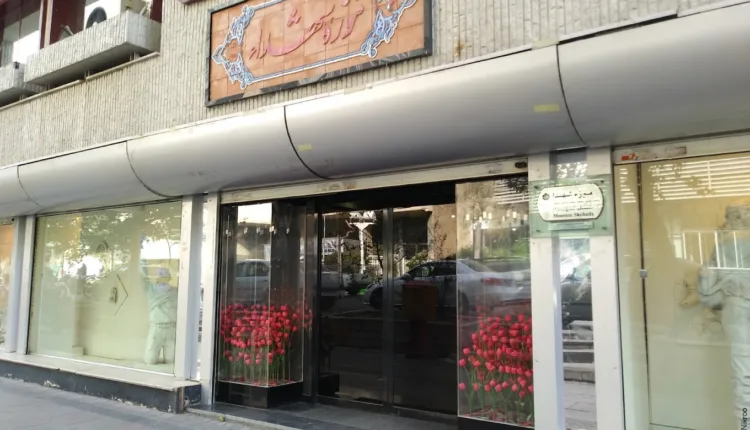
The Martyrs Museum in Tehran, known in Persian as Muzeh-ye Shohada, is a museum on Taleghani Street in the city centre dedicated to Iranians killed in the Iran-Iraq War of 1980–88. Rather than tanks and maps, it displays the personal belongings of individual soldiers and volunteers: their letters, photographs, glasses, prayer beads and handwritten wills. It is a small, sombre and often moving place, and one of the most direct ways to understand how the war is remembered in Iran.
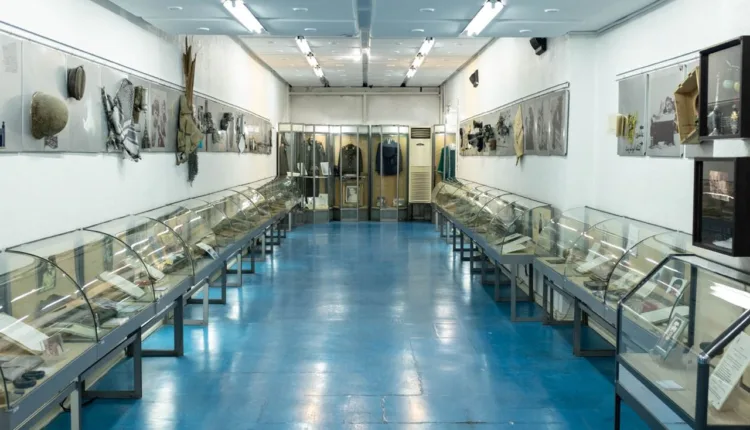
The building itself is plain: a multi-storey concrete block that could pass for an office building, close to the former US embassy compound. Inside, the galleries are arranged as a series of display cases, each devoted to one person or a small group. Typical cases hold a photograph, a copy of the Qur’an or a prayer mat, a notebook of memoirs, school certificates, cassette tapes of sermons, and sometimes calligraphy or drawings made by the person commemorated. Some objects have been left as they were found, including stains and damage, which makes the displays more confronting than you might expect.

The museum grew out of a student poster exhibition on the themes of revolution and martyrdom that was put together soon after the war started. In 1980 the collection was handed to the cultural unit of the Martyrs Foundation, and it took the name Martyrs Museum in 1983. It moved to its current building in 1986, reopened the following year, and was extended with a new annex completed in 2004. Today it holds thousands of items connected to well over a thousand people.
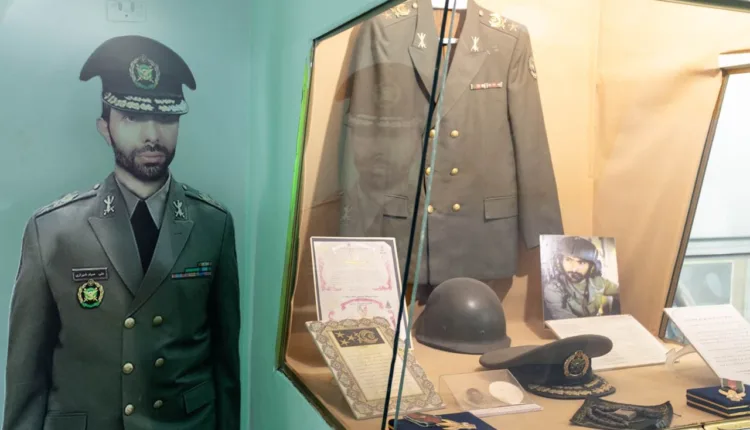
Should you go? If you are interested in modern Iranian history, yes. The war’s imagery is everywhere in Tehran, from street names to murals. This museum puts individual faces to that history. It is not designed for foreign tourists, though: labels are almost entirely in Persian, and the tone is commemorative rather than analytical. Going with a Persian-speaking friend makes a big difference. Some displays are graphic, so think twice before bringing young children.
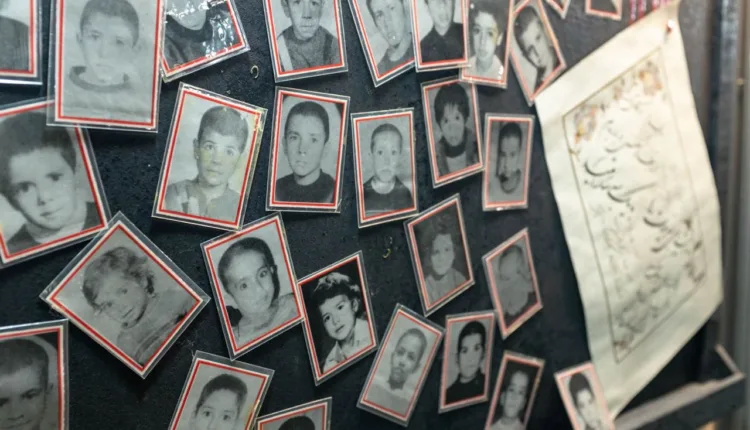
Dress modestly, keep your voice down, and ask staff before taking photographs, as rules can vary and many visitors come here to remember relatives. Opening times change and the museum closes on some public holidays and commemorations, so it is worth having someone phone ahead or checking an up-to-date map listing on the day.
The museum is on Taleghani Street near its junction with Iranshahr Street, in the downtown area. The easiest way to get there is by metro: Taleghani station on Line 1 is a walk of around 400 metres. Driving in this part of Tehran is slow and parking is scarce, so a taxi or ride-hailing app is a better option than your own car.
The area is worth combining with a walk along Iranshahr Street, which has cafés and galleries. For a larger, more museum-style treatment of the same war, visit the Holy Defense Museum in Abbas Abad, and for weapons and military history more broadly, see our guide to the Iran Military Museum in Tehran.