Updated November 2026 We have checked the museum’s collection and location against Geological Survey of Iran records and removed opening times that we could not confirm.
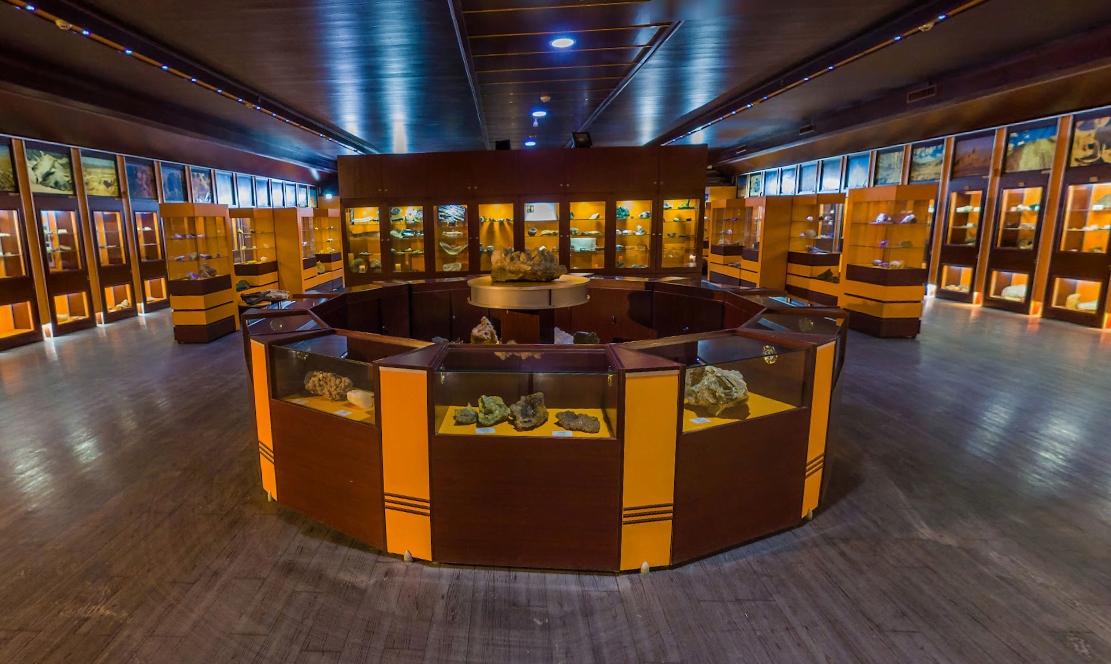
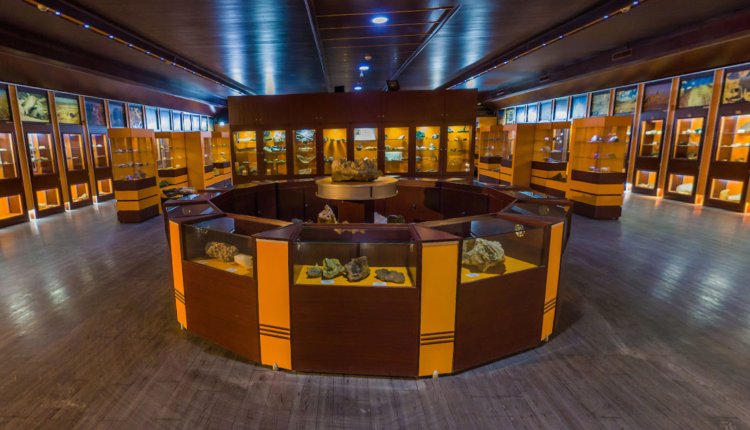
The Geoscience Museum of Iran is a specialist museum of rocks, minerals, fossils and old mining tools run by the Geological Survey and Mineral Exploration of Iran (GSI), at the survey’s headquarters on Meraj Boulevard just west of Azadi Square in Tehran. It is small, a little old-fashioned and rarely crowded, which makes it a pleasant, low-key outing for families, students and anyone curious about the ground beneath Iran’s mountains and deserts. Most visitors spend one to two hours here.
What is in the collection
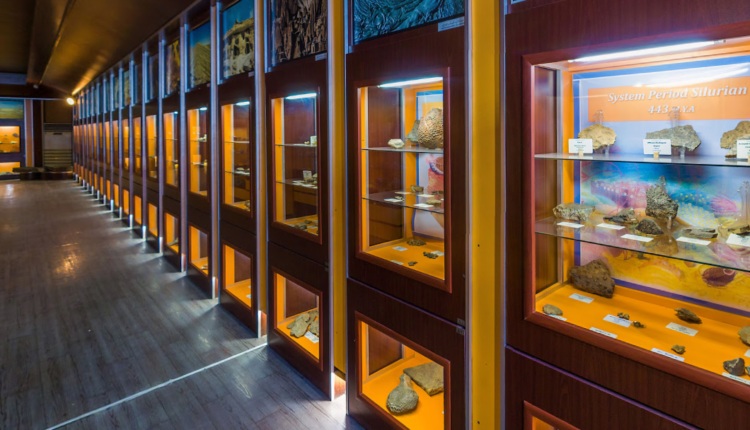
The museum was founded in 1959 and its collection draws on decades of fieldwork by the GSI, along with material from Iran’s oil industry and specimens from abroad. According to the survey’s Wikipedia entry, it holds more than 400 rock samples, around 1,500 fossils, over 1,400 mineral samples and 65 historic mining tools.
The displays are grouped into themed sections:
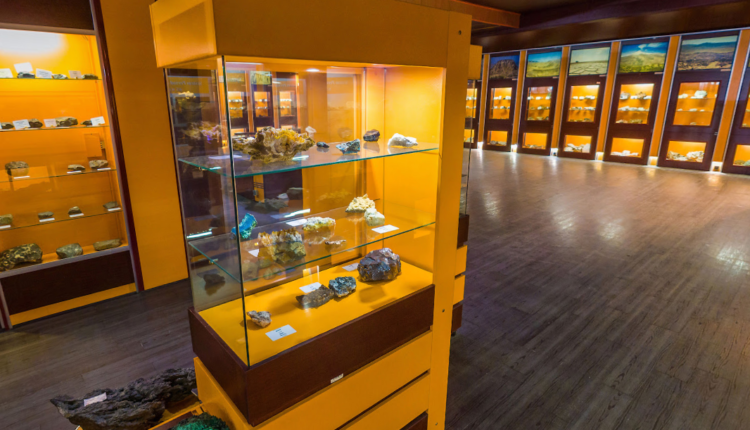
- Rocks and minerals, including precious and semi-precious stones, which show how much of Iran’s wealth comes from what lies underground.
- Fossils, from marine shells and plants to vertebrate remains, many collected in Iran.
- Meteorites, dinosaur bones and fossil eggs, usually the highlight for children.
- Ancient mining tools and archaeological finds, which trace thousands of years of metalworking and mining on the Iranian plateau.
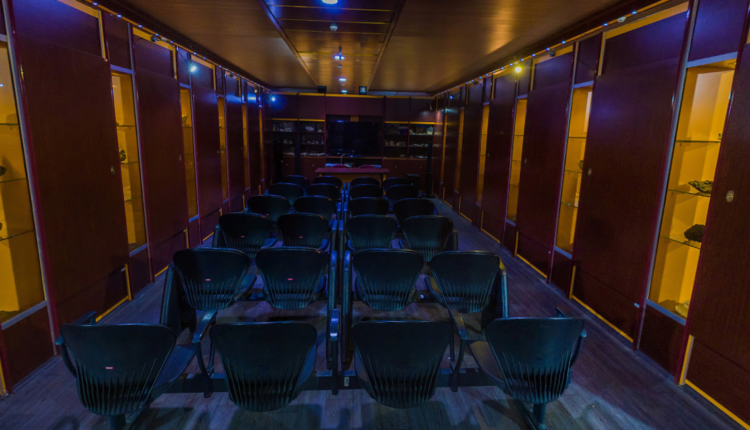
- A film hall showing documentaries on geology and Iran’s landscapes.
Who it suits
The museum is aimed mainly at students and researchers, and it runs educational workshops for school groups and teenagers. It also works with Iranian and foreign universities and offers geological advice through the GSI. For casual visitors, it is best treated as a focused, quiet museum rather than a big day out. Labels are mostly in Persian, though scientific names give you a foothold, and a Persian-speaking companion will help you get more from it.
If you enjoy the natural-history side of Tehran, pair it with a visit to the Golsang Lichens Museum.
Opening times and tickets
The museum is part of a working government office, so it has traditionally opened on weekday mornings and early afternoons, and is closed on Fridays and public holidays. Times can change, so call ahead or check a current map listing before travelling across the city. For an idea of current everyday costs, including museum entry, see our Iran prices pages.
How to get there
The museum is at the GSI headquarters on Meraj Boulevard, on the western side of Azadi Square.
- By metro: take Line 4 to Azadi station, then walk about 800 metres along Meraj Boulevard.
- By bus: several routes run to Azadi Square, including the line from Tehranpars; see our guide to Tehran bus timetables. From the square it is the same short walk.
- By car or taxi: most Iranian visitors drive. Azadi Square traffic is heavy at rush hour, so aim for mid-morning.
Since you will be at Azadi Square, it is easy to combine the museum with a look at the Azadi Tower, or with a trip to the western bus terminal next door if you are heading out of the city.