
Updated November 2026 We have corrected the architect’s name and clarified that this is a working government building that you view from the outside.
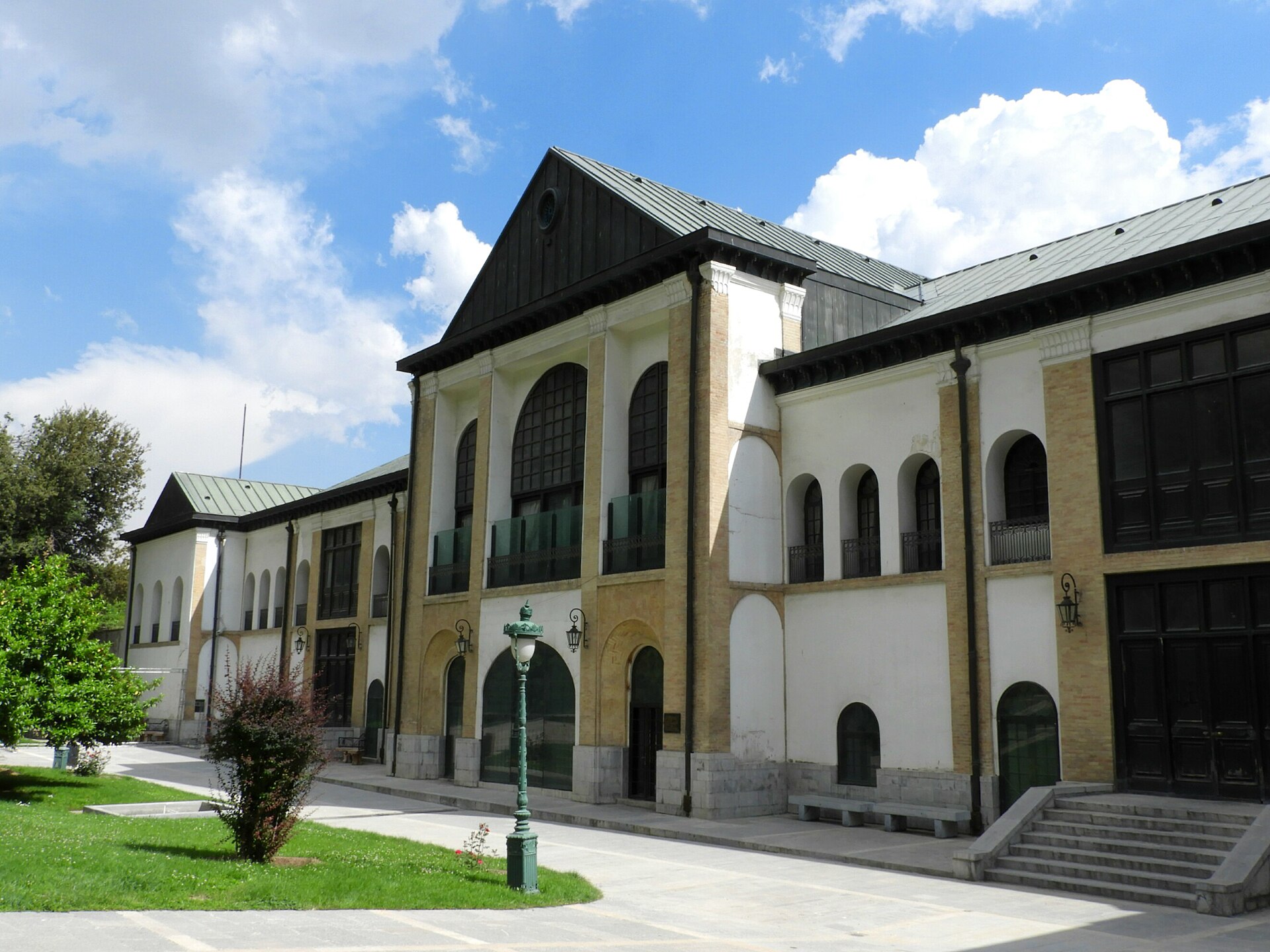
Shahrbani Palace in Tehran is one of the most striking buildings of the Reza Shah era: a grand three-storey police headquarters whose façade borrows directly from the ruins of Persepolis. Today it is Building No. 9 of Iran’s Ministry of Foreign Affairs, so it is not a museum, but its carved columns and frieze of ancient Persian soldiers make it well worth a detour when you are exploring the old government quarter around the Bagh-e Melli gate and Imam Khomeini Square.

The building was completed around 1936 to house the Shahrbani, the city police, at a time when Reza Shah was keen for state buildings to project authority and a sense of continuity with Iran’s ancient empires. Its architect was Gabriel Guevrekian, an Armenian-Iranian designer who had worked in Europe and is often credited as one of the pioneers of modern architecture in Iran. Here, though, he looked back rather than forward.
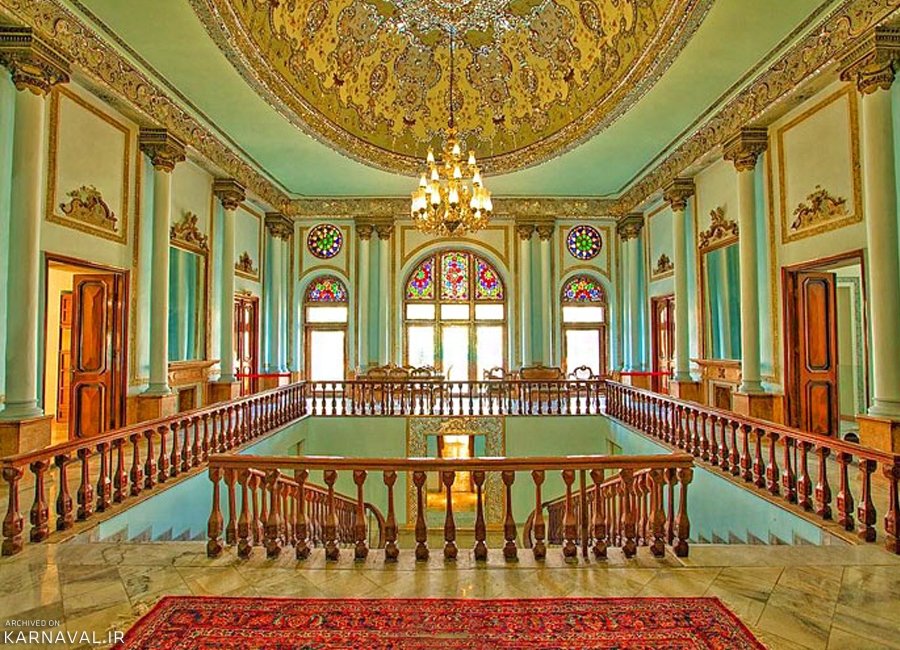
The result is a neoclassical building with an unmistakably Achaemenid entrance. The columns and capitals echo the Apadana palace at Persepolis, and a sculpted procession of guards, modelled on the reliefs at the ancient capital, runs across the front. Inside, the decoration switches to a European taste, with stucco and mirror work, although visitors will rarely see it. It is one of several buildings from the same period in this area that combine a modern structure with ancient Persian motifs; the brick arch of the nearby National Museum of Iran is another.
The building served the police for decades before the Ministry of Foreign Affairs bought it from the law enforcement forces in the early 2000s and converted it into offices. It is a registered national monument.
You will find it on the pedestrianised street that runs north through the tiled Bagh-e Melli (National Garden) gateway, off Imam Khomeini Street a short walk west of Imam Khomeini Square. The same compound includes the Malek National Museum and Library and the Post and Telegraph Museum, both open to visitors, so the area makes a rewarding half-day alongside the National Museum.
Because it is an active ministry building, there are no tourist opening hours and the interior is not open for sightseeing. People with business at the ministry can enter during office hours in the morning, with security checks at the door. Everyone else should enjoy the façade from the street.
A few practical tips:
- The nearest metro station is Imam Khomeini, on Lines 1 and 2, a few minutes’ walk away.
- Be discreet with your camera. Photographing government buildings and security staff can draw unwanted attention, so take a quick shot of the façade from a public spot, and stop if anyone asks you to.
- Combine your visit with other sights nearby: the historic mansions of Tehran, the food stalls of 30 Tir Street and the Golestan Palace, a short walk to the south.