Life as an expat in Tehran is harder in 2026 than at any time in the past decade. The city is still one of the most hospitable in the region, and many foreigners who live here would not leave. This guide sets out the pros and cons as they stand in November 2026.
What changed for an expat in Tehran in 2026
The year began with mass protests and a nationwide internet blackout from 8 January. On 28 February the United States and Israel attacked Iran, and the war closed Iranian airspace. A ceasefire has held since 8 April. International flights restarted at Imam Khomeini airport in late April, but most foreign airlines have not returned. Our page on when flights to Tehran will return tracks them.
The internet came back on 26 May after an 88-day shutdown, the longest nationwide blackout on record. Access is still heavily filtered. Strikes in March also damaged landmarks, including the Golestan Palace. Check your government’s travel advice before you move, and check that your insurance covers Iran.
The pros of life as an expat in Tehran
- Hospitality. Neighbours bring food, strangers give directions and colleagues invite you home. Most expats say this is what keeps them here.
- Food. Tehran eats well, from kebab houses to new cafes. Home cooking is better still. Our Persian recipes are a good start.
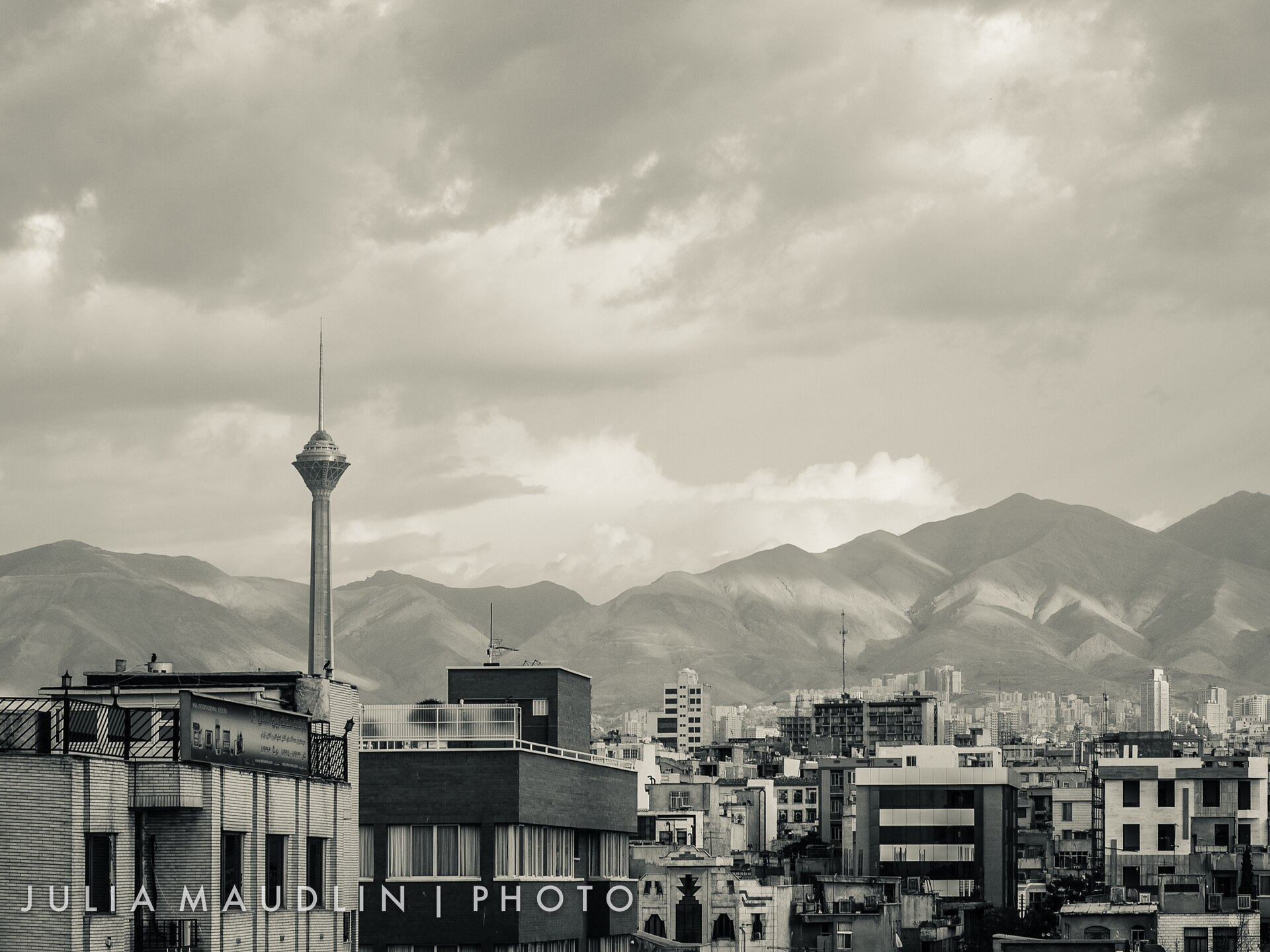
- Mountains on the doorstep. The Alborz rise straight out of north Tehran. Darband and Tochal are a metro and taxi ride away. See our guide to the peaks around Tehran.
- Healthcare. Private hospitals are well equipped and many doctors trained abroad. Appointments are quick and fees are low by Western standards.
- Low costs for hard-currency earners. A salary paid in euros or dollars goes a long way, though prices rise every month. Our cost of living guide has the details.
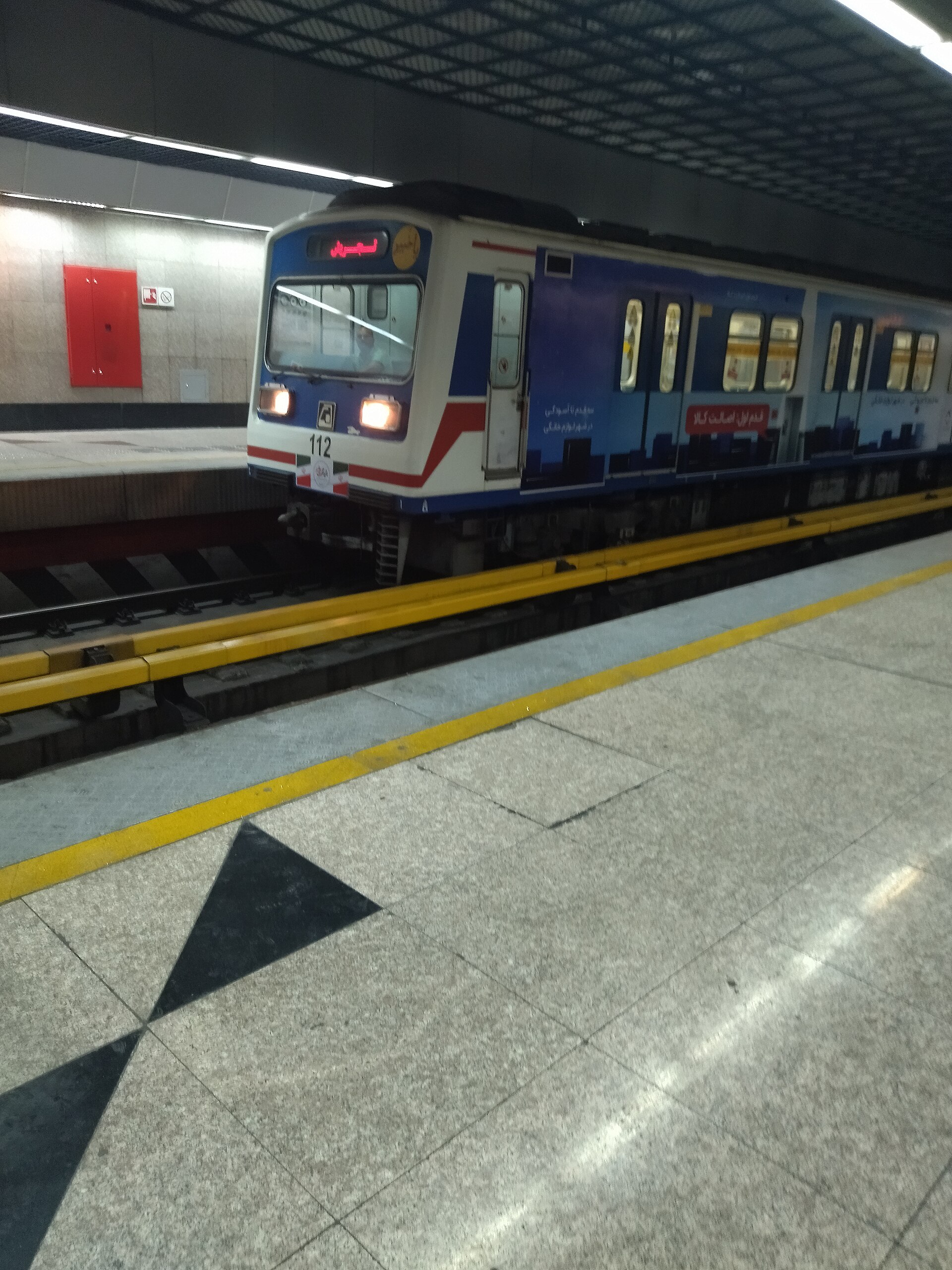
- The metro. The network is large, cheap and runs on time.
The cons
- The internet. Instagram, Telegram, WhatsApp and YouTube are blocked, and most people use a VPN. Mobile data was slower to return than home broadband after the blackout. See our guides to social media in Iran and the best eSIM for Iran.
- Inflation. Prices rise fast and rents rise with them. Landlords often ask for a large deposit, called rahn. Our guide to property websites in Tehran explains how renting works.
- Money. Foreign bank cards do not work in Iran because of sanctions. You will live on cash and a local card. Read our guide to exchanging money in Iran before you arrive.
- Air pollution. Winter smog regularly closes schools and offices. Our public holidays page explains the unplanned closures.
- Security. The war and its aftermath carry real risks, and many insurers exclude Iran. See our guide to travel insurance for Iran.
- Social rules. Alcohol is banned, dress codes apply in public and political speech can bring trouble. Enforcement varies, but the rules are real.
- Traffic. Roads are crowded and driving is aggressive. Use Snapp or Tapsi, the local ride-hailing apps, rather than driving yourself.
Making friends as an expat in Tehran
The expat community is small and has shrunk since the war. InterNations still runs a Tehran group, which lists about 2,950 members, though events are smaller and less frequent than before. Many foreigners meet through work, embassies, universities or Friday-morning hiking groups in Darband.
Learning Persian makes the biggest difference to daily life. Persia Learning runs online Persian courses for foreigners at every level.
Moving to Tehran
Iran’s Statistical Centre put annual inflation at 66 per cent in the year to July 2026, the fifth record month in a row.