
Updated November 2026 Updated for the approved plan to knock four zeros off the currency, the 2,000,000-rial note and the new rial debit cards for tourists; foreign bank cards still do not work in Iran.
Before you change anything, use our Tehran trip cost calculator to work out how much cash you need to bring in the first place.
Exchanging money in Iran is straightforward once you know the rules: bring cash in euros or US dollars, change it at a licensed exchange office (sarrafi) at the open-market rate, and avoid street dealers and, for anything but small sums, the airport. Because international sanctions stop Visa, Mastercard and other foreign cards from working, the cash you bring is effectively your budget for the trip, so it pays to understand the currency and plan ahead. Check today’s Iran exchange rates before you go.
Rials and tomans
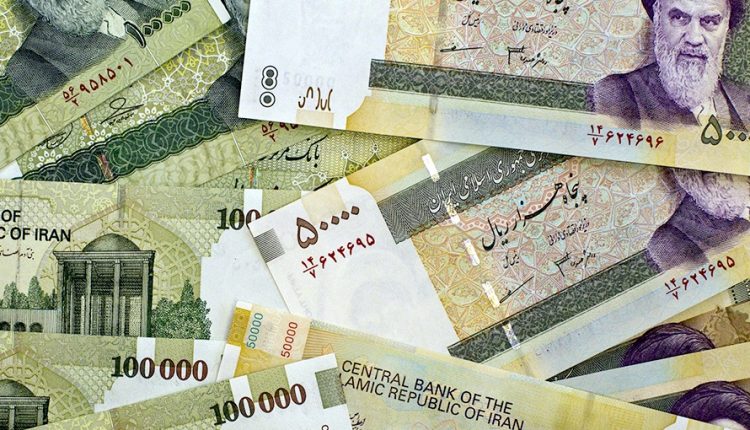
The official currency is the Iranian rial (IRR), which is what you will see on banknotes, bank statements, contracts and official receipts. In everyday life, though, almost everyone talks in tomans. One toman is ten rials, so to convert rials into tomans you simply drop the last zero: a price of 500,000 rials is 50,000 tomans. Shopkeepers often go further and leave off the thousands too, so “50” in a market may mean 50,000 tomans. If in doubt, ask, or ask them to write the number down.
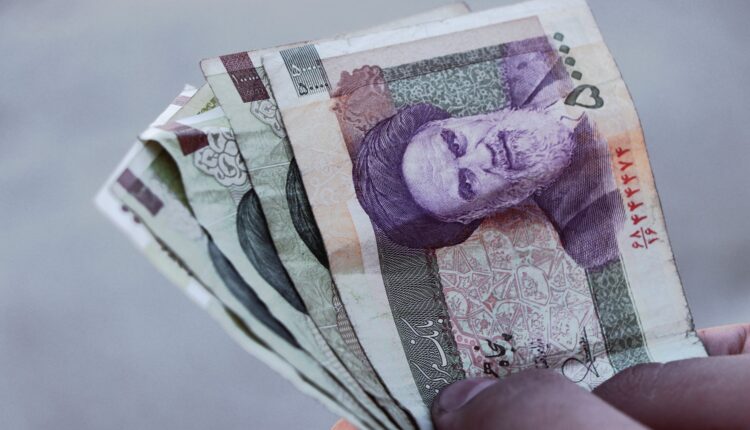
Change is coming. In November 2025 Iran’s Guardian Council approved a law to remove four zeros from the currency, creating a new rial worth 10,000 of today’s rials (the name stays the rial, divided into 100 qerans), with a three-year transition period overseen by the central bank, as Rudaw reported. During the changeover you may see old and new prices side by side, so take an extra moment to check which unit a price is in.
The notes in common use run from 10,000 rials up to 1,000,000 and 2,000,000 rials; the 2,000,000-rial note, worth 200,000 tomans, was introduced in March 2025, according to reports. The higher values are technically “Iran Cheques” (chek-pul), bearer notes issued by the central bank, but they work just like ordinary cash. Coins have all but disappeared.
What currency to bring
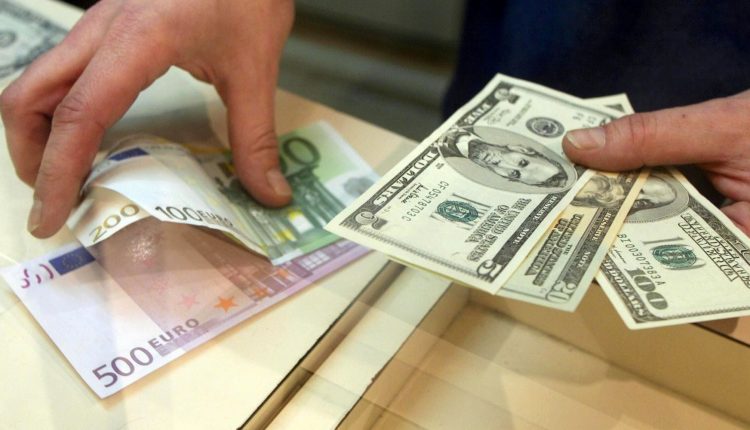
Euros and US dollars are the easiest currencies to exchange everywhere. UAE dirhams are widely accepted too, while sterling and other currencies can be harder to change outside the big cities and may get a weaker rate. Bring clean, undamaged notes, ideally in a mix of large and smaller denominations: exchange offices may refuse torn, marked or very old notes.
Bring enough for your whole stay plus a margin for emergencies. There is no reliable way to withdraw more money from a foreign account once you are in Iran, and services such as Wise and Revolut do not operate there.
Official rate versus market rate
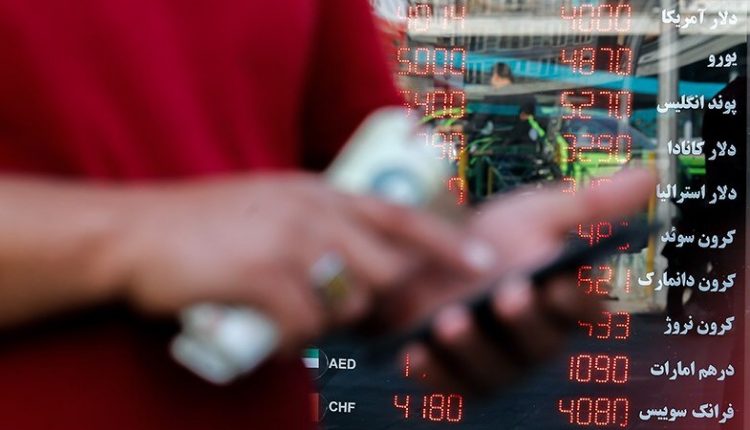
Iran has more than one exchange rate. The government’s official rates are used for certain imports and official transactions, while the open-market rate, the one you get at a licensed exchange office, gives you considerably more rials for each euro or dollar. As a visitor you will normally want the market rate. Sites such as Bonbast and our own exchange rate tracker show where it stands; the rial can move sharply from week to week, so check on the day.
Where to exchange money in Iran
Licensed exchange offices (sarrafi) are the best option. They offer rates close to the open market, give receipts and are used to foreigners. You will usually be asked for your passport.
Banks can exchange money but tend to be slower and may give a less attractive rate, so most travellers skip them.
Airports have exchange counters in arrivals. Rates are usually poorer than in town, so change a small amount at the airport for a taxi, a SIM card and your first meal, then change the rest in the city.
Hotels sometimes offer to change money, which is convenient but often at a worse rate. Reception staff can usually point you to a trusted sarrafi nearby.
Street dealers who approach you near exchange districts should be avoided. You have no recourse if the count is short or a note turns out to be fake.
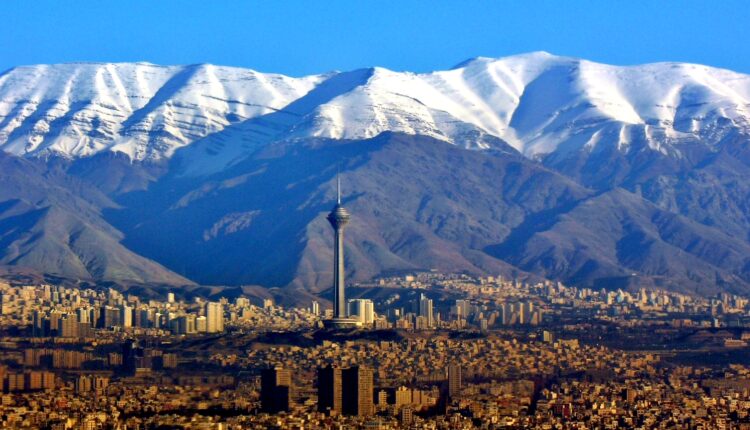
In Tehran, the traditional centre of the currency trade is around Ferdowsi Square and Ferdowsi Street, which is lined with exchange offices. There are also licensed offices along Valiasr Street and in shopping malls across the city, which are handy if you are staying in the north.
Outside the capital, every city on the tourist trail has exchange offices in its centre, usually clustered on one or two main streets near the bazaar or central square. In Isfahan, for example, look around Hakim Nezami and Sepah streets; in Shiraz, around Karim Khan Zand; in Yazd, along Imam Khomeini Street. Your hotel or guesthouse can tell you which offices locals trust.

Tourist debit cards
Carrying a thick wad of rials is the main inconvenience of travelling in Iran, and tourist debit cards are the usual solution. Private services have for some years let visitors pay in hard currency, online or in person, and collect an Iranian bank card loaded with rials, which then works in shops, restaurants and hotels like a local card. In October 2025 the Central Bank of Iran also authorised a bank to exchange visitors’ currency directly onto rial debit cards at the official trading-centre rate, according to Eghtesad Online. Compare the rate any card provider offers with the street rate, and check how you can get unused money back before you leave.

Practical tips and staying safe
- Check the market rate on the day, and compare two or three exchange offices before changing a large sum.
- Count your rials at the counter before you walk away, and ask for a receipt.
- Take your passport with you when you go to exchange money.
- Do not change everything at once. Changing as you go limits how much cash you carry and lets you take advantage of rate movements.
- Carry only what you need for the day and leave the rest in your hotel safe, split between more than one place.
- Be discreet when handling large amounts of cash in public.
- Keep some euros or dollars in reserve for emergencies and for paying hotels that quote in foreign currency.
For a rough idea of what things cost once you have your rials, see our Iran prices pages.
Learn the Persian: Persia Learning’s lesson on numbers, prices and money teaches you to read prices in rials and tomans and to handle big numbers at the exchange counter. Try the first lesson free →
You will want mobile data to check the day’s exchange rate before changing money; a travel eSIM gives you that from the airport (our eSIM guide).
A note on our affiliate links: LiT’s affiliate earnings are not earned from inside Iran. Our partners are international companies based outside the country, and no commission is paid to us by any business in Iran.