Updated November 2026 Behjat Abad remains Tehran’s main source of East Asian groceries; we have refreshed this feature and added shopping tips.
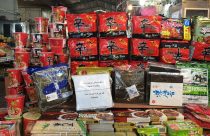
Tehran has no official Chinatown, but Behjat Abad market in central Tehran is the nearest thing to one. This small indoor market, tucked away just off Karimkhan Zand Street, is where the city’s chefs, expats and adventurous home cooks go for Chinese, Japanese, Thai and Korean ingredients that are almost impossible to find anywhere else in the capital.
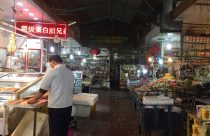
Do not expect red lanterns or a grand gateway. Behjat Abad is modest and slightly rough around the edges: a cluster of small supermarkets, fishmongers and fruit stalls under one roof. Its shopkeepers have been bringing in foreign food brands for decades, long before imported goods were easy to come by in Iran, and the market has quietly built a loyal following among people who need soy sauce, rice noodles or nori rather than another bag of basmati.
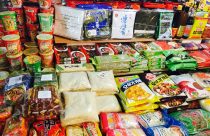
Much of the trade here is wholesale. The grocers supply Chinese, Japanese and other East Asian restaurants across Tehran, which keeps stock turning over and prices reasonable for what they are. They also serve the city’s East Asian residents, from Chinese business people and engineers to Japanese and Korean diplomats and company staff, so the shelves are stocked with what people actually cook at home rather than novelty items.
If you are planning a stir-fry, you will find almost everything in one visit. Typical stock includes:
- Sauces and pastes: soy, oyster, fish, chilli and curry pastes, plus vinegars and cooking wines.
- Large sacks of Chinese, Thai and Japanese rice, along with rice and wheat noodles.
- Japanese seaweed, Taiwanese rice crackers and other snacks.
- Herbs and spices used in East Asian cooking.
- Locally made and imported tofu, which makes the market a useful stop for vegetarians.
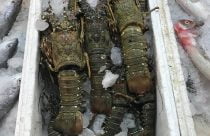
- Fresh fish and seafood, plus meat counters.
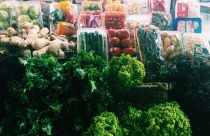
- Fruit and vegetables that rarely appear in ordinary Tehran greengrocers.
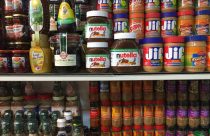
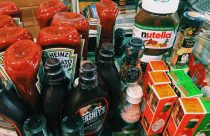
Behjat Abad is not only about Asia. Several shops also carry imported European, American and Gulf products, from biscuits and coffee to soft drinks such as tonic water, so it is worth a browse if you are missing a particular brand from home. Availability depends on what importers have managed to bring in, so a favourite item may vanish for weeks and then reappear.
A few tips make a visit easier. Imported goods are priced in line with the exchange rate, so expect them to cost noticeably more than local produce; our Iran price trackers give a sense of how prices are moving. Walk round and compare a couple of shops before buying, and check best-before dates on anything that looks as though it has been on the shelf a while. Bring a cool bag if you are buying fish or seafood, especially in summer. Weekdays are the best time to go, as some shops close early on Fridays. Once you become a regular, shopkeepers are often happy to put items aside or order something in for you.
For a fuller shopping guide, see our article on where to buy Asian food in Tehran. And if you would rather someone else did the cooking, our pick of the best Chinese restaurants in Tehran is a good place to start.