Updated November 2026 We have added the Central Bank’s tourist debit card scheme, updated advice on exchange rates and removed outdated claims about individual banks and sanctions.
Choosing one of the best Iranian banks for non-Persian speakers makes life in Tehran far easier. In our experience the large private banks, especially Saman Bank, Bank Pasargad and Middle East Bank, are the most comfortable for foreigners, with branches in the north of the city that are used to dealing with expatriates. Before you get that far, though, you need to understand how money works when you first arrive, because foreign cards are no use here.
Why you need an Iranian card
Iran’s ATMs and card machines run on the national Shetab network and accept only Iranian-issued cards. Visa, Mastercard, American Express, UnionPay and JCB cards will not work in Iran. Once you have a Shetab card, however, banking is simple: cash machines are everywhere, almost every shop takes cards, and transfers can be made instantly from your phone. Our guide to using ATMs and bank cards in Iran explains the day-to-day side.
Arriving at the airport
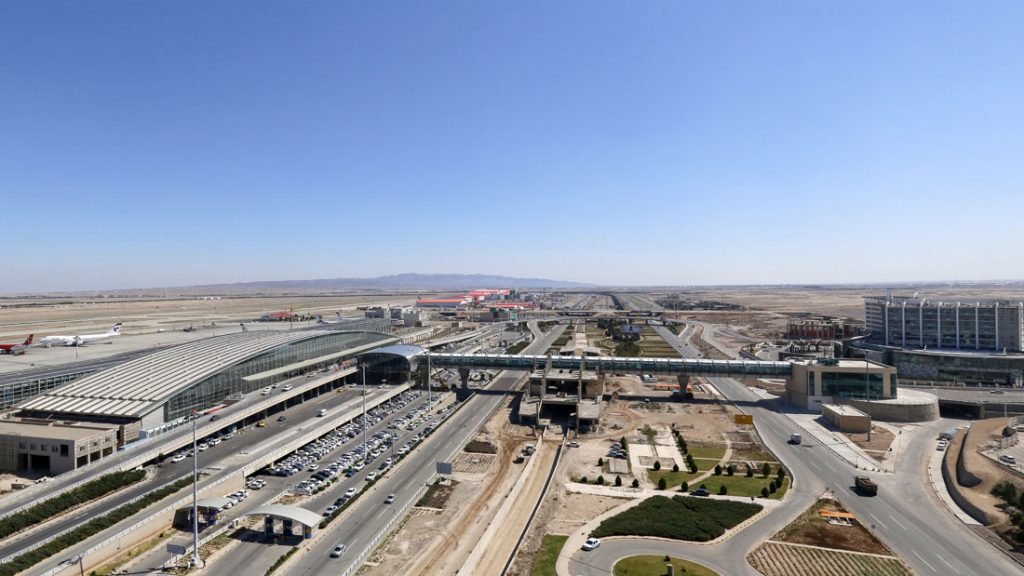
Bring enough foreign cash to cover your first few weeks. US dollars and euros are the easiest currencies to change. Bank and exchange counters operate at Imam Khomeini International Airport, but rates there are rarely the best, so change only what you need for the first day or two.
In April 2025 the Central Bank of Iran told licensed banks and exchange offices to issue rial debit cards to non-resident foreigners, including tourists and business visitors, according to Tehran Times. You load the card with foreign currency and can then use it for purchases, transfers and ATM withdrawals like a local card, with any unused balance refundable. Be aware that these cards are loaded at the official agreed rate, which is usually lower than the open-market rate you would get at an exchange office, so load only a modest amount and change the rest of your cash in town.
Changing your cash
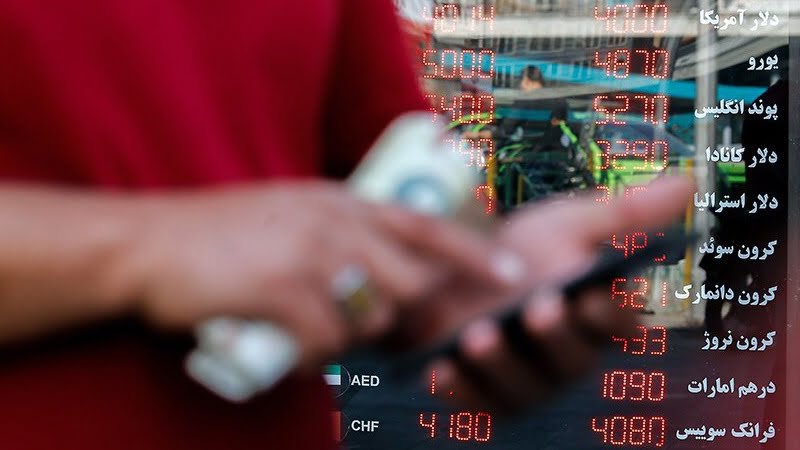
Iran has more than one exchange rate. Foreign websites often quote the official rate, but day-to-day transactions use the open-market rate, which is considerably higher and gives you more rials for your money. Licensed exchange offices (sarrafi) pay the open-market rate; banks generally do not, which is why you will usually get a better deal changing cash at an exchange office than at a bank branch.
Your hotel, landlord or employer can point you to a reputable exchange office nearby, and Ferdowsi Street in central Tehran has long been the city’s main money-changing district. Check the current rate on our Iran prices tracker before you go, and count your rials before you leave the counter.
Opening a local bank account
If you are living in Tehran, a local account is the safest place to keep your money and gives you a full Shetab debit card and access to mobile banking. You will normally need your passport, a residence permit and a foreign national identification number. Newer private banks tend to be more welcoming than the older state banks, but even at the best branches you may find only one member of staff who speaks good English, so take a Persian-speaking friend or colleague the first time.
These are the banks we and our readers have found easiest to deal with:
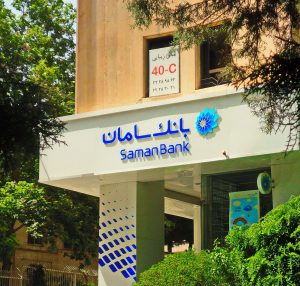
- Saman Bank: experienced with foreign students and expatriates, particularly at its branches in north Tehran around Tajrish and Kamranieh.
- Bank Pasargad: staff are often willing to sit with foreign customers and guide them through Persian-only paperwork.
- Middle East Bank (Bank Khavarmianeh): a smaller private bank with a business focus that has a reputation for looking after foreign business people.
Service varies a great deal from branch to branch, so if one office is unhelpful, try another branch of the same bank before giving up. Like all Iranian banks, these cannot connect to Western banking systems, so you will not be able to transfer money in or out through ordinary international channels.
For a guide to Iran’s coins, notes and Iran cheques, and how tomans and rials work, read our guide to Iranian money.