Updated November 2026 We have refreshed this profile of the Russian school in Tehran and removed out-of-date fees, term dates and contact details; families should contact the school through the Russian Embassy for current information.
The Russian school in Tehran, known as the Neauphle-le-Chateau Russian School after the street it stands on, is the only school in Iran teaching the full Russian state curriculum, from kindergarten to the end of secondary education. Run under the Russian Ministry of Foreign Affairs network of overseas schools, it is one of the oldest foreign-run schools in the city and a natural choice for Russian-speaking families moving to Tehran.
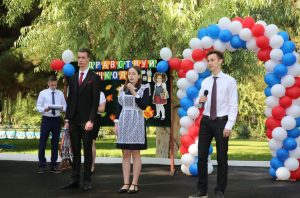
The school opened in 1954 as a primary school and added secondary classes in 1995. It is located inside the Russian Embassy compound on Neauphle-le-Chateau Street in central Tehran, and operates under licence from the Russian state education system. It is not-for-profit, and although most pupils are the children of families from Russia and other former Soviet countries, it has historically accepted children of other nationalities too.
Formal schooling begins at six or seven, as it does in Russia, and classes are small, typically around a dozen children. In the first year pupils learn to read, count and solve simple problems in Russian, and talk about family and everyday life. Teaching continues up to the 11th grade, the final year of Russian secondary school. Lessons are mainly in Russian, with English and French also taught.
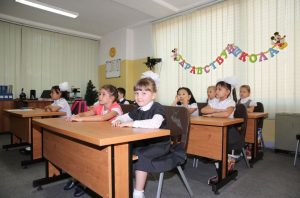
Because the school follows the Russian state programme, pupils sit the same assessments as children in Russia, overseen by the Russian education authorities, and certificates are recognised in Russia. This makes moving back to a Russian school, or on to a Russian university, much smoother than it would be from an international or Iranian school.
The academic year follows the Russian pattern, starting in early September and ending in late May, with short breaks in autumn and spring, a longer break over the New Year holidays, and a long summer holiday. Fees have historically been modest compared with Tehran’s English-language international schools, and discounts have been offered to the children of embassy staff, but they change, so ask for the current fee schedule when you apply.
Admission is arranged directly with the school. As the school sits within the embassy compound, the most reliable way to get in touch is through the Russian Embassy in Tehran. Ask which documents you need to provide, and about security procedures for drop-off and pick-up.
For other international schools in the city, browse our Parents & Kids section.