
Updated November 2026 We have refreshed this guide with current transport advice and removed shops and brands that have left the street.
Valiasr Street is Tehran’s most famous road and is often described as the longest street in West Asia. Lined with old plane trees, it runs for roughly 18 kilometres from Rah Ahan (Railway) Square in the south to Tajrish Square in the north, rising steadily towards the Alborz mountains and cutting the city into an eastern and a western half. Walking or riding even a short stretch of it is one of the best ways to understand how Tehran fits together.

A short history
The street was laid out in the 1920s on the orders of Reza Shah Pahlavi, linking the royal palaces of central Tehran with the summer residences in the cooler foothills of Shemiran. Construction ran from 1922 to 1927, and the road was asphalted by the early 1930s. Plane trees and open water channels were planted along its length from the start, and they are still its defining feature.
The name has changed with the times. For its first few decades it was Pahlavi Street. After the 1979 revolution it was briefly renamed after former prime minister Mohammad Mosaddegh, and then became Valiasr, a title of the twelfth Shia imam. You will still hear older Tehranis call it Pahlavi.
Valiasr is recognised as part of Iran’s urban heritage, and in 2019 it was placed on UNESCO’s tentative list of potential World Heritage sites, the first step towards a possible nomination. Its plane trees are a constant concern: their number has fallen sharply over the decades because of pollution, water shortages and construction, and protecting them comes up regularly in city debates.
Getting around Valiasr Street
Because the street is so long, few people walk the whole thing. The practical options are:
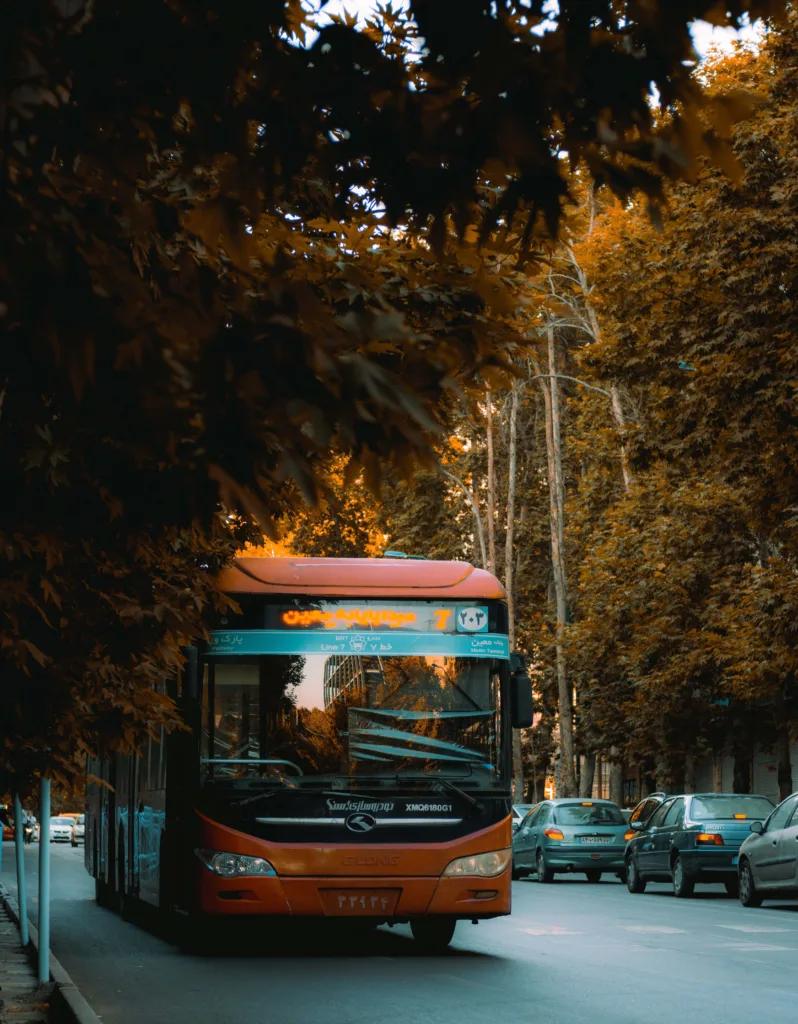
- BRT bus: Tehran’s BRT Line 7 runs the full length of Valiasr between the railway station area and Tajrish, with dozens of stops in dedicated lanes. It is usually the quickest way to travel along the street, and you can hop on and off as you please. As on other Tehran buses, there are separate sections for men and women. Pay with the city’s rechargeable transport card.
- Metro: Line 3 runs beneath much of Valiasr, which makes it easy to reach any section of the street from elsewhere in the city. Line 1 meets the northern end at Tajrish.
- Shared and private taxis: shared taxis run up and down most sections of the street and are cheap and frequent. Ride-hailing apps such as Snapp are handy too, but traffic can be heavy at almost any hour.
For current fares, see our Iran price trackers.
What to see along the way
Valiasr strings together many of the places visitors want to see. Highlights from south to north include:
- Rah Ahan Square and Tehran’s railway station, the southern starting point.
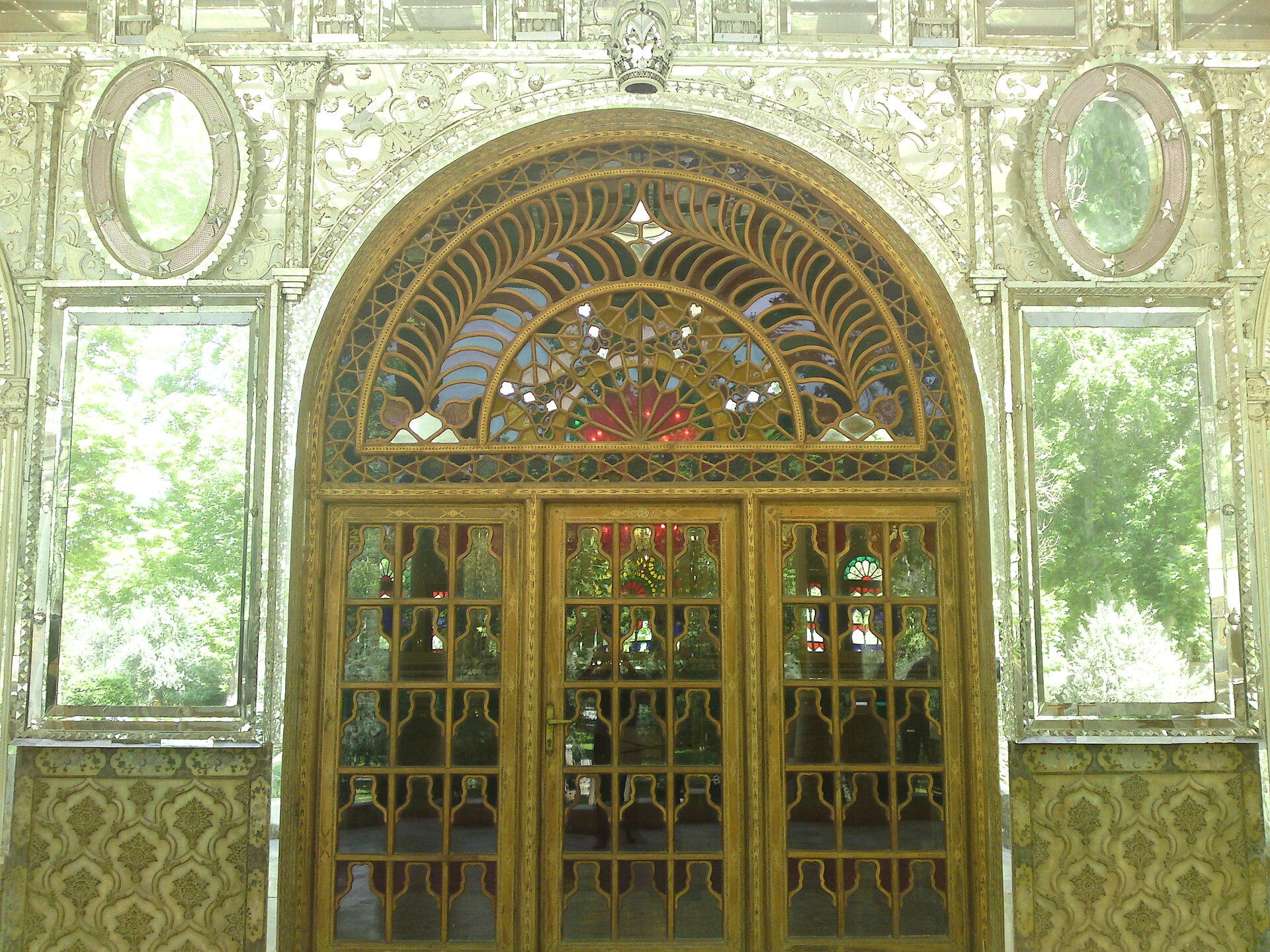
- The Marble Palace area near the southern section, close to where the street began as a royal route; read more in our piece on the Marble Palace.
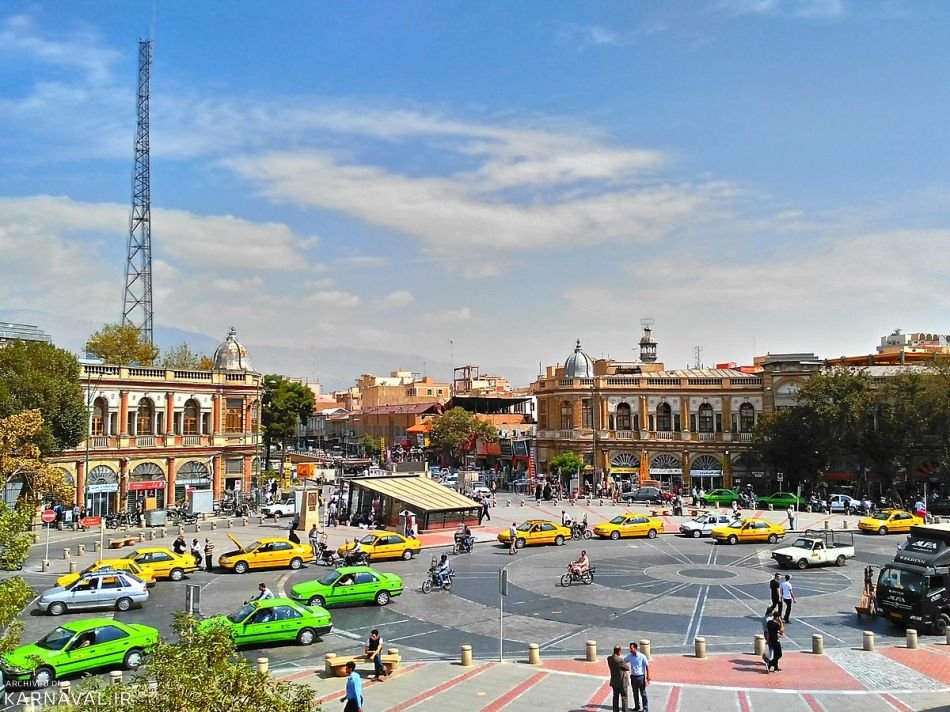
- Valiasr Square, a busy commercial crossroads with cinemas, shops and the Iran Academy of the Arts nearby.
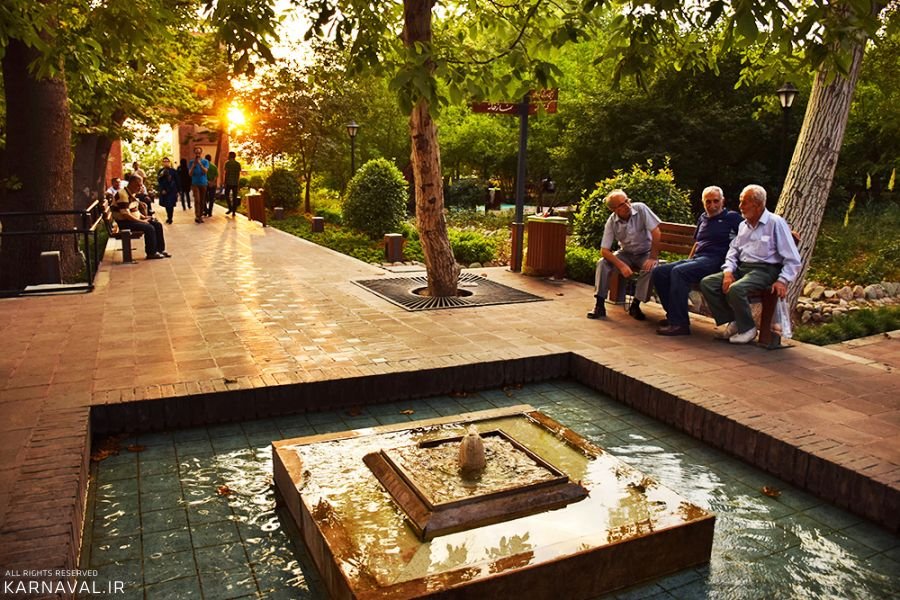
- Saei Park, an old wooded park popular for picnics and chess.
- Mellat Park, one of the city’s largest parks, near the Vanak area.
- Ferdows Garden, a Qajar-era mansion now home to the Cinema Museum, with a café in the garden, close to Tajrish.
- Tajrish Square, with its traditional bazaar and the Imamzadeh Saleh shrine, at the northern end.
Shopping, cafés and eating
Valiasr is one of Tehran’s main shopping streets, and the character of the shops changes as you head north. The southern stretches are full of smaller, cheaper stores, including sportswear shops, while the middle and northern sections have furniture showrooms, children’s shops, fashion boutiques and larger malls. Well-known shopping centres along or just off the street include Tandis Centre near Tajrish, Safavieh Mall and the Eskan shopping centre.
The side streets are where many of Tehran’s best cafés hide, especially around Valiasr Square, Abbasabad and the area between Vanak and Tajrish. Restaurants range from cheap kebab and sandwich shops to smart dining rooms near Mellat Park. Wander, look into side alleys and follow the crowds.

Tips for exploring
- Pick a section rather than trying to see everything: the stretch from Valiasr Square to Saei Park, or from Mellat Park up to Tajrish, makes a good half-day walk.
- Late afternoon and early evening are the most pleasant times, when the trees give shade and the cafés fill up.
- Autumn is the most beautiful season, when the plane trees turn gold.
- For more ideas on the street’s highlights, see our Spotlight Destination: Valiasr Street.