Updated November 2026 We have rechecked the museum’s history and collection and simplified the directions; opening times at smaller state museums change often, so check before you go.
The National Art Museum in Tehran (Muzeh-ye Honarha-ye Melli) is one of the city’s oldest museums and one of its least visited. Tucked away near Baharestan Square in downtown Tehran, it is a small Qajar-era building devoted to Iranian traditional arts of the last two centuries: miniature painting, carpet design, inlay, woodwork, tilework and metalwork. If you have already seen the big hitters such as the National Museum and Golestan Palace, it is a rewarding hour for anyone interested in Persian craft.
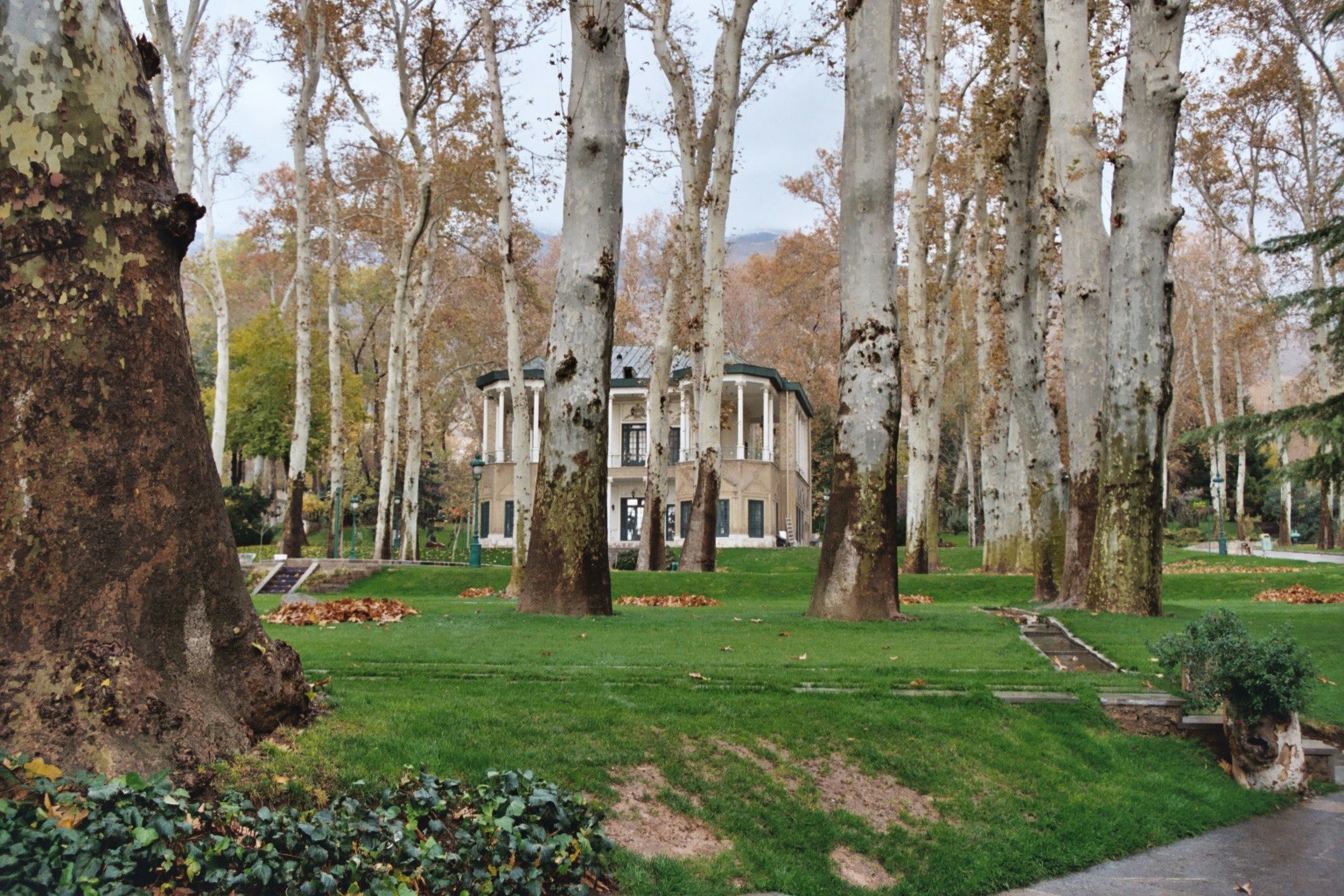
The building was once part of the Negarestan Garden, a royal garden and palace complex laid out in the early 19th century, and the museum takes its setting from that history. It was converted into a museum in 1930, several years before the National Museum of Iran opened its doors in 1937, which makes it one of the earliest public museums in the capital.

The conversion was overseen by Hossein Taherzadeh Behzad (1889–1962), a Tabriz-born miniaturist, calligrapher and carpet designer who trained in Istanbul and Tbilisi. Behzad was a central figure in the early 20th-century revival of Persian painting. He developed what became known as a national decorative style for the palaces of the period, and he helped establish Persian miniature as an art in its own right rather than only as book illustration. Tehran Auction also credits him with moving Persian painting away from the traditional vertical composition towards a horizontal one.

Inside, the collection numbers around 270 works, all by Iranian artists of the past two hundred years. Expect Persian miniatures and illuminated panels, carpet designs, khatam-kari (fine geometric inlay), marquetry, wood carving and fretwork, ceramics and tile tableaux, zari (gold thread) work and delicate silver and gold filigree. One of the better-known pieces is a statue of a flute player by Abol Hassan Khan Sediqi, a pupil of the painter Kamal-ol-Molk.
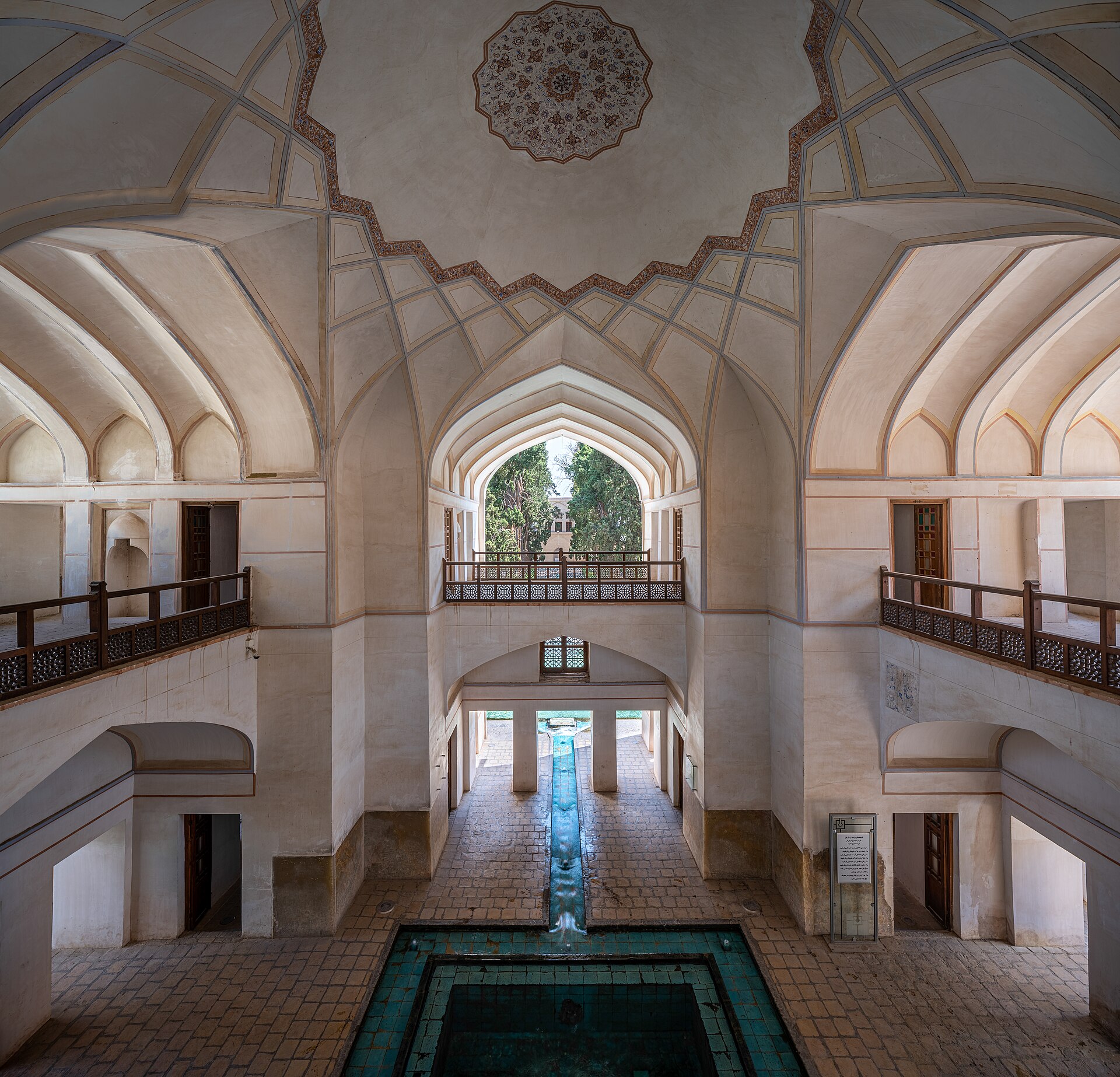
The building is worth a look in its own right. It is laid out in a cross shape beneath a blue dome resting on stone columns, with a tiled façade, a large wooden door set with glass panes and carved woodwork made by artists who worked for the museum. A round marble pool once sat at its centre, fed by water running from the columns; it disappeared decades ago, and wings in matching style were later added to the north and south to give more display space.
This is a quiet museum, so you will often have rooms to yourself, and staff are usually happy to talk about the pieces if you show interest. Allow about an hour. Photography rules vary at Iranian state museums, so ask at the entrance before taking pictures.
The easiest way to get there is by metro. Take Line 2 to Baharestan station, beside the old parliament buildings on Baharestan Square; the museum is a short walk away. It is easy to walk past, so ask a shopkeeper or use a map app such as Neshan or Balad to find the entrance. Combine it with a visit to the nearby Negarestan Garden or a wander through the old streets towards the Grand Bazaar. Opening hours and ticket prices are not posted online in English, so check locally before you make a special trip; for a sense of typical museum entry costs, see our Iran prices tracker.
If you enjoy Iranian craft, you may also like Tehran’s ceramic museum, and our parks and museums section has more ideas for a day of sightseeing in the city.