Updated November 2026 Several palaces in the Sa’dabad complex were damaged in March 2026, so check which museums are open before you make the trip.
The Royal Weapons Museum in Tehran, often listed as the Military Museum, sits inside the Sa’dabad Cultural and Historical Complex in the far north of the city, between Zafaranieh and Darband. It holds around 110 types of firearms and blades from the Qajar and Pahlavi eras, from battlefield rifles to ornate ceremonial pieces, and you can see it properly in about an hour. If you are already spending a morning at Sa’dabad, it is an easy add-on.

Before you go
On 17 March 2026, shockwaves from airstrikes nearby damaged multiple palaces in the complex, according to Wikipedia’s entry on Sa’dabad, and the Tehran Times reported that 15 palace museums needed stabilisation and repair work afterwards. Reports have not singled out the weapons museum, but individual buildings can be closed while others stay open. Ask at the ticket office which museums are open that day, or have a Persian-speaking friend phone ahead.
The building
The museum is housed in a modest palace that once belonged to Gholamreza Pahlavi, a half-brother of Mohammad Reza Shah. Like most of the residences in Sa’dabad, it is less a grand palace than a comfortable villa set among plane trees. The scale works in its favour: the rooms are small enough that the display never feels overwhelming.
What you will see
The collection falls into three broad groups: military weapons, hunting guns, and decorative arms made for display or ceremony rather than use.
- The oldest piece is a 17th-century matchlock rifle made in India. Two similar rifles are kept downstairs in the basement, along with gunpowder pellets and a drum.
- Hunting rifles from well-known European and American makers, including Brno, Winchester, Remington and Springfield. Many arrived as diplomatic gifts to the last Shah from foreign heads of state, which tells you a lot about how royal hunting worked as a tool of diplomacy.
- Ceremonial arms such as inlaid swords, daggers and engraved firearms, where the craftsmanship matters more than the mechanism.
- Photographs of courtiers in a separate section, which give faces to the era the objects come from.

Labelling is mainly in Persian with limited English, so it helps to go with someone who reads Persian, or to photograph labels and run them through a translation app.
About the Sa’dabad complex
Sa’dabad covers around 110 hectares of wooded grounds at the foot of the Alborz mountains. The Qajars first used the area as a summer retreat, and the Pahlavis built it up into the royal family’s main summer residence. Today it contains around 18 palaces and mansions in a mix of Iranian and European styles, many of them converted into museums on royal life, fine art, clothing and military history.
Your entry ticket covers the grounds, and most individual museums charge a separate fee, with higher prices for foreign visitors. Prices change often, so check our Iran prices pages for a sense of current costs. If you want to pair the weapons museum with something gentler, the Tehran Museum of Fine Arts is in the same complex.

Getting there
The museum is inside Sa’dabad, off Valiasr Street in Zafaranieh. The main entrance is at the start of Shahid Kamal Taheri Street, off Shahid Fallahi (Zafaranieh) Street.
- By metro: take Line 1 to Tajrish, the northern terminus. From Tajrish Square, a short taxi ride or a 15–20 minute uphill walk takes you to the main gate.
- By taxi or car: ask for Sa’dabad and the driver will know it. Ride-hailing apps work well here; with your own car, approach via Kamal Taheri Street, though parking near the gate fills up at weekends.
Visiting the Royal Weapons Museum: at a glance
- Opening hours: Saturday to Friday: 09:00 to 17:00
- Time needed: 30 minutes to 1 hours
- Phone: +98 21 27940452, +98 21 22752031-9
- Address in Persian (show this to your driver): تهران، میدان تجریش، خیابان شهید جعفری، ضلع جنوبی میدان دربند، مجموعه فرهنگی تاریخی سعدآباد
- Open the Royal Weapons Museum in Google Maps
Hours can change on public holidays and during Ramadan, so check before you set out.
The Royal Weapons Museum in pictures
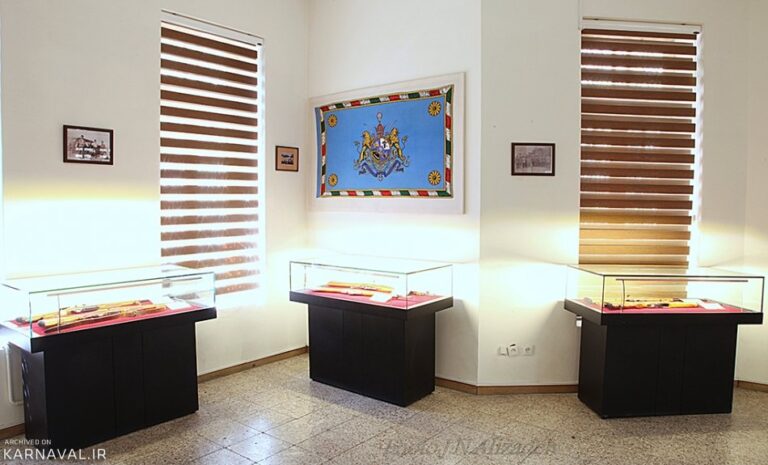
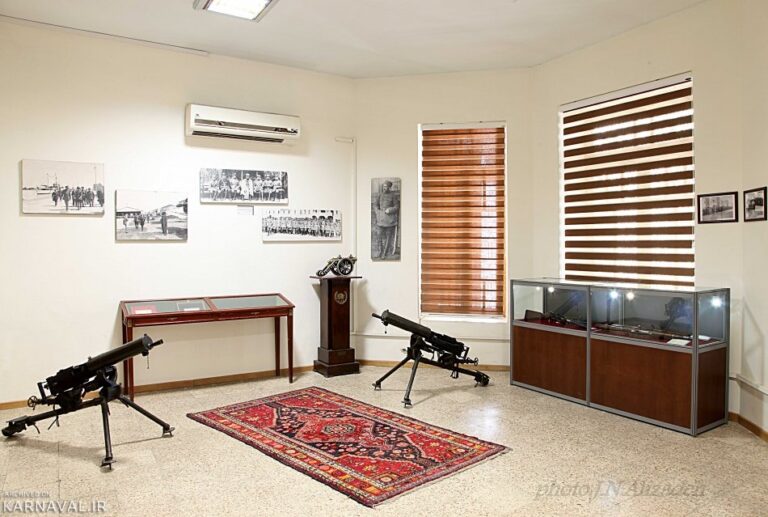
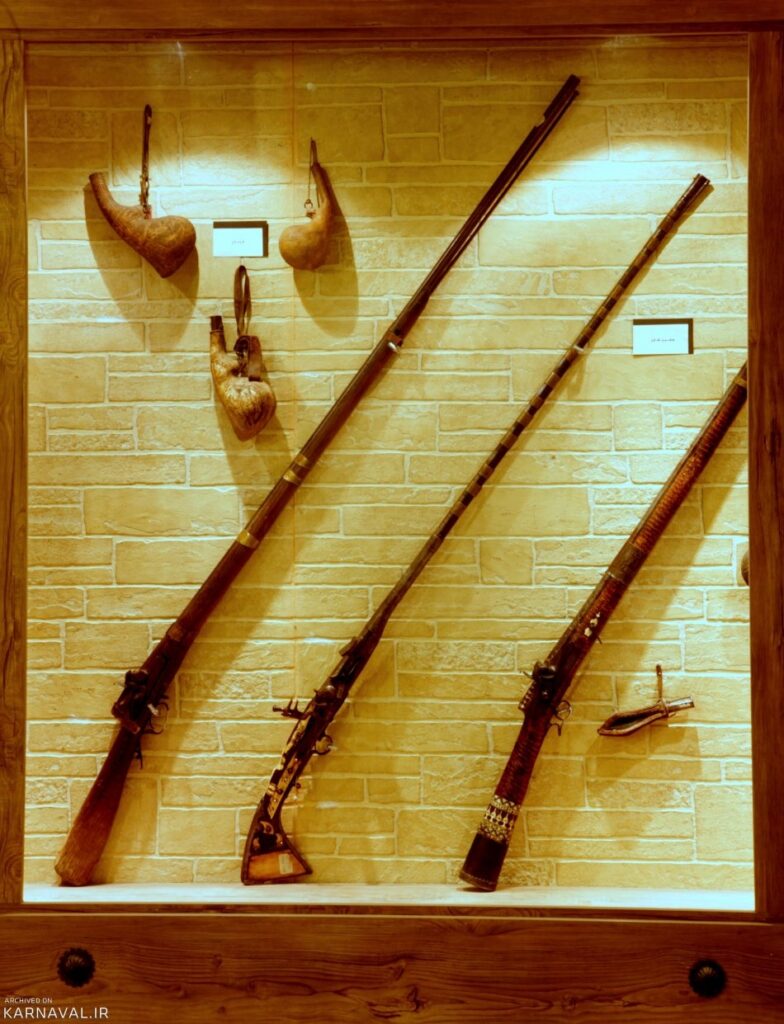
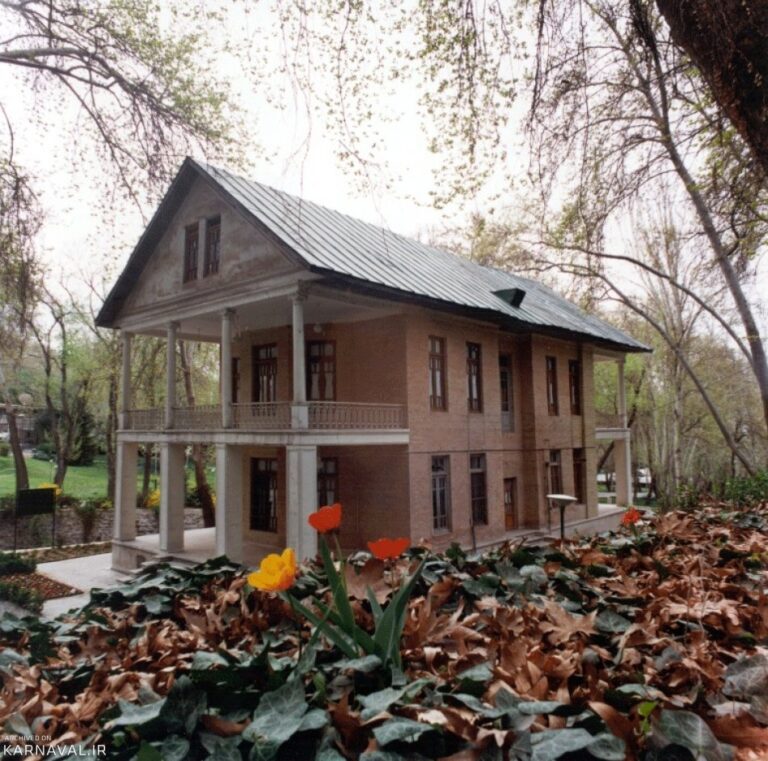
The grounds are large and the weapons museum is one of many buildings, so pick up a map at the entrance or ask staff for the Military Museum (Muzeh-ye Nezami). Go on a weekday morning for the quietest visit, and combine it with lunch in Tajrish or a walk up to Darband afterwards.