This page contains affiliate links. If you book through them, LiT may earn a small commission at no extra cost to you. Read our disclosure.
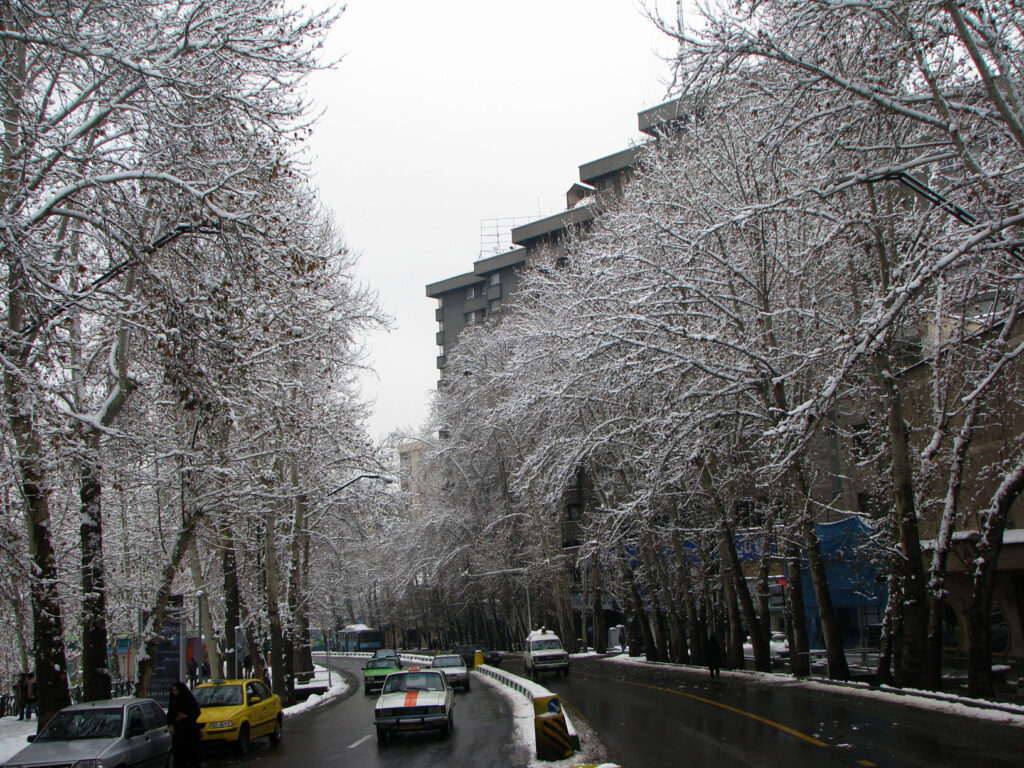
Winter in Tehran surprises people who think of Iran as a desert country. The city sits at 1,200 to 1,800 metres, it snows a few times most winters, and the mountains on its northern edge are white from December to April. That means skiing within an hour of the city centre, snowball fights in the parks and steaming bowls of ash and haleem from street stalls. It also means smog, so it pays to plan your days. Here is how to make the most of the season.
Before you go: several of Tehran’s major museums have had long closures since the conflicts of 2025 and 2026. At the time of writing, Golestan Palace is closed while war damage is repaired and the main galleries of the National Museum of Iran are shut until further notice. Opening times can change at short notice, so check before you set out.
Skiing this winter? Beds below the Dizin slopes from Hostelworld: Seven Hostel and Joyja Hostel. Partner links.
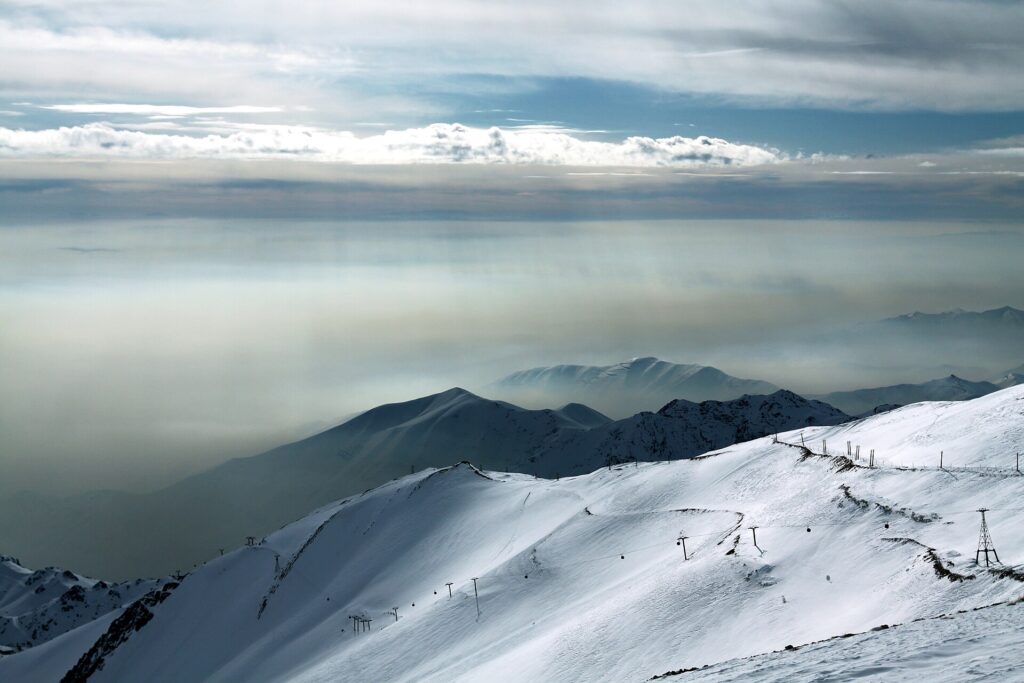
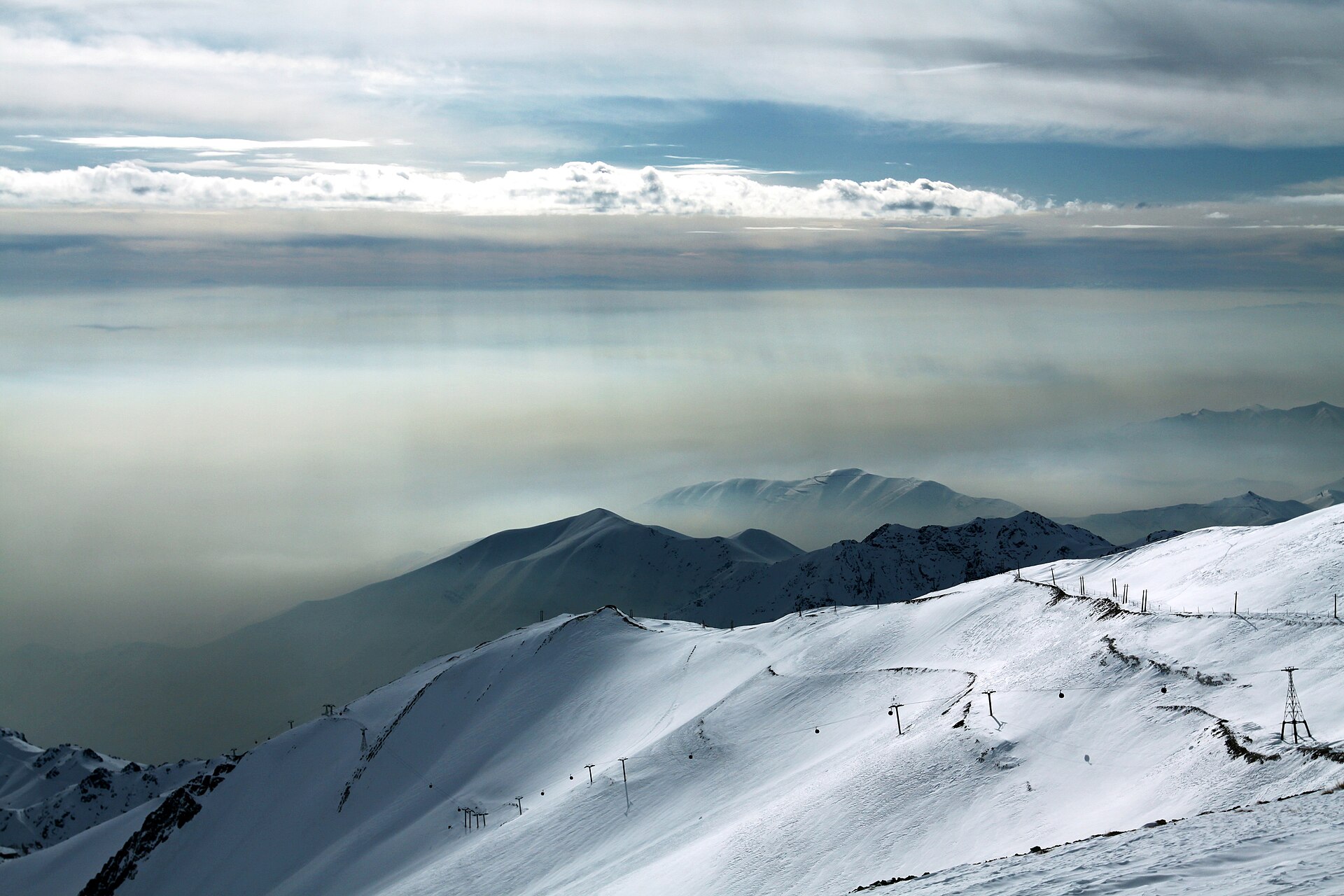
Ski at Tochal. The ski slope at Station 7 of the Tochal gondola, at around 3,700 metres, is the closest piste to any capital in the world. It usually opens in December and, because of its height, stays open longer than any other resort near Tehran. The gondola starts in Velenjak at the top of the city. Ski schools and equipment hire are on site. Our Tochal reopening news has the latest for this season.
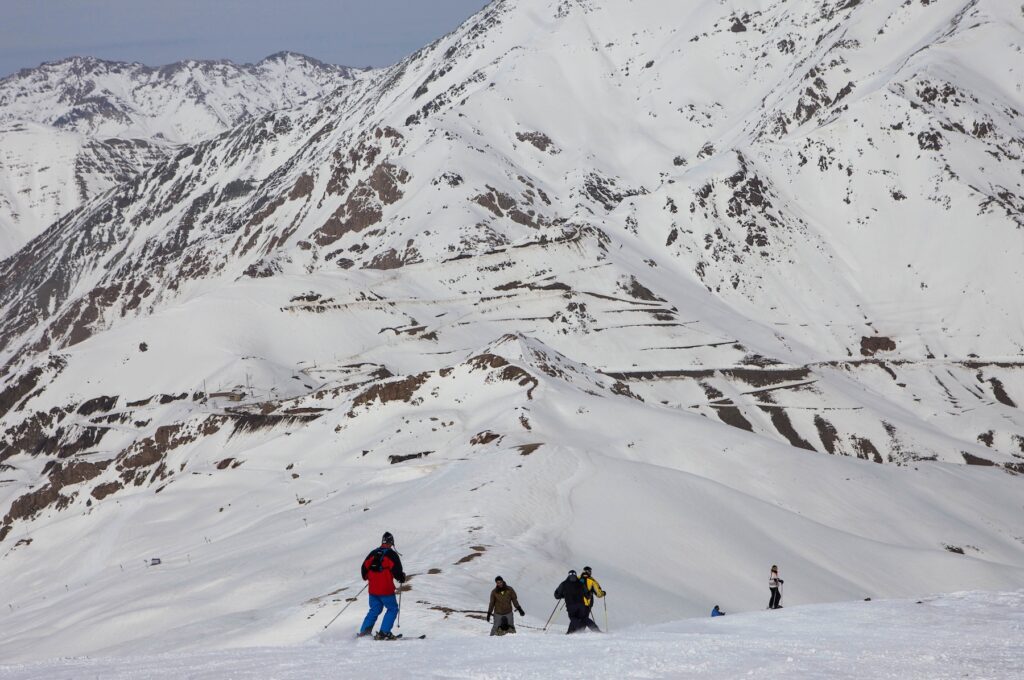
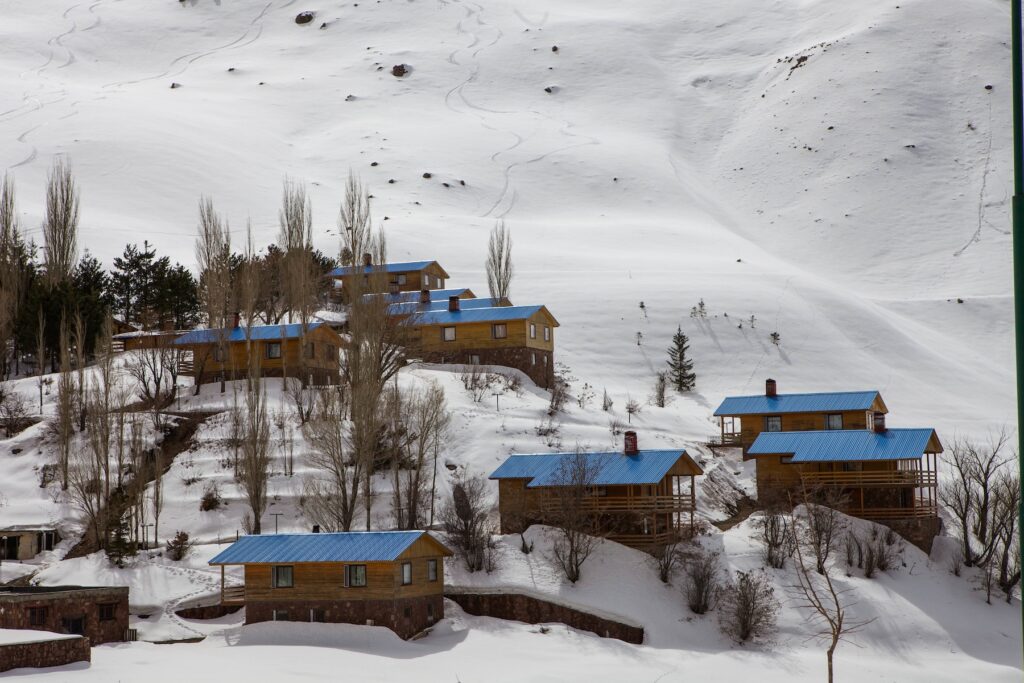
Ski at Dizin and Shemshak. Dizin is Iran’s biggest resort, with long runs and reliable snow from December to March. It sits over the mountains via the Chalus road, two to three hours from the city in winter. Shemshak is smaller and steeper, about an hour from north Tehran, and popular with experienced skiers. Darbandsar sits nearby. Lift passes cost a fraction of European prices. See our guide to skiing, sledging and snowboarding near Tehran and our ranking of the five best ski resorts around Tehran.
Stay at Dizin · Partner links
Sleep below the slopes and ski first thing
Velayat Rud, the village below Dizin, has two hostels that take bookings on Hostelworld. Both run transfers up to the lifts.
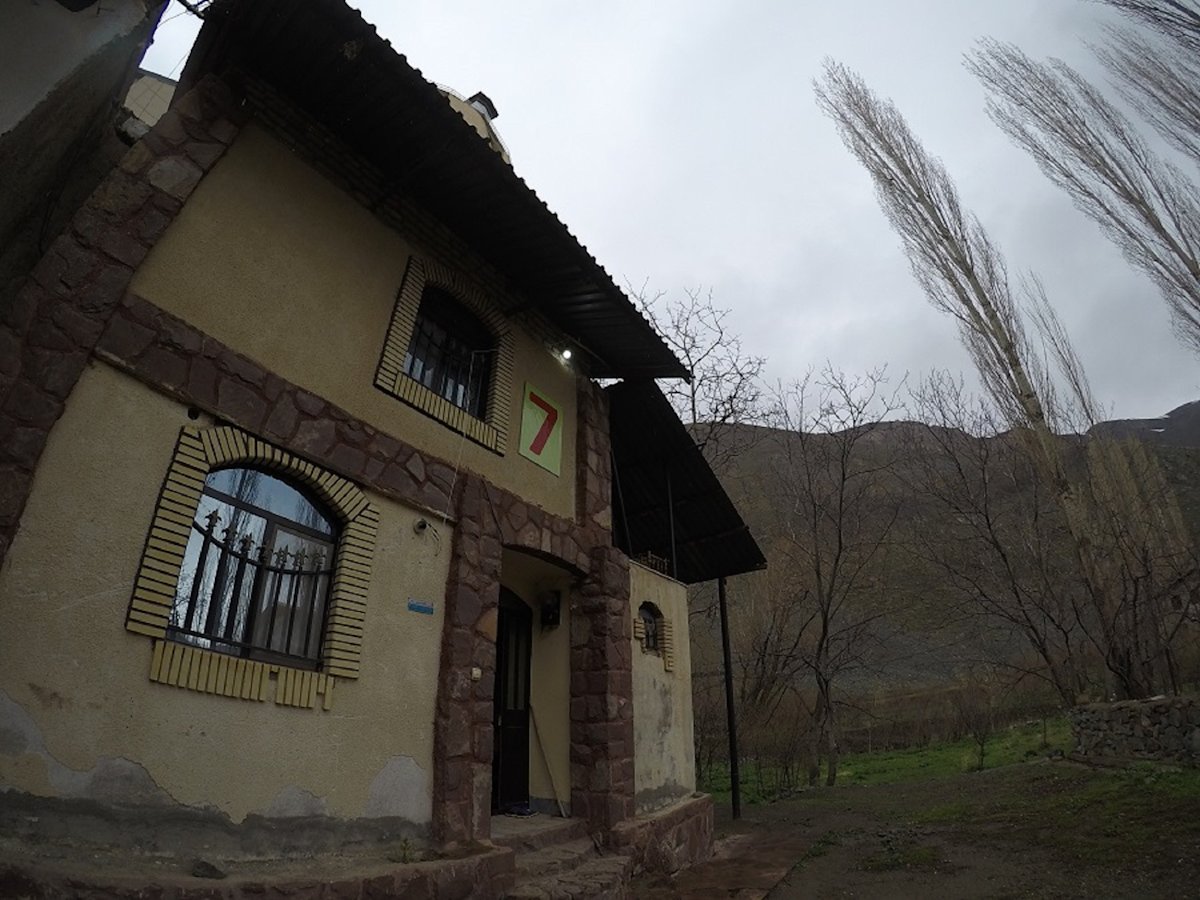
Seven Hostel in Dizin
A chalet-style hostel about 5 kilometres from the resort. Rates include breakfast and transfers to the slopes.
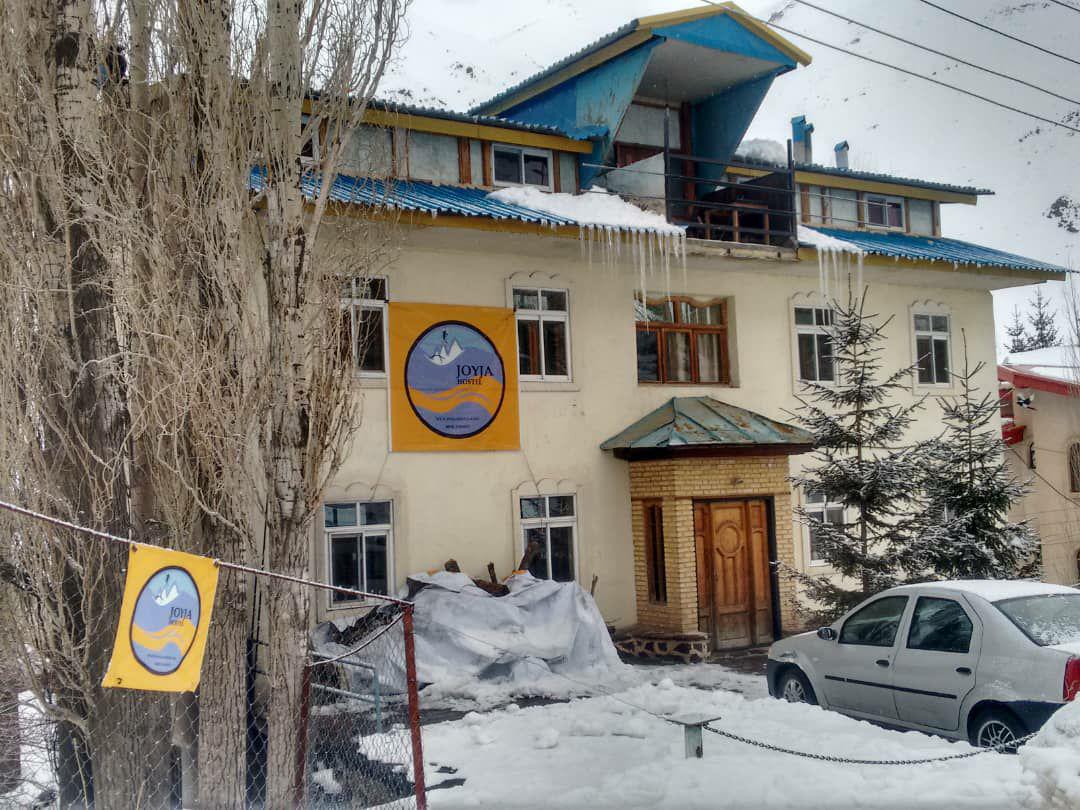
Joyja Hostel
Dorm beds and private rooms, with free breakfast and dinner and a morning shuttle to the ski area.
LiT may earn a commission if you book. Read our disclosure.
If you would rather stay in the city, central hostels on Hostelworld include Tehran Heritage Hostel and RooBeRoo Hostel. Firouzeh Hostel is run by the Heritage team. For a little more comfort, Razzaz Boutique Hotel is set in a restored downtown house. Hanna Boutique Hotel and Tehran Mehr Hotel also take bookings there. Our Tehran hotels guide covers the larger hotels.
Sledge and play in the snow. You do not have to ski to enjoy the snow. Bam-e Tehran at the top of Velenjak, the parks of north Tehran and the slopes around Tochal’s lower stations are full of families sledging and building snowmen after a fall. Dress warmly and wear boots with grip.
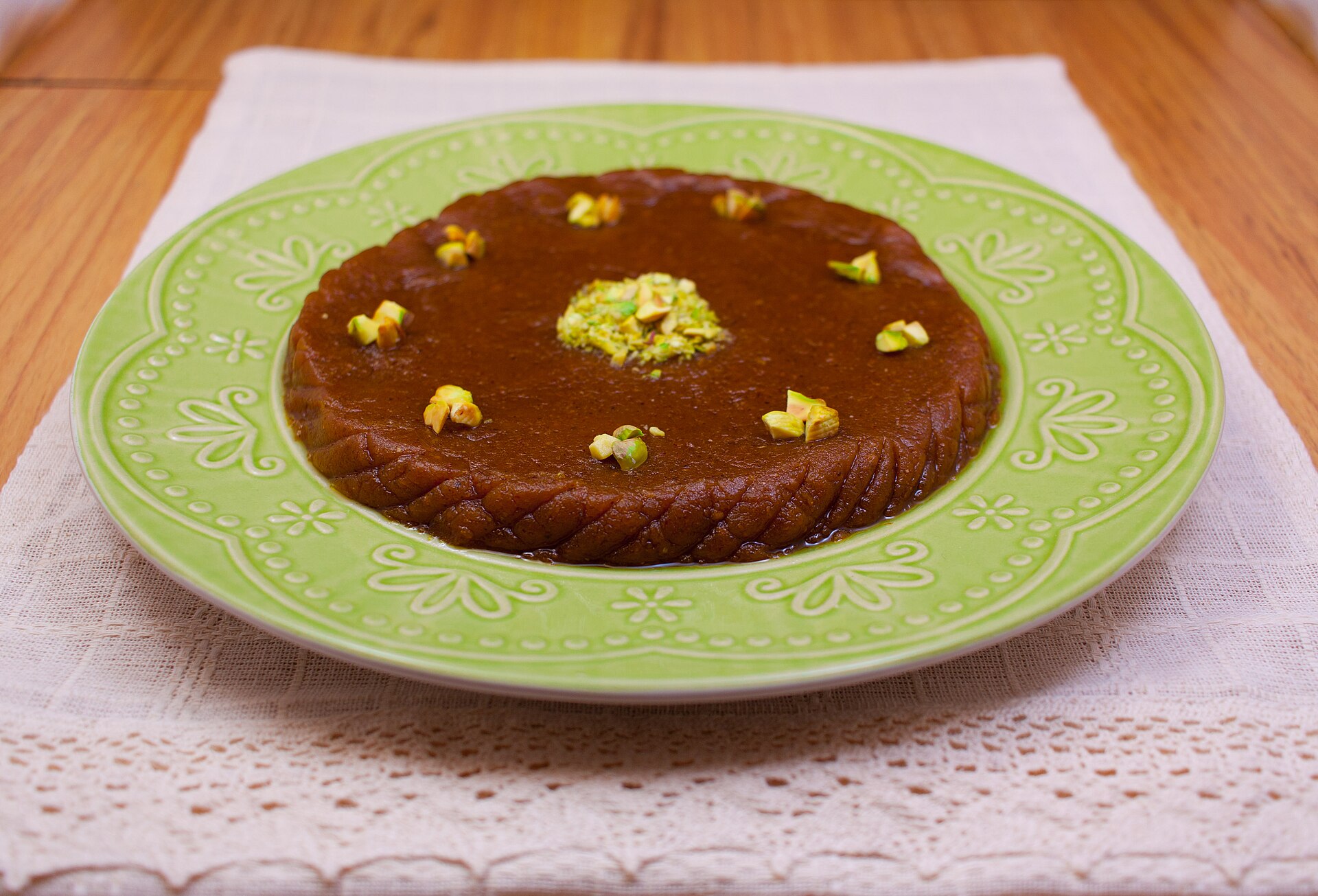
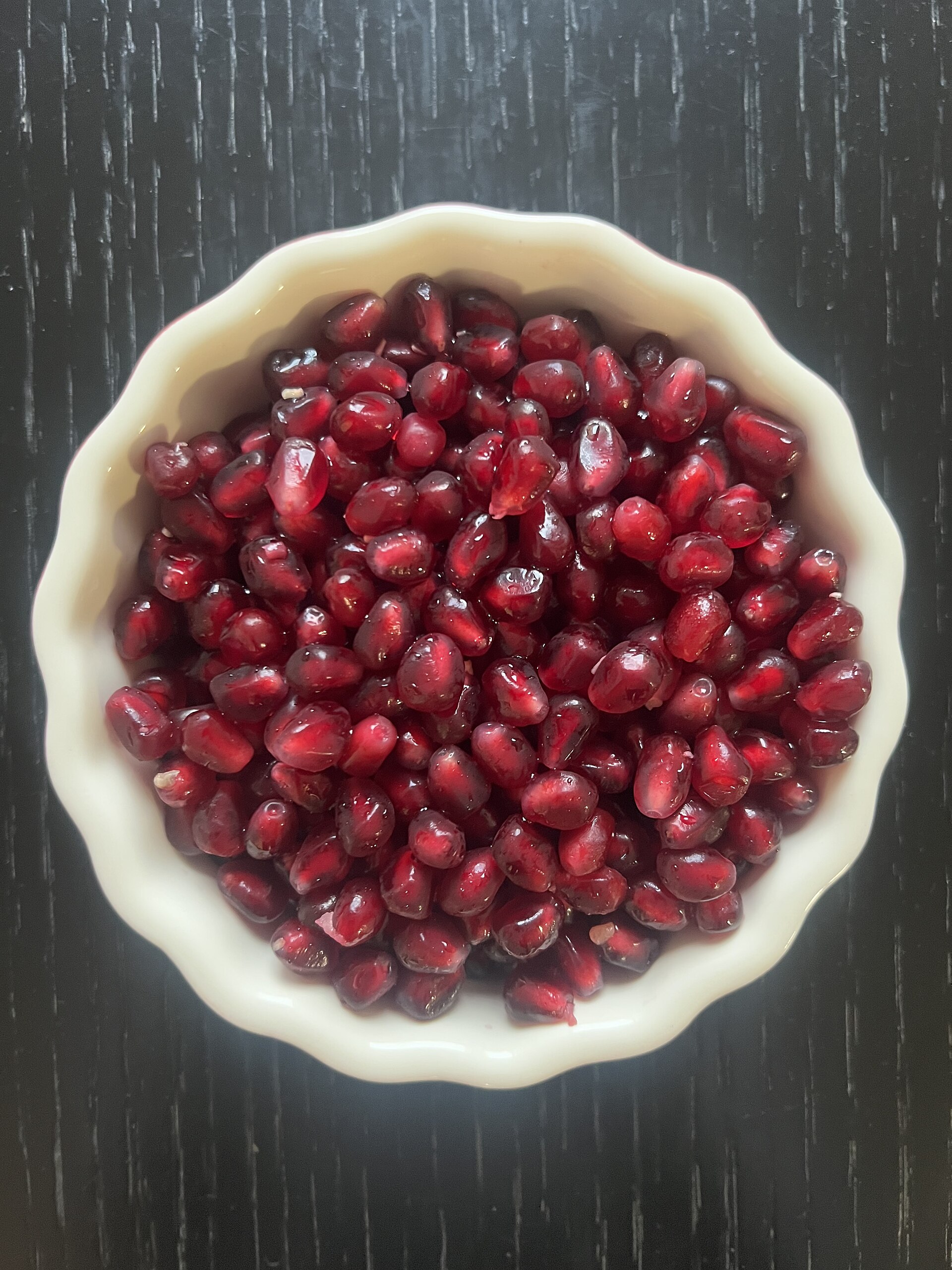
Celebrate Yalda Night. On the longest night of the year, around 21 December, Iranian families gather to eat pomegranates, watermelon and nuts, read the poetry of Hafez and stay up until dawn. Shops and bakeries are full of Yalda sweets, and many cafés and restaurants hold special evenings. Our Yalda Night guide explains the traditions.
Head indoors to museums and palaces. Cold or smoggy days are perfect for Tehran’s museums. Golestan Palace, the National Museum, the Glassware and Ceramic Museum and the Contemporary Art Museum are all warm and rarely crowded in winter. Browse our museums and palaces guide.
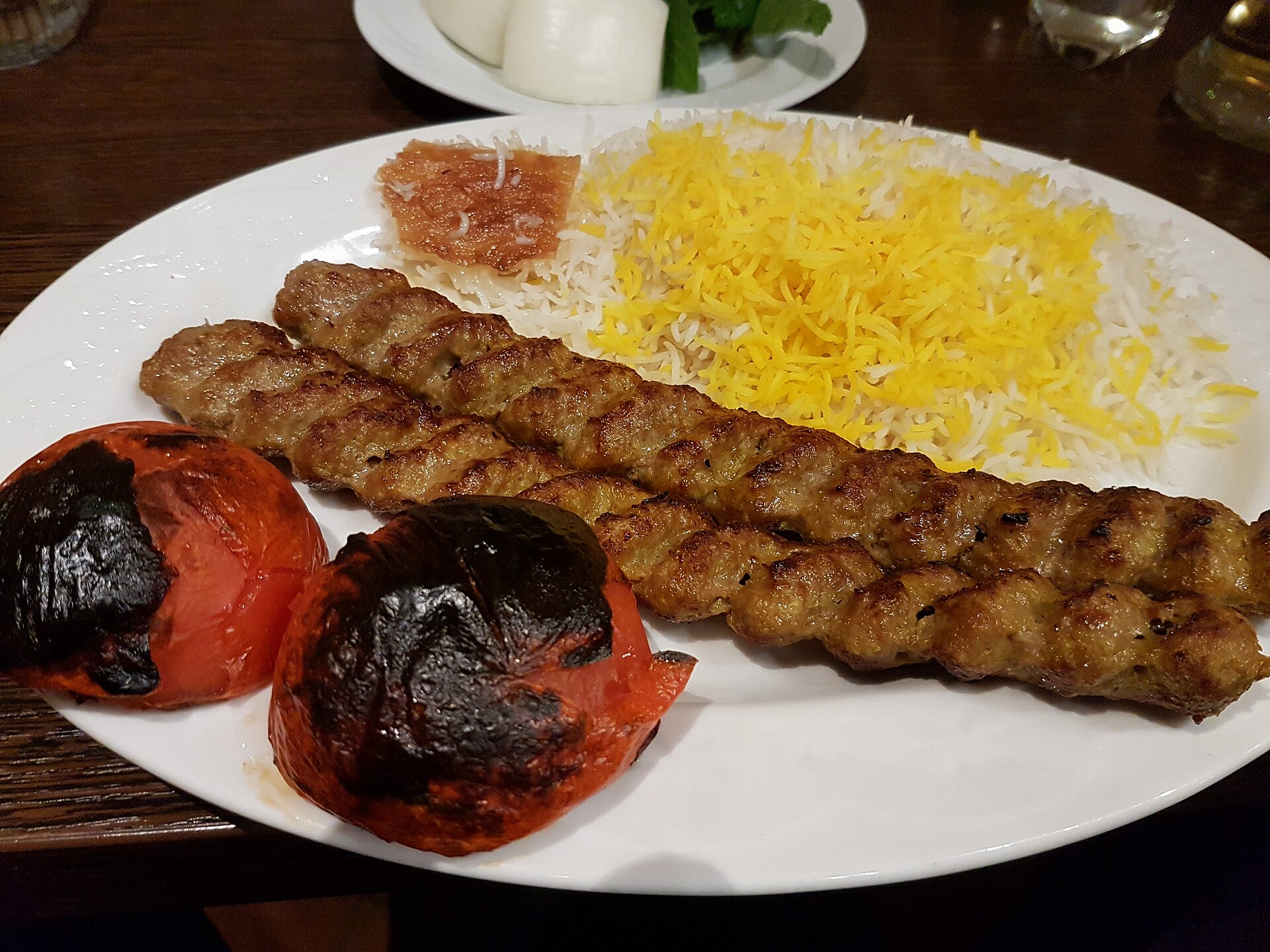
Eat winter food. Winter is the season for hearty food: haleem (a wheat and meat porridge) for breakfast, ash reshteh (a thick noodle and herb soup), steaming beetroot and broad beans from street carts, and hot sahlab drinks. Look for queues outside haleem shops early in the morning.
Walk in the snowy mountains. Experienced hikers keep going all winter on the trails from Darband and Darakeh, but conditions change fast. Join a hiking club or go with a guide, wear crampons when the paths ice up, and never go alone in bad weather. See our guide to Tehran’s peaks.
Watch out for smog. On cold, still days, a temperature inversion traps pollution over the city, and schools and offices sometimes close. Check the air quality index each morning, plan indoor days or trips into the mountains when the numbers are high, and consider a good mask. Our guide to Tehran’s smog has practical advice.
Practical tips. Daytime temperatures in the city hover around 5 to 10°C, falling below freezing at night, and much colder in the mountains. Roads to the ski resorts can close in heavy snow, and chains are sometimes required, so check before you set out. Pack layers, a hat and gloves, and boots that can handle slush.