Updated November 2026 EMS studios are now an established, if niche, part of Tehran’s fitness scene; we have rewritten this guide to explain how EMS training works, what to look for in a studio and the safety points to know.
EMS body training in Tehran has moved from novelty to a regular option in the city’s northern fitness studios. EMS, short for electrical muscle stimulation, uses a suit or vest fitted with electrodes that send mild electrical pulses into your muscles while you do simple exercises with a trainer. Inshape Body Studios was one of the first places in Tehran to offer it, using a European wireless system, and a handful of other studios have since followed.
How an EMS session works
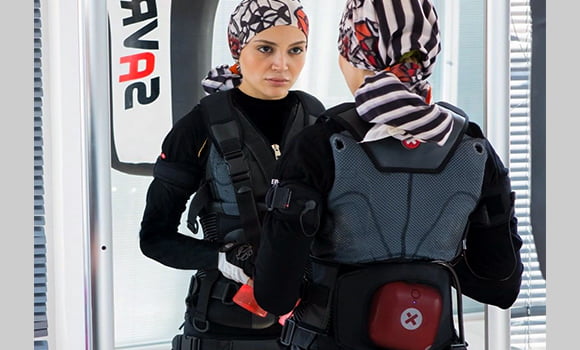
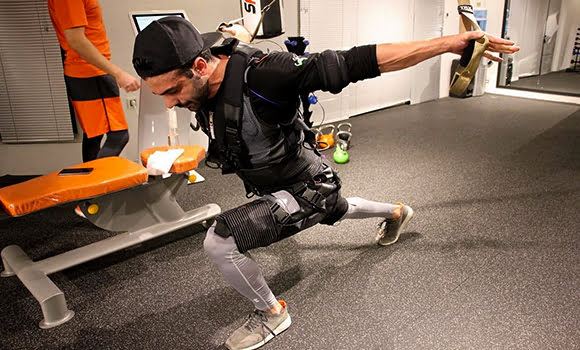
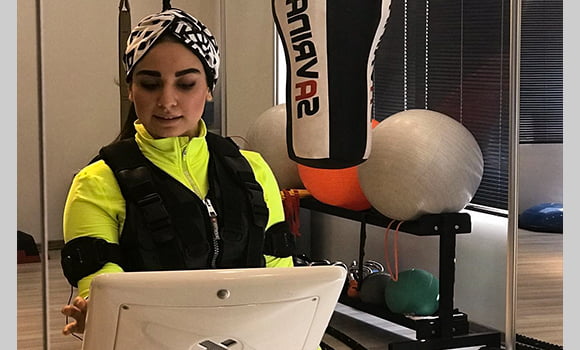
You change into thin training clothes and the trainer fits a vest, belts and arm and leg cuffs that hold the electrodes against the main muscle groups: chest, back, abdomen, glutes, thighs and arms. The pads are usually dampened so the current passes evenly. A wireless control unit lets the trainer set the intensity for each area separately.
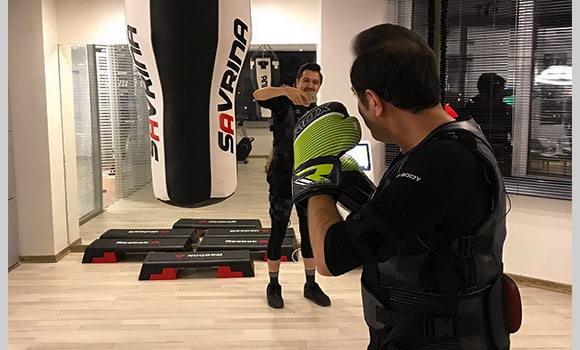
The session itself is short, often around 20 minutes. The trainer talks you through squats, lunges, arm movements and core exercises while the pulses make the muscles contract harder than they would on their own. Programmes are adjusted to your goal, whether that is general strength, body shaping, endurance or work on specific muscles. Because the stimulation reaches deeper muscle fibres as well as the surface ones, sessions feel surprisingly tiring for how little you appear to be doing.
Is EMS new, and does it work?
Electrical stimulation itself is not new. Physiotherapists have used it for decades in rehabilitation, and athletes have used it alongside normal training. What changed in the past 15 years or so is “whole-body” EMS sold to the general public through boutique studios, first in Germany and then across Europe, the Gulf and Iran.
Research suggests it can help build strength and muscle, and it is low impact on the joints, which appeals to people with limited time or those returning from injury. It is best seen as a supplement to ordinary exercise rather than a shortcut. Be wary of any studio that promises dramatic results with no other changes to your diet or activity.
Safety: what to know before you book
German sports scientists who have studied whole-body EMS describe it as very safe when properly applied, but they flag specific risks. The main one is excessive intensity for beginners, which in rare cases has caused rhabdomyolysis, a serious breakdown of muscle tissue. Stimulating large muscle areas at once at very high intensity raises that risk. Their consensus recommendations, published in Frontiers in Sports and Active Living, also list conditions where a doctor should assess you first.
- Tell the trainer about any heart condition, pacemaker or implanted device, epilepsy, pregnancy, recent surgery, cancer or other serious illness, and check with your doctor before starting.
- Start at low intensity. A good trainer will build up slowly over the first few sessions rather than pushing you hard on day one.
- Leave several days between sessions, especially at first, and drink plenty of water.
- Stop and seek medical advice if you have unusually severe muscle pain or dark urine in the days after a session.
- Choose a studio where one trainer works with you, or a very small group, rather than many clients at once.
Finding an EMS studio in Tehran
EMS studios tend to be small, appointment-only spaces rather than big gyms. The simplest way to find a current one is to search for “EMS” in a local map app such as Balad or Neshan, then check the studio’s Instagram page for recent posts, trainers’ qualifications and booking details. Ask whether a trial session is available, whether the trainer speaks English, and whether women-only hours are offered if that matters to you.
EMS is priced as a premium service, usually sold in packages of sessions, and prices rise regularly with inflation. Compare a few studios and see our Iran price trackers for a sense of current costs in Tehran.
Got a question this guide didn’t answer?
Ask people who live in Tehran, or have just moved there, in Moving to Tehran. Club members can also put questions straight to the LiT team in Ask LiT.